
The UKSG Annual Conference is a major event in the scholarly communications calendar which attracts delegates each year from around the world – librarians, publishers, content providers, consultants and intermediaries. The conference combines high-quality plenary presentations, lightning talks, workshops, posters and breakout sessions with entertaining social events and trade exhibition.
When
Monday, March 30, 2026 – 08:00 BST
to
Wednesday, April 1, 2026 – 13:30 BST
Where
Scottish Event Campus (SEC)
Glasgow
G3 8YW, United Kingdom
Venue Photos




















About the Event
Registration
Registration is NOW CLOSED. Please note that there are no on-site registrations again this year.
We look forward to welcoming everyone to Glasgow!
Programme
Please scroll down for the latest programme information.
Details of additional events hosted by our exhibitors and sponsors are available here
Sponsorship Opportunities
Content Online are handling the sponsorship again this year – please contact Albert Morian albert@contentonline.com or sign up to our mailing list here. You can view the sponsorship brochure here.
Exhibition
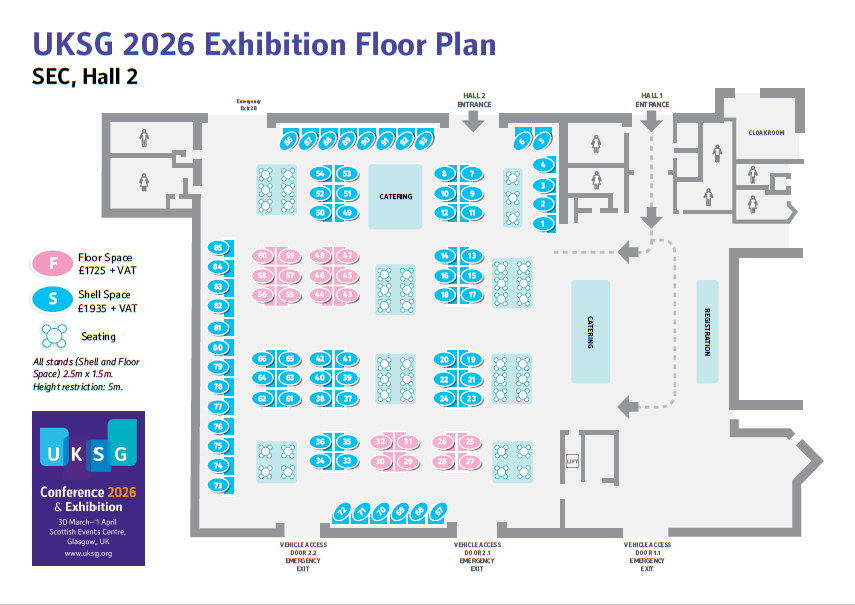
Accommodation
Accommodation is not covered by the delegate fee. The official online accommodation bookings service is now open – click here to view and book a range of hotels. Accommodation is sold on a first come, first served basis and will be available until 13th March, however we recommend securing your accommodation as soon as possible.
The Glasgow Convention bureau also provide a booklet containing special delegate offers and discounts for a variety of local tours and restaurants – this can be found here

Travel to Glasgow
More information on how to get to the SEC can be found here
ScotRail offer a special discounted train ticket for delegates travelling between the city centre and the SEC by train. The Conference Rover costs just £5 for up to 5 days’ travel. More information.
The Glasgow Convention bureau also provide a booklet containing special delegate offers and discounts for a variety of local tours and restaurants – this can be found here
23/03/26 – All platforms to reopen at Glasgow Central on Wednesday 25 March, more information can be found at https://www.networkrailmediacentre.co.uk/news/all-platforms-to-reopen-at-glasgow-central-on-wednesday-25-march
Your access needs
We’re committed to running accessible training and events. We want you to feel welcome, included, and able to fully engage in our sessions.
To help us, please share any access needs you have when prompted by our booking form. We may be in touch to ensure we’re making the right adjustments.
We plan to have a quiet room (no meetings or calls please), more details will follow nearer the time of the event.
From information is available from the Accessible Travel Hub providing information and resources about accessible travel in Scotland – click here
Further information on access facilities for the city of Glasgow can be found here.
If you have any more questions or need more information please do not hesitate to contact events (at) uksg.org.
Conference App
The conference app will be available nearer the conference, all registered delegates will receive and email with details on how to download the app. More details on the event app can be found here.
The app includes information on:
- sessions and speakers (build your own programme)
- delegates lists
- sponsors and exhibitors
- maps
- take part in ‘The Passport Game’ with a chance to win £100 in vouchers
- additional information/logistics
- polls, Q&A, session chat
- community/networking pages including ice breaking area’s.
John Merriman Award/Sponsored Places
John Merriman Award: Opportunity to win a fully funded trip to the UKSG Annual Conference, the NASIG Annual Conference and free access to any UKSG 2026 event! More details can be found here
The John Merriman award is supported by the generous sponsorship of Taylor & Francis Group


With thanks to our sponsors
Platinum Sponsors

Gold Sponsors
More details on sponsors can be found here
Programme
- Monday 30 March
- Tuesday 31 March
- Wednesday 1 April
- Breakout sessions
- Workshops
Time
Programme
Speakers
08.00
Registration opens alongside refreshments and exhibition viewing
10.00
Opening of the Conference
followed by a welcome from the Glasgow Lord Provost Office

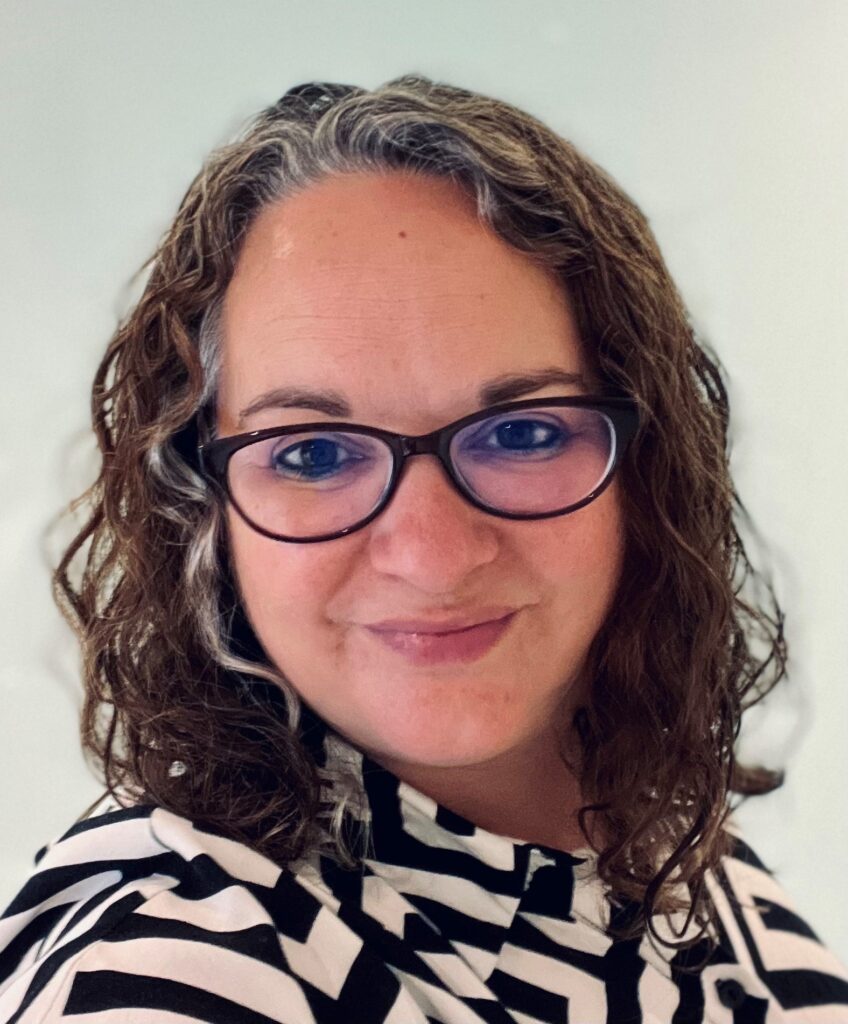
Charlie Rapple
Kudos/Chair of UKSG
See Biography
Charlie Rapple is co-founder of Kudos, which works with researchers, funders, publishers and universities to ensure research is more widely found, understood, used and cited. With a background in scholarly publishing technology and marketing, she is passionate about ensuring research is more effectively communicated. She is currently serving as Chair of UKSG, having previously served as Vice Chair, Treasurer, Chair of the Marketing Subcommittee, and co-founder of KBART. She is a member of the Editorial Board for UKSG Insights, a blogger in the Scholarly Kitchen and a Fellow of the UN’s SDG Publishers Compact. Charlie has a BA in the History of Art and Architecture from the University of Bristol, and a postgraduate MDip from the Chartered Institute of Marketing.
10.20
Plenary 1
Achieving sustainable, widespread adoption of Open Access for books – Andrew Barker, Tom Morley
This plenary will pay tribute to the work of the late Elaine Sykes, Head of Open Research at Lancaster University, whose commitment to equitable publishing leaves an enduring legacy. Achieving sustainable, widespread adoption of Open Access for books requires urgent, systemic collaboration and cultural shift within institutions. At Lancaster University we have recognized the need to be more strategic in our approach to funding alternative publishing models and to effectively ‘put our money where our mouth is’ with regard to diversifying the publishing landscape. This plenary will illustrate how we have approached the operational and strategic implications of this ambition.
A fox in the henhouse? University presses, corporate takeovers, and implications for the future of scholarly books – Kira Hopkins
Recent deals have blurred the already-hazy distinctions between university presses and other publishers, and have highlighted some friction points in scholarly book publishing: large commercial organisations and mergers and acquisitions; long-established presses and notions of prestige; and the flourishing of so-called New University Presses.
What significance should (and do) academics attach to ‘university-led’ publishing? What is a university press? How easily can that term be co-opted? How can it be protected – if it needs to be protected at all? And, if mergers and acquisitions happen constantly, and presses need to sell off parts of their business to stay solvent, what does sustainability look like within the scholarly publishing context?
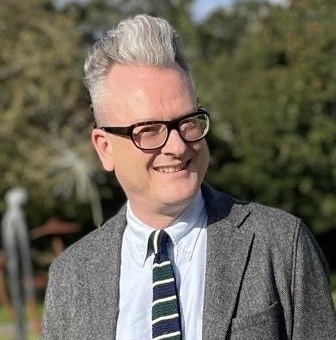
Andrew Barker
Lancaster University
See Biography
Andrew Barker has been Library Director at Lancaster University since September 2019. Prior to that he held a number of senior roles within a wide range of UK universities, including both Russell Group and Post 1992 Institutions. Within these institutions he has been responsible for all aspects of library leadership. Throughout his career in HE Andrew has also worked visibly, and actively, across the sector, often working closely with publishers on projects and advisory boards. He was a trustee of UKSG between 2014 and 2022, and was chair of its trustee board 2018 and 2022, he is currently Co-chair of SCONUL.
Tom Morley
Lancaster University
See Biography
| Tom is currently undertaking a secondment as the Research Culture and Open Monographs Lead at Lancaster University Library. Within this role he leads and coordinates programmes of activity to develop an Open Research Culture as well as exploring options to facilitate open monograph publishing. In his substantive post he works across the areas of Open Access, Research Intelligence and Research Data Management to coordinate and deliver a range of projects, services and initiatives as an Open Research Officer. Tom is also co-editor of the UKSG e-News. |

Kira Hopkins
Copim Open Book Futures / Birkbeck University
See Biography
| Kira Hopkins works on Opening the Future, a part of Copim Open Book Futures. Previously, they worked at Ubiquity, a born-OA publishing house in London as a book editor and journal account manager, after completing a PhD in Archaeology. |

Tom Grady
Copim Open Book Futures / Birkbeck University
See Biography
Tom Grady is a Work Package Lead on ‘Copim Open Book Futures’ which is a collaborative project composed of publishers, librarians and infrastructure providers working towards a more equitable ecosystem of publishing open access books through community approaches. He runs the ‘Opening the Future’ OA monograph funding model. Prior to joining Copim, Tom has worked in libraries, academic and public, and was a founding team member of the UK’s first jointly-run and library-led open access publisher, White Rose University Press. He can be found on BlueSky @scholtom.bsky.social
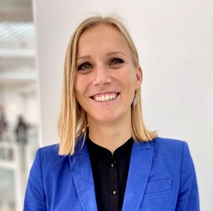
Linda McGrath
Amsterdam University Press/Central European University Press
See Biography
Linda McGrath has 15 years of experience in academic publishing and currently works with Amsterdam University Press and Central European University Press. She previously held positions at De Gruyter in Boston and Berlin, and as Head of Publications at Forschungszentrum Jülich in Germany. A strong advocate for Open Access—especially for scholarly monographs—Linda is committed to advancing sustainable and mission-driven publishing models that broaden global access to research

Theo Andrew
University of Edinburgh
See Biography
Theo Andrew is the Scholarly Communications Manager based in the Library Research Support section at the University of Edinburgh. His work focuses on enabling researchers and students to adopt open research practices in their everyday work activities. Theo leads the Scholarly Communications Team who provide specialised training, tools, advocacy and support services for Open Research at the University of Edinburgh. Prior to working in the Library, Theo trained as a Field Geologist and has a PhD in Geoscience
12.00
Lunch and Exhibition Viewing
Sponsored by

12.00
Poster Session 1
How Wolverhampton’s digital strategy advanced accessibility at scale – Aine Rice
The University of Wolverhampton’s digital strategy treats accessibility as a foundational element of learning at scale, rather than a compliance requirement. In 2024, the university transitioned over 2,000 titles to VitalSource, delivering consistent digital access with minimal disruption or increased support demand. This poster explores how platform stability, intuitive design, and built-in learning tools contributed to an accessible student experience from the outset. The strategy is further supported by emerging AI-enabled study tools that offer optional, in-context learning support, reinforcing student independence without adding complexity. Central to Wolverhampton’s success is transparent collaboration between the library, publishers, and platform providers, enabling flexible licensing, sustainable access models, and responsiveness to evolving student needs. Together, these elements demonstrate how a digital-first approach can advance accessibility at scale while supporting diverse learning preferences.
Closing the gender gap: Peer review at Nature Portfolio – Marios Karouzos
We report on gender representation in the Nature Portfolio across multiple stages of the publication journey, considering who is submitting to our portfolio, what impact we make in our editorial decisions, and the impact of peer reviewers. We have considered author self-reported gender data for 215,000 submitted articles across Nature Portfolio journals, 42,000 of which have also been matched to reviewers self-reported gender data. Our analysis provides an opportunity to understand the potential impact that editors have at key stages of the process.
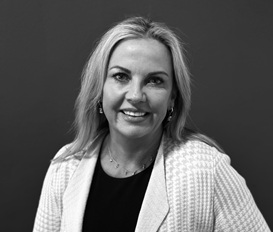
Áine Rice
Vitalsource
See Biography
Aine works closely with libraries and academic teams across the UK and Ireland to support smarter, more sustainable approaches to digital content. She believes librarians are the lynchpin of institutional teaching and learning experiences, connecting students with the right resources, at the right time, and in the right way. At VitalSource she leads engagement through various frameworks. She helps institutions navigate flexible access models, evidence-based procurement, and innovation through partnerships, from adaptive learning to the next wave of textbook access and OER discovery.

Marios Karouzos
Springer Nature
See Biography
Marios Karouzos is the Head of Publishing Strategy – Reviews, News & Opinion for the Nature Portfolio, mainly working on the publishing strategy of the Nature Portfolio hybrid and subscription journals. Marios is an astronomer by training and worked as a researcher before joining Springer Nature in 2016 as one of the launch editors of Nature Astronomy. Marios co-chairs the Springer Nature SDG working groups network and the Springer Nature Women employee resource group
13.30
Breakout Session – Group A
For further details of breakouts click here
13.30
Workshop 1
Diamond Open Scholarly Communication fund PANEL
In the last few years several Dutch universities have created a diamond/ open scholarly communication fund. These funds support diamond initiatives, both in content and in infrastructure. With a panel of representatives from four different universities we want to discuss:
– The motivations behind setting up these funds
– What differences and similarities there are in the policies and practicalities of these funds
– How we measure success.
– Lessons learned in setting up such a fund
We touch on why we create and maintain these funds even when we face budget cuts and what steps were necessary to be able to sway the library or university to approve these funds. We talk about how funds like these can be used in the universities strive towards sustainable Open Science & academic sovereignty in these turbulent geopolitical times.
The session will begin with a brief introduction of the panelists and the funds of their respective libraries, followed by a moderated discussion based on the four topics mentioned above (budget, policies, practicalities & lessons learned). Of course, there will also be time for a Q&A with the attendants of this session.
We hope to inspire other universities/ libraries to also consider setting up a fund like this and advise them on how to start.
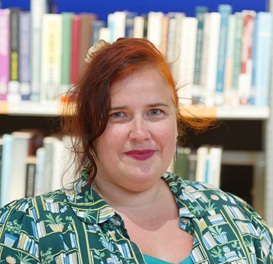
Louise Otting-Geevers
Delft University of Technology
See Biography
Louise Otting is the Collections & License Manager at Delft University of Technology (TUD) Library, where she negotiates with publishers for access to sources and publishing. In close collaboration with the Open Access Advisor and the diamond University Press (TU Delft Open Publishing), she writes the policies regarding collection & publishing management. She also manages the collection & publishing budget, which includes a dedicated OA fund and an Open Scholarly Communications fund. She contributes to several national and international groups like UKB, the national consortium, Library Advisory Boards and is dedicated to advance open, sustainable & equitable scholarly communication.
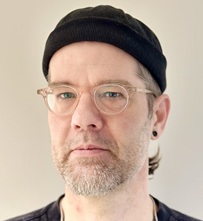
Pascal Braak
University of Amsterdam
See Biography
Pascal Braak is an open access specialist at the Library of the University of Amsterdam (UvA). He has a degree in Library Sciences and Law. He has managed several projects related to open access at the university, amongst others the UvA Diamond Open Access Fund for the last five years. He is member of the Open Access Working Group of the Dutch Consortium of University Libraries and of the Advisory Panel Open Scholarly Communication from OSNL.
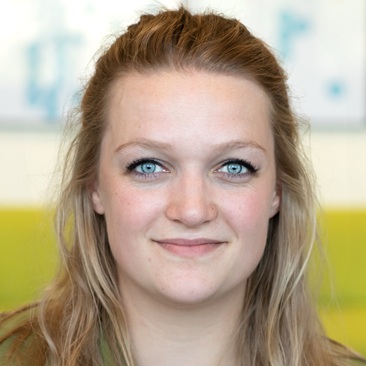
Anne van den Maagdenberg
Vrije Universiteit Amsterdam
See Biography
Anne van den Maagdenberg is the Open Access Librarian at the Vrije Universiteit Amsterdam. She acts as advisor on open scholarly communication both on a policy level and for researchers of the VU. She is a project lead within the VU Open Science program and manages the implementation of the VU Research Strategy. She is the secretary of the UKB Working Group Open Access and a member of the OSNL Advisory Panel Open Scholarly Communication. She has a background in Egyptology.
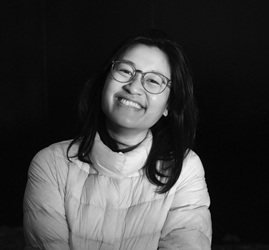
Erica Celine Yu
Erasmus University Rotterdam
See Biography
Erica Celine Yu was an Open Access Officer at the Erasmus University Rotterdam, where she managed the library’s Open Access Fund. She was also member and interim project lead of the Netherlands Diamond Open Access Expertise Centre. Currently, she holds a postdoctorate research position at Tilburg University where she works on building resilient digital democracies.
Pauline Sijrier-Goettsch
Delft University of Technology
See Biography
TBC
14.30
Breakout Session – Group B
For further details of breakouts click here
15.30
Refreshments and exhibition viewing
16.00
Breakout Session – Group C
For further details of breakouts click here
17.00
Lightning Talk 1
From Shakespeare to Eurovision – engaging users with Library eResources – Elaine Blair
From blog posts to Instagram stories via database lucky dips and Theatre Thursday, we have explored various tools and activities to enhance user engagement with eResources. This session will outline the work of the eResources Promotion Group at the Andersonian Library, University of Strathclyde which was established in March 2024. The aims of the group are to increase awareness and usage of Library eResources by University staff and students, deliver value for money on purchased eResources and investigate promotion tools and avenues.
Reimagining research practices to address sustainability, ethical and inclusivity concerns. Introducing the CREDIT (Community REsearch DIgital Toolkit) to inspire researchers to involve and engage communities in their research – Louise Zambianchi
The “Reimagining Research Practices: Towards a Sustainable, Ethical, and Inclusive Future” project is a 2-year initiative funded by the Wellcome Trust, bringing together various academic departments and Professional Services within Lancaster University, including the Library and Research Services. Its aim is to explore and enhance our understanding of research practices to make them more inclusive and supportive of marginalised or disadvantaged communities. The presentation will give an overview of the project and explore one of the outputs of the project: the CREDIT (Community REsearch DIgital Toolkit) to inspire researchers to involve and engage communities in their research.
Netherlands University Presses (NUPs): Publishing on our own terms – Margreet Nieborg
The Netherlands University Presses (NUPs) is a collaborative network of Dutch university presses committed to Diamond Open Access publishing. Supported by grants from Open Science NL and the Dutch Research Council (NWO), NUPs is developing into a sustainable, non-profit alliance that strengthens academically led publishing within the Open Science ecosystem. Bringing together presses from Delft, Groningen, Maastricht, Nijmegen, Tilburg and Leiden, NUPs demonstrates a scaling small approach by pooling infrastructure and expertise while preserving editorial independence and institutional identity.
This presentation focuses on two Open Science NL– NWO funded projects that underpin the NUPs collaboration. The first project supports the establishment of the NUPs Alliance, with a focus on governance, knowledge sharing, visibility and long-term sustainability. The second project aims to improve the efficiency, discoverability and impact of Diamond Open Access books through a shared metadata management infrastructure developed with Thoth Open Metadata. A national joint catalogue currently exists as a proof of concept and forms the basis for further development toward a robust, interoperable system. By aligning with open standards such as ROR, ORCID and Thema, and integrating with platforms including OAPEN and DOAB, the projects enhance transparency, global reach and the viability of non-commercial open access publishing.
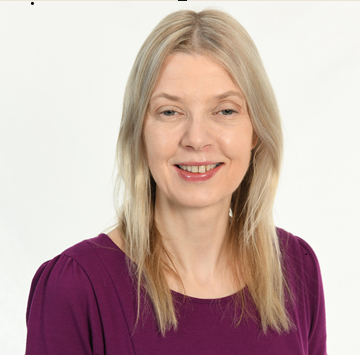
Elaine Blair
University of Strathclyde
See Biography
Elaine has worked as the Science Faculty Librarian at the University of Strathclyde since 2005. She has a particular interest in promoting the Library and its electronic resources. Previous roles include Engineering Librarian at the University of Leeds and Mailbase User Support Officer at the University of Newcastle.
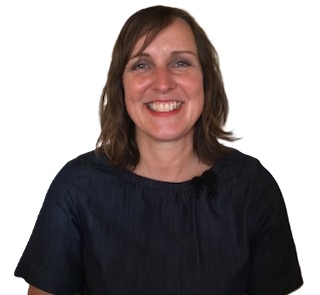
Louise Zambianchi
Lancaster University
See Biography
Louise Zambianchi has over 20 years’ experience of working in academic libraries. She has been working in the area of Open Access in her role as Open Access Manager and is also currently the Acting Head of Open Research at Lancaster University in the UK. Her professional interests include open access publishing, providing a support service for research students and academic staff and development of skills and training. Louise has engaged in many Open Research groups such as Academic Libraries North, RCUK Open Access practitioners’ group (which shaped the new UKRI policy) and led the open access submission for Lancaster University to REF2021
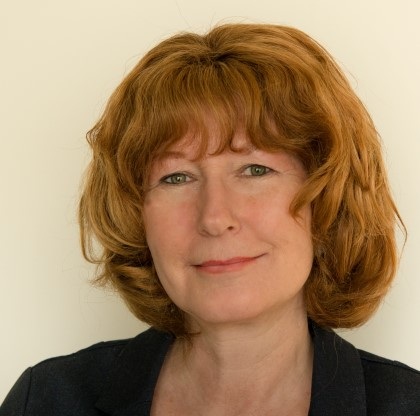
Margreet Nieborg
University of Groningen
See Biography
Margreet Nieborg is Project Manager and Head of the University of Groningen Press (UGP), and a board member of the Association of European University Presses (AEUP). Trained as an educationalist, she has led several initiatives within the University Library, including the establishment of UGP in 2017. UGP operates as a Diamond Open Access press publishing journals, books and textbooks, and is an active member of the Netherlands University Presses (NUPs).
17.30
Exhibition viewing and reception
19.00
Supper and quiz or free evening
Sponsored by

This event is optional; however, booking is mandatory. Please secure your place when completing your registration.
Time
Programme
Speakers
08.00
Registration opens alongside refreshments and exhibition viewing.
09.00
Plenary 2
Beyond the Big Deal: Lessons from the Big 5 Negotiations and retaining sector voice and strength at a time of radical uncertainty – Chris Banks, Alastair Flett, Kirsty Lingstadt, Gary Steele, Anna Vernon
The Big 5 negotiations have surfaced both strengths and strain points within the UK’s collective approach to journal negotiations. While simultaneous negotiations improved organisation, increased competition between publishers, and have delivered £10.7m in savings from first to final offers, the sector nonetheless continues to confront deep rooted challenges including legacy pricing inequities, institutional divergence, escalating article volumes, and rising concerns about research integrity.
This panel will explore the lessons learned from the recent negotiations cycle, the risks posed by increasing sector fragmentation, and emerging models that could better reflect institutional diversity while retaining collective leverage. Bringing together sector leaders, negotiators, and institutional voices, the session will consider what meaningful structural change might look like, how to engage academics more effectively, and how pricing and publisher accountability could evolve in a landscape shaped by growth, AI, and shifting research cultures.
Preparing Disaster-Ready Library Leaders: Advancing Advocacy for Libraries and the Communities they Serve – Feili Tu-Keefner Denise Lyons, Marcia A Mardis, David McMenemy
In times of crisis, library leaders must advocate for their staff, institutions, and communities. This session examines the essential competencies for effective crisis leadership and considers implications for professional preparation and academic communication. Drawing on findings from multiple research projects and real world examples, this presentation underscores the need for community-first library services during diverse disasters. The session also highlights the importance of sustained investment in professional development and continuing education for library staff—efforts that create valuable opportunities for scholarly publishing.
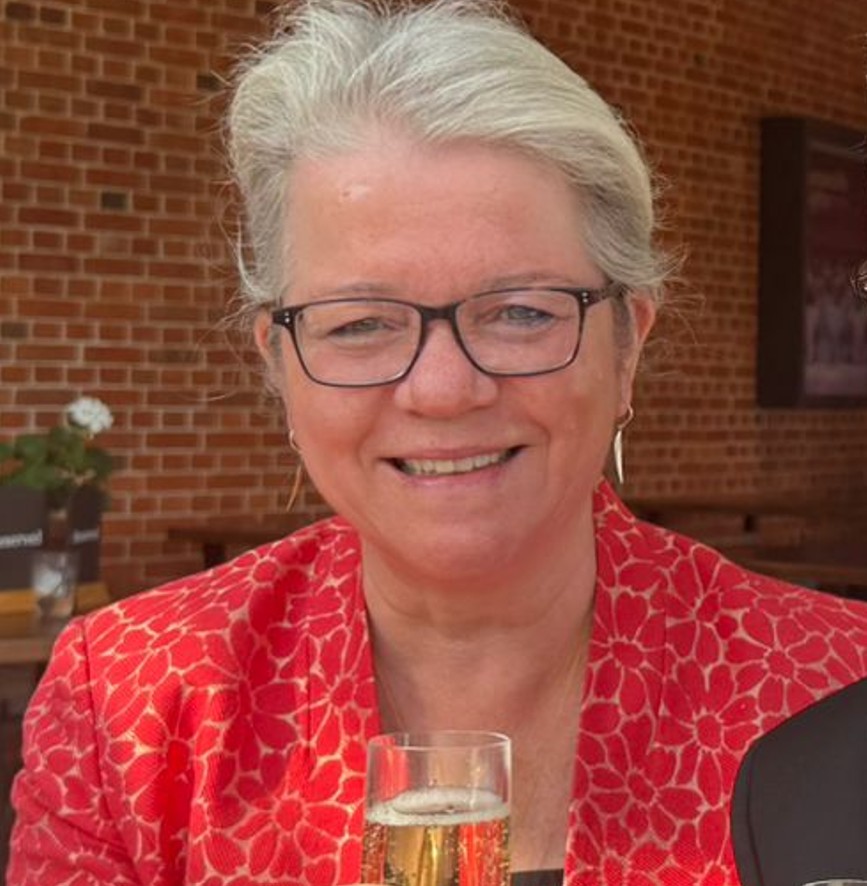
Chris Banks
.
See Biography
Dr. Feili Tu-Keefner is an associate professor in the University of South Carolina’s School of Information Science. Her work focuses on health librarianship, health informatics, and health communication, with expertise in disaster management and the role of public libraries in community resilience. From 2015 to 2024, she led six case studies demonstrating libraries’ contributions to emergency response and recovery. She is a founding member and academic advisor for the USC Certificate in Health Communication and also contributes to the iSchool’s Information Security and Cyber Leadership programs. Dr. Tu-Keefner is a WHO-certified infodemic manager trained by the WHO and U.S. CDC.
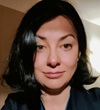
Anna Vernon
.Jisc
See Biography
Anna is the Head of Licensing at Jisc. Her portfolio spans open access agreements, research software, tools, and infrastructure. She has extensive experience managing international, consortial, and institutional licensing programmes, including support for the National Institute for Health and Care Research and UKRI open access policies. Previously, Anna worked at the British Library, overseeing licensing, intellectual property management, and rights clearance. She served on the Governing Council of SCOAP³, the global initiative for High Energy Physics, and chaired the Beyond Article-Based Charges working group.
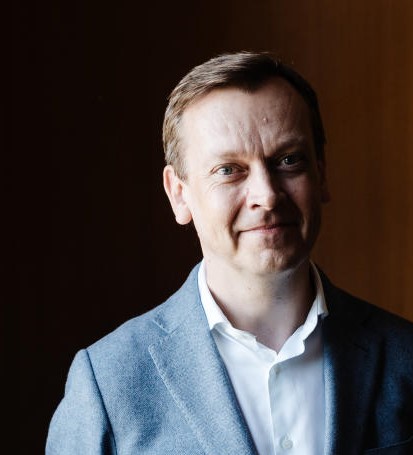
Alastair Flett
University of Cambridge
See Biography
TBC

Gary Steele
See Biography
Gary was appointed Director of Library Services at Glasgow Caledonian University in 2025, providing strategic and operational leadership for the Sir Alex Ferguson Library. Gary has a strong interest in promoting sector-wide collaboration and shared services and has worked closely with colleagues across the UK to share best practice. Through his involvement with the Scottish Higher Education Digital Library (SHEDL) Journals and Learning Content groups, the Scottish Confederation of University & Research Libraries (SCURL), Advanced Procurement for Universities and Colleges (APUC), the Jisc Library Purchasing Coordination Group, and the Jisc Publisher Negotiations Expert Group, he has contributed to shaping a more open, affordable, and transparent market for library resources and services.
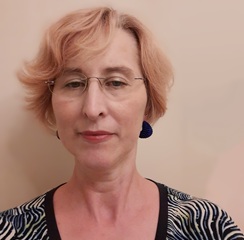
Kirsty Lingstadt
University of York
See Biography
Kirsty Lingstadt is Director of Library, Learning, Archives and Wellbeing at the University of York. She delivers a broad portfolio of activities from supporting student communities and wellbeing to digital for learning, teaching and research with a specific focus on online collections, digital making scholarship and preservation. She has latterly found herself taking a strong interest in scholarly publishing, considering how we navigate open research and publisher negotiations in a changing HE landscape. She is also vice-chair of RLUK and a board member of NLS.
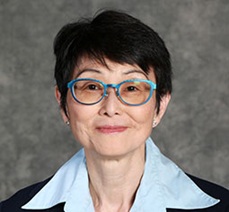
Feili Tu-Keefner
University of South Carolina
See Biography
Dr. Feili Tu-Keefner is an associate professor in the University of South Carolina’s School of Information Science. Her work focuses on health librarianship, health informatics, and health communication, with expertise in disaster management and the role of public libraries in community resilience. From 2015 to 2024, she led six case studies demonstrating libraries’ contributions to emergency response and recovery. She is a founding member and academic advisor for the USC Certificate in Health Communication and also contributes to the iSchool’s Information Security and Cyber Leadership programs. Dr. Tu-Keefner is a WHO-certified infodemic manager trained by the WHO and U.S. CDC.
Denise Lyons
Kentucky Department for Libraries and Archives
See Biography
| Denise Lyons serves as the State Librarian and Commissioner of the Kentucky Department for Libraries and Archives in Frankfort, Kentucky. She brings extensive experience in library administration and management, strategic planning, family literacy, and advancing library leadership and resiliency during disasters. Over the past 30 years, she has worked in a wide range of libraries and nonprofit organizations and remains active in several library associations. Denise holds a MLIS from the University of South Carolina and a MS in Public Services Management from DePaul University. She has also taught as a lecturer in the Information Science program at UNC Greensboro. |

David McMenemy
University of Glasgow
See Biography
| David is a Reader in Information Studies at the University of Glasgow. David’s research interests encompass information law and ethics, including intellectual freedom, and freedom of expression, freedom of access to information, digital citizenship, privacy, and the philosophy of information. He has also extensively researched around public library policy and development in the UK. David served as President of CILIP Scotland in 2025. David also served as Vice Chair of the Review Panel for the QAA Subject Benchmark Statement for Librarianship, Information, Knowledge, Records and Archives Management during 2024-25. He is currently Chair of CILIP’s new Intellectual Freedom Committee. |
Marcia Mardis
Florida State University
See Biography
| Dr. Marcia A. Mardis is the Dr. Elfreda A. Chatman Professor of Information and Director of the Information Institute at Florida State University. With over three decades of scholarly research, Dr. Mardis focuses on rural technical workforce development, community resiliency, and information infrastructure. Her work, which also explores digital education and librarianship, is widely recognized for advancing equity, innovation, and technology integration in learning contexts. A prolific author, she is a sought-after international mentor and speaker. |
10.30
Refreshments and exhibition viewing.
11.00
Breakout Session – Group A
For further details of breakouts click here
11.00
Workshop 2
Debate Club! Hearing Out ˜the Other Side’ on Some Core Tensions in Scholarly Publishing
Welcome to this debate on some of the tensions shaping academic publishing. Whether a librarian, publisher, academic, funder, or policy maker, you’ve probably had moments of frustration with Open Access models, peer review, licenses, or other aspects of how publishing works today. This session isn’t about preaching to the choir or sitting in our usual echo chambers. It’s about pressure testing our assumptions, hearing a spectrum of views which may lead to new insights, and, above all, respecting the sport of open, friendly, fair-minded discussion. Our debate teams will face off on whether we’d all be better off with rigorous review or speedy dissemination, and if commercial interests belong in academic publishing. You may not agree with what you hear. You may even find yourself unexpectedly persuaded! That is the point.
Beth Bayley
Karger Publishers
See Biography
Beth is Open Science Manager at Karger Publishers, a medical and health sciences publisher based in Switzerland. Specialising in Open Access since 2010, Beth is engaged with strategy, policy, and communications to support Karger in its drive toward a sustainable transition to Open Access that will serve all stakeholders. Beth also serves on the Jisc Open policy finder advisory board.
Christian Box
Karger Publishers
See Biography
Christian Box is the Head of Academic and Research Markets at Karger where he is responsible for the interactions, products and services across the Academic customer base. Prior to joining Karger he spent 16 years with IOP Publishing in the UK where he held a range of senior positions.

Liam Bullingham
University of Essex
See Biography
| Liam leads research support and academic liaison teams in Library and Cultural Services at the University of Essex, UK. He is a Trustee of UKSG and co-organised the November Conference, sits on the LIBER Educational Resources Working Group, co-organises ‘Open Research Week’ with colleagues in Liverpool and Lancashire, writes pieces in Sage Skills, Time Higher Education and other venues, and is a Fellow of the Higher Education Academy. |
Amy Devenney
University of Bristol
See Biography
| Amy Devenney is a Research Fellow at the University of Bristol and is currently leading the Wellcome-funded COMET study team. The COMET project aims to investigate and improve the use of evidence in decision-making affecting research cultures within higher education. Prior to this, she worked at Jisc, supporting national licensing and negotiation activity through data-driven insights and evidence, and she has also held roles across UK academic libraries. |

Stephanie Veldman
De Gruyter Brill
See Biography
Stephanie Veldman is the Director of Open Research at De Gruyter Brill. Her work focuses on developing sustainable, inclusive OA models that improve the visibility, accessibility, and impact of research. With deep experience at the intersection of academia and publishing both in HSS as well as STM, she collaborates closely with researchers, institutions, and partners to support the global transition to open science.
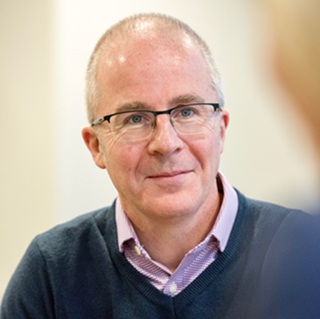
Martin Delahunty
Inspiring STEM Consulting
See Biography
| Martin Delahunty is Founder and Director of Inspiring STEM Consulting, providing publishing strategy, business development and training services to academic publishers, universities, pharmaceutical companies and technology services. His core focus is open science, research integrity, artificial intelligence and technical innovations in publishing workflows. A former Global Director at Springer Nature with over 30 years’ experience in scholarly publishing, Martin previously worked for Elsevier, Thomson Science and Harcourt Publishers. He is President of the European Medical Writers Association, past Board Member for the International Society for Medical Publication Professionals, and Advisory Cabinet Member for the Asian Council of Science Editors. |
12.00
Lightning 2
Building a community for scholarly communications research from the front lines – Beth Montague-Hellen
Research conducted by practitioners is vital to ensuring that scholarly developments are grounded in reality and aren’t simply theoretical. Within the LIS and scholarly communications communities there is a lot of appetite for research, which isn’t surprising given how closely we work with researchers and research outputs. However, many people who would like to carry out research don’t have the formal training that an academic route provides, and often any training that is present is from a different discipline. This talk introduces a burgeoning community of researchers and the infrastructure that is being put in place to support them: online communities, training materials and a new seminar series for presenting research.
Small changes: taking back control of our universities through open software – Simon Bowie
Universities in the UK are hindered by exploitative corporate software ecosystems. For all the advancement of open research and open access, the use and distribution of open source software in universities and libraries has been neglected in favour of the proprietary software defaults provided top-down by our institutions. Despite progress on open access publishing and open data sharing, university workers still use closed software like Microsoft Word for writing, Microsoft SharePoint for document management, and Microsoft Teams or Zoom for communication and conferencing. I want to discuss the failures of proprietary software in UK Higher Education and advocate for us to take back control of our work using open source software.
Proprietary software companies are openly exploiting universities and we are doing nothing to challenge them. A 2019 report from the UK’s Department of Education (2019) sets out the Government’s vision for the use of technology in education (specifically in England but with a clear agenda for the rest of the UK) and clearly communicates to vendors that UK education is a market ripe for exploitation. In this talk, I will discuss some some individual changes that we can make to our software practices – using Zotero for reference management, using kMeet for videoconferencing, and using Zettlr for note-taking and academic writing – before expanding out to larger software changes – divesting from companies like Microsoft and moving away from proprietary software platforms like Elsevier’s Pure or the Ex Libris suite of academic library systems. By embedding open source software in our working practices, we can divest from expensive and unreliable corporate software and take back control of our university IT.
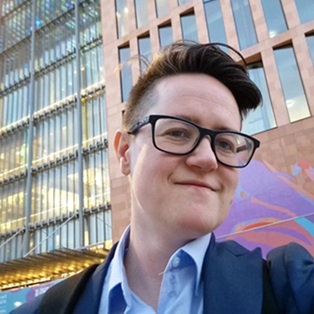
Beth Montague-Hellen
The Francis Crick Institute
See Biography
Dr Beth Montague-Hellen started off academic life as a Molecular Biologist studying at Manchester University. The next 14 years were spent as a bioinformatician, accruing an MSc and a Phd on the way. Following this, Beth decided that supporting others to do excellent research was far more rewarding than actually doing the research and so moved into Libraries and Research Support. Beth takes an as open-as-possible, EDI focused approach to research support and is a big advocate for green OA alongside a completely transparent research cycle including radically open data and software sharing.

Simon Bowie
University of Edinburgh
See Biography
Simon Bowie is an open source software developer focused on community-owned and scholar-led open publishing infrastructures. His academic work focuses on open source software and open access publishing, posthumanism, the expression of irony and sincerity, and radical librarianship.
12.30
Lunch and Exhibition Viewing
Sponsored by
12.30
Poster 2
Open Access, Open Metadata, Open Archiving: How to Liberate Metadata Flows across the OA Books Landscape – Rupert Gatti
With open access quickly becoming the standard mode of publishing scholarly publications, including monographs and edited collections, the integration of fully open and high-quality metadata into book production workflows, library cataloging systems, and long-term preservation solutions is gaining importance and urgency.
The poster will showcase metadata workflows of a variety of small and medium-sized scholar-led and university and library publishers from across the globe through the usage of Thoth Open Metadata, a non-profit open source platform providing innovative metadata management, hosting, and distribution solutions tailored to tackle the problem(s) of getting Open Access works into the wider book supply chain, ensuring their long-term sustainability.
Evolution of semi-automated workflows – Alison Hazelaar
This poster presents the evolution of our metadata team’s use of semi-automated processes to improve efficiency, maintain quality, and manage increasing workloads with limited resources. Starting with a basic workflow to batch-create minimal discovery records for special collections, we gradually expanded our use of tools such as MarcEdit and the OCLC API to streamline metadata creation and enhancement.
These semi-automated workflows allow us to reduce manual input, improve consistency, and handle larger volumes of materials without expanding staffing.
Rupert Gatti
Thoth Open Metadata
See Biography
TBC
Alison Hazelaar
University of Leeds
See Biography
Alison Hazelaar has been a leader in the Metadata and Discovery Team since joining as a cataloguer in 2000. She is now the strategic manager, bringing together projects from rare books cataloguing to the development of linked data initiatives. Alison believes in a coaching approach and offering the team development opportunities (but only once she’s had her own fun developing the process
14.00
Plenary session 3
The value and impact of EDI-focused resource lists – Alex Mormoris, Lizzie McCauley, The Open University
The Open University Library creates Curated Resource Lists covering EDI, sustainability and wellness topics. The lists have grown to cover 15 different topics, with 10 more underway. The goal is to promote diverse perspectives, so that users can incorporate them into their various research needs and interests.
This session will cover:
– The history of the lists
– How the direction was decided
– Collaboration between the Library and OU institutional networks
– The role that user feedback plays
– The value and impact These lists enable iterative evolution of content offering and exemplify the importance of EDI.
From access to impact: A reflection on global research equity – Domiziana Francescon
As the global geography of research rapidly shifts, equity in scholarly communication depends on more than access alone: it requires capacity, connectivity and local leadership. New evidence shows that researchers in low- and middle-income countries now account for the majority of global research output, driven by sustained investment in knowledge infrastructure and collaboration This session examines how the Research4Life Country Connectors programme translates access into impact, combining global partnerships with locally-led networks. Drawing on recent WIPO and bibliometric evidence, we highlight measurable gains in research output, collaboration and women’s participation – and share practical models for building inclusive, resilient scholarly ecosystems worldwide.

Alex Mormoris
The Open University
See Biography
Alex Mormoris is an e-content manager within the content and licensing team at the Open University. He is also currently a student on the MA Librarianship and Information Science course at the University of Sheffield. He is also a founding member of the Mercian Global Majority community of practice.
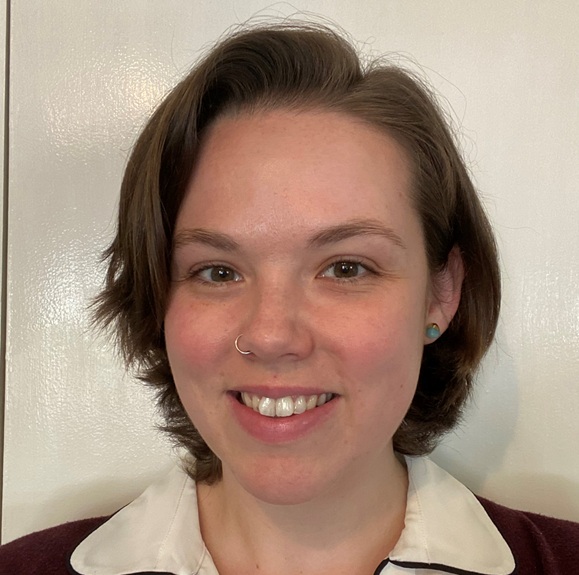
Lizzie McCauley
The Open University
See Biography
Lizzie McCauley is a UX and accessibility specialist, working at the Open University Library. With a background that also includes content and marketing, Lizzie brings diverse experience to the role. She is responsible for the usability and accessibility of Library sites and systems, and incorporates digital sustainability and EDI initiatives into this work
Domiziana Francescon
Elsevier
See Biography
Domiziana Francescon serves as the Elsevier Foundation’s Partnerships Director, where she works with partners around the world to establish collaborations that advance inclusive research and health – supporting the UN Sustainable Development Goals. She also serves as Program Director for Elsevier’s corporate responsibility partnerships, especially focusing on sustainability and Inclusion & Diversity spaces. Additionally, Domiziana is the Co-Chair of the Communications team of Research4Life, a UN-publisher partnership to bridge access gaps for researchers and doctors in the Global South – and she is actively involved in marketing and fundraising initiatives for the partnership.
15.00
Breakout Session – Group B
For further details of breakouts click here
15.00
Workshop 3
The Sustain-agility game
Sustainability is increasingly critical in UK academic libraries, not only in environmental terms but also in ensuring long-term access to knowledge, responsible resource use, and inclusive service delivery. Libraries must adapt to changing demands while supporting institutional sustainability goals. In this workshop we will use a board game as the basis for exploring practical strategies for embedding sustainability into library operations and strategies. By considering sustainability in all its forms, librarians can help future-proof services, reduce risk, and contribute meaningfully to a more resilient and equitable academic environment.
Angela Jones-Evans
University of Gloucestershire
See Biography
Dr Angela Jones‑Evans is the Library Services Manager at the University of Gloucestershire. Her work focuses on enhancing the student experience through service innovation, continuous improvement, and the effective use of data to inform decision‑making.
Angela’s professional interests centre on sustainability, user‑experience‑led service design, and the development of academic library spaces. She is currently guiding the university’s library transformation work, bringing together student insight, space‑use evidence, and digital solutions to ensure responsive, inclusive, and environmentally responsible services. Alongside her institutional role, Angela is an active contributor to sector‑wide professional networks and initiatives that support leadership development and collaborative learning. She is committed to exploring creative and engaging approaches to professional practice and enjoys sharing ideas that help colleagues rethink traditional library challenges.
16.00
Refreshments and exhibition viewing.
16.30
Breakout Session – Group D
For further details of breakouts click here
17.00
Exhibition viewing
19.00
Gala evening reception
Sponsored by

Time
Programme
Speakers
08.00
Registration opens alongside refreshments and exhibition viewing.
09.00
Plenary 4
What the scholarly community can- must- do about digital preservation – Alicia Wise
In an increasingly digital, distributed, and data-dependent world, trust, continuity, and integrity are foundational. Digital preservation is no longer a back-office concern—it is now a core strategic function essential to the evolution of academic libraries, scholarly publishing, and research infrastructure.
Digital research outputs are at risk of vanishing without a trace. The minority of these outputs are adequately protected. Without active preservation:
• Content loss becomes institutional failure and collective memory loss
• Scholarly integrity suffers when foundational work cannot be verified or revisited
• Access decays into broken links and irreversible gaps in the scholarly record
From platform obsolescence to geopolitical shocks, digital fragility is strategic fragility. A publisher might fold. A national archive might lose funding. A commercial platform might sunset. Libraries, universities, and publishers alike need long-term preservation solutions that transcend suppliers, budgets, and political regimes
Disappearing data: Responding to government web content takedowns – John Barbrook, Toby Green, Linda Kellam
2025 saw a marked increase in takedowns of government data and documents. In this session, introduced by Toby Green, Linda Kellem, Director of Research Data & Digital Scholarship at Penn Libraries will describe the work done by the Data Rescue Project to secure at-risk US government datasets. John Barbrook, a Faculty Librarian at University of Lancaster with a special interest in grey literature, will talk about the challenges of rescuing documents that are disappearing from government-funded programmes, like USAID, and from government websites.
Alicia Wise
CLOCKSS
See Biography
Alicia Wise is Executive Director of CLOCKSS where research libraries and academic publishers come together to ensure the long-term preservation of the scholarly record. She has been active in increasing access to research information for 20 years working with the spectrum of scholarly communication stakeholder communities. Preparation for this came in the form of a Ph.D. in Anthropology on the Roman invasion of Scotland and grassroots resistance to this. https://orcid.org/0000-0002-7898-3428 @wisealic.bsky.social
Toby Green
Coherent Digital
See Biography
Toby GREEN, Co-Founder, Coherent Digital is the publisher for Policy Commons and Applied Science Commons. He has worked in scholarly, policy and professional publishing for more than 40 years, holding a variety of senior roles with OECD, Elsevier and Pergamon. Having published books, journals and data, he is now focusing on real-world knowledge for real-world impact. He is a regular speaker at scholarly communication events and serves on the Board of Annual Reviews. Previously a member of the Royal Society of Chemistry Publishing Board and Chair of ALPSP
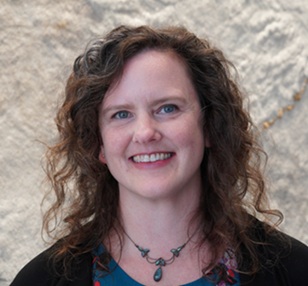
Linda Kellam
Penn Libraries / Data Rescue Project
See Biography
Lynda Kellam is the Snyder-Granader Director of Research Data & Digital Scholarship at the University of Pennsylvania Libraries, where she leads a team supporting research data management, data science, GIS, digital humanities, AI, and institutional repository services. Her research focuses on preserving at-risk public data, advancing FAIR principles, and supporting qualitative and mixed-methods research. She is a co-founder of the Data Rescue Project and serves as the Secretary of IASSIST, an international organization for data professionals. She holds a PhD in American History, an MA from the University of Wisconsin-Madison, and an MLIS from UNC Greensboro.
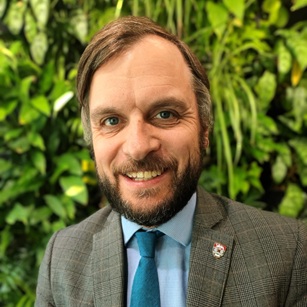
John Barbrook
Lancaster University
See Biography
Barbrook is a Faculty Librarian at Lancaster University. His role focuses on the development of content provision for his subject areas, and also supports Evidence-based Practice and Systematic Reviews via online guidance and in-person appointments.
John advocates for the importance of decolonised literature searching to reduce bias and increase diversity in academic research and is working widely on integrating grey literature within systematic search methodologies.
He is presently collaborating on initiatives to mitigate the impact of a potential loss of valuable US policy and published literature, threatening the validity of realist and integrative reviews especially within diverse or LGBTQ+ communities. Outside of the Library, John is a Co-Director of Lancaster Community Makerspace and is an keen cyclist.
10.00
Breakout Session – Group C
For further details of breakouts click here
11.00
Refreshments and exhibition viewing
11.30
Breakout Session – Group D
For further details of breakouts click here
12.30
Plenary 5
What’s keeping librarians and CISOs up at night?
Librarians are often on the front line of cyberattacks with their networks perceived as back doors to data and personal information held by universities or academic institutions. Research conducted by the Scholarly Network Security Initiative in 2021 showed that librarians had limited confidence on the topic of cybersecurity with the loss of personal student data and the threat to their institutions’ reputation their main concerns.
As cyberattacks on higher education institutes have increased in recent years with high-profile institutions such as the British Library finding themselves compromised, the Scholarly Network Security Initiative (SNSI) has undertaken new research to see whether this increase in cybercrime has changed the views of librarians and CISOs on the threats posed and how to mitigate against them. Join a panel of library and security experts to reflect on the findings and share their experience and expertise of cybersecurity challenges.
Rick Anderson
Brigham Young University
See Biography
Rick Anderson is University Librarian of Brigham Young University. He serves on numerous editorial and advisory boards and is a regular contributor to the Scholarly Kitchen. He has served as president of NASIG and of the Society for Scholarly Publishing, and is a recipient of the HARRASSOWITZ Leadership in Library Acquisitions Award. Rick is the author of three books, including Scholarly Communication: What Everyone Needs to Know (Oxford University Press, 2018), which has been published in three languages.
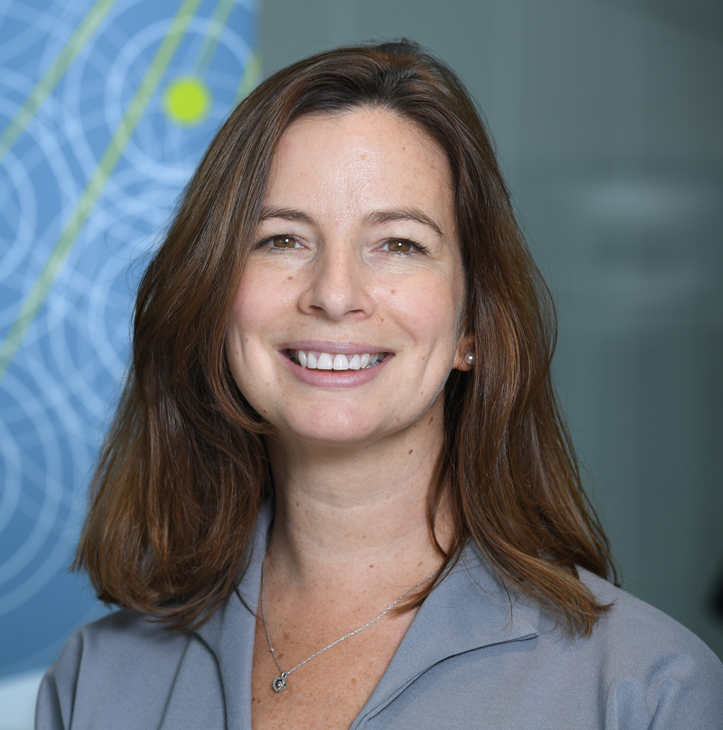
Susie Winters
Scholarly Networks Security Initiative
See Biography
Susie Winter is Vice President, Communications at Springer Nature and co-chairs the Scholarly Networks Security Initiative (SNSI) Communications Working Group . Susie joined Springer Nature from the Publishers Association, the trade association for the publishing industry in the UK where, as Director of Policy and Communications, she was responsible for developing and leading the PA’s work across the policy agenda as well as promoting the contribution made by the UK publishing industry at both a UK and European level.

David Lowe-Robertson
HEFESTIS Ltd
See Biography
David is a seasoned CISO with 25 years in cyber and information security, serving the Public, Higher, and Further Education sectors. He spearheaded UK national programs like eCare, C-me for secure adult and child protection, and chaired the Scottish National Practice Forum. He leads initiatives bolstering cyber resilience. Currently CISO with HEFESTIS CISO-Share and CEO of CyberSentrix, David drives innovative social collaboration integrated with AI and digital systems, fostering confidential information sharing and elevating cyber security posture to universities and colleges.
13.15
Summary and Close
For further details of breakouts
Group A – click here
Group B – click here
Group C – click here
Group D – click here
Debate Club! Hearing Out the Other Side’ on Some Core Tensions in Scholarly Publishing
Beth Bayley
Karger
See Biography
TBC
Liam Bullingham
University of Essex
See Biography
TBC
Christian Box
Karger Publishers
See Biography
Christian Box is the Head of Academic and Research Markets at Karger where he is responsible for the interactions, products and services across the Academic customer base. Prior to joining Karger he spent 16 years with IOP Publishing in the UK where he held a range of senior positions.
Martin Delahunty
Inspiring STEM Consulting
See Biography
| Martin Delahunty is Founder and Director of Inspiring STEM Consulting, providing publishing strategy, business development and training services to academic publishers, universities, pharmaceutical companies and technology services. His core focus is open science, research integrity, artificial intelligence and technical innovations in publishing workflows. A former Global Director at Springer Nature with over 30 years’ experience in scholarly publishing, Martin previously worked for Elsevier, Thomson Science and Harcourt Publishers. He is President of the European Medical Writers Association, past Board Member for the International Society for Medical Publication Professionals, and Advisory Cabinet Member for the Asian Council of Science Editors. |
Stephanie Veldman
De Gruyter Brill
See Biography
TBC
The Sustain-agility game
Sustainability is increasingly critical in UK academic libraries, not only in environmental terms but also in ensuring long-term access to knowledge, responsible resource use, and inclusive service delivery. Libraries must adapt to changing demands while supporting institutional sustainability goals. In this workshop we will use a board game as the basis for exploring practical strategies for embedding sustainability into library operations and strategies. By considering sustainability in all its forms, librarians can help future-proof services, reduce risk, and contribute meaningfully to a more resilient and equitable academic environment.
Angela Jones-Evans
University of Gloucestershire
See Biography
Dr Angela Jones‑Evans is the Library Services Manager at the University of Gloucestershire. Her work focuses on enhancing the student experience through service innovation, continuous improvement, and the effective use of data to inform decision‑making.
Angela’s professional interests centre on sustainability, user‑experience‑led service design, and the development of academic library spaces. She is currently guiding the university’s library transformation work, bringing together student insight, space‑use evidence, and digital solutions to ensure responsive, inclusive, and environmentally responsible services. Alongside her institutional role, Angela is an active contributor to sector‑wide professional networks and initiatives that support leadership development and collaborative learning. She is committed to exploring creative and engaging approaches to professional practice and enjoys sharing ideas that help colleagues rethink traditional library challenges
Diamond Open Scholarly Communication fund PANEL
In the last few years several Dutch universities have created a diamond/ open scholarly communication fund. These funds support diamond initiatives, both in content and in infrastructure. With a panel of representatives from four different universities we want to discuss:
– The motivations behind setting up these funds
– What differences and similarities there are in the policies and practicalities of these funds
– How we measure success.
– Lessons learned in setting up such a fund
We touch on why we create and maintain these funds even when we face budget cuts and what steps were necessary to be able to sway the library or university to approve these funds. We talk about how funds like these can be used in the universities strive towards sustainable Open Science & academic sovereignty in these turbulent geopolitical times.
The session will begin with a brief introduction of the panelists and the funds of their respective libraries, followed by a moderated discussion based on the four topics mentioned above (budget, policies, practicalities & lessons learned). Of course, there will also be time for a Q&A with the attendants of this session.
We hope to inspire other universities/ libraries to also consider setting up a fund like this and advise them on how to start.
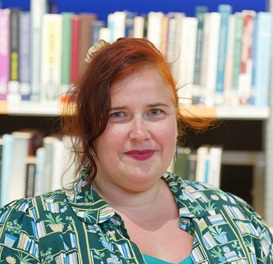
Louise Otting-Geevers
Delft University of Technology
See Biography
Louise Otting is the Collections & License Manager at Delft University of Technology (TUD) Library, where she negotiates with publishers for access to sources and publishing. In close collaboration with the Open Access Advisor and the diamond University Press (TU Delft Open Publishing), she writes the policies regarding collection & publishing management. She also manages the collection & publishing budget, which includes a dedicated OA fund and an Open Scholarly Communications fund. She contributes to several national and international groups like UKB, the national consortium, Library Advisory Boards and is dedicated to advance open, sustainable & equitable scholarly communication.
Pascal Braak
University of Amsterdam
See Biography
Pascal Braak is an open access specialist at the Library of the University of Amsterdam (UvA). He has a degree in Library Sciences and Law. He has managed several projects related to open access at the university, amongst others the UvA Diamond Open Access Fund for the last five years. He is member of the Open Access Working Group of the Dutch Consortium of University Libraries and of the Advisory Panel Open Scholarly Communication from OSNL.
Erica Celine Yu
Erasmus University Rotterdam
See Biography
Erica Celine Yu was an Open Access Officer at the Erasmus University Rotterdam, where she managed the library’s Open Access Fund. She was also member and interim project lead of the Netherlands Diamond Open Access Expertise Centre. Currently, she holds a postdoctorate research position at Tilburg University where she works on building resilient digital democracies.
Anne van den Maagdenberg
Vrije Universiteit Amsterdam
See Biography
Anne van den Maagdenberg is the Open Access Librarian at the Vrije Universiteit Amsterdam. She acts as advisor on open scholarly communication both on a policy level and for researchers of the VU. She is a project lead within the VU Open Science program and manages the implementation of the VU Research Strategy. She is the secretary of the UKB Working Group Open Access and a member of the OSNL Advisory Panel Open Scholarly Communication. She has a background in Egyptology.
Pauline Sijrier-Goettsch
Delft University of Technology
See Biography
TBC
Feedback
The conference was great and was organised really well. Everyone was really friendly and I gained loads from it.
Previous delegate
I thoroughly enjoyed the conference and look forward to returning next year.
Previous delegate
Contact
General queries – events@uksg.org
Sponsorship opportunities – albert@contentonline.com
Exhibition queries – Karina Hunt at KHEC – karina@khec.co.uk
Cancellations
The closing date for cancellations is Friday 27th February at 5pm GMT. after which date cancellations will not be eligible for a refund. Cancellations should be sent in writing to events@uksg.org
The UKSG code of conduct can be found here
The General UKSG booking terms and conditions can be found here