
Programme
Speaker
Group D
Insights into a Scalable, Sustainable, and Pedagogy-Led ‘Open First’ Learning Resource Approach with Sylla
This session explores Coventry University’s development of a sustainable pedagogy-aligned model for learning resource provision that empowers teaching and learning. Supported by executive leadership, Library and Learning Resources partnered with academics to preserve academic freedom while innovating resource selection. Using Sylla to map Open Educational Resources to module outcomes, the University moved beyond costly traditional commercial textbooks. Starting with a 16-module pilot, the initiative now spans over 200 modules, streamlining workflows, forging a culture of openness, achieving over 75% cost savings, and enhancing student equity and engagement. Join us to discover how this scalable approach is redefining resource provision in higher education.
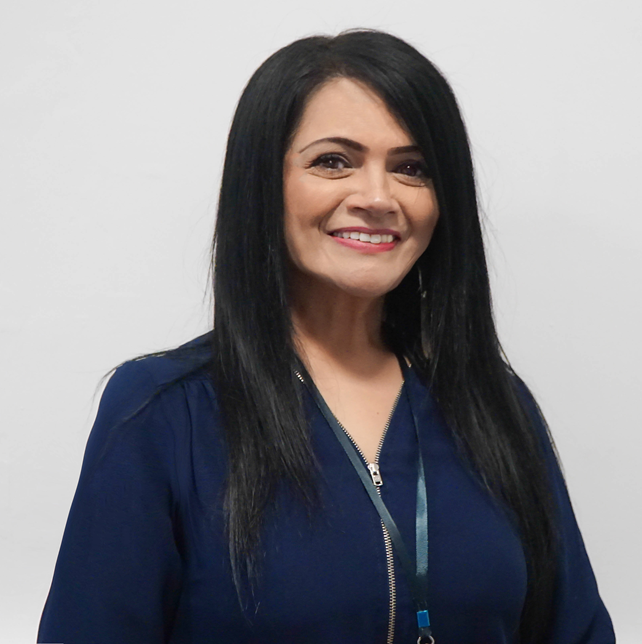
Dal Badesha
Coventry University
Biography
Dal is the Head of Learning Resources and Student Experience at Coventry University, focusing on Open Education Resources. With a career in academic libraries spanning nearly three decades, Dal was also Project Manager for one of Europe’s largest textbook schemes providing students with seamless access to essential learning materials.
Passionate about accessible learning, she is dedicated to exploring emerging technologies and enhancing student experience through innovative resource strategies
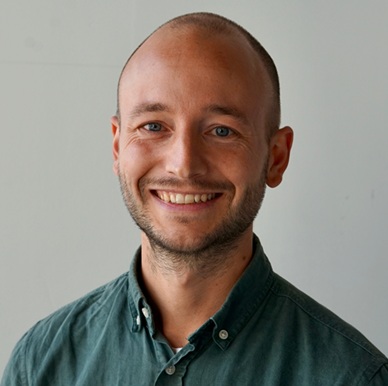
Sam Eerdmans
Sylla
Biography
Sam Eerdmans is one of the co-founders of Sylla and the Director of Business & Operations. At Sylla, Sam works in a dynamic role across business, customer success and operations. In this role, he works closely with Sylla’s library partners around the world in the US, UK and Australia – helping them to drive and grow OER success locally.
Beyond Compliance: Integrity as a Research Cornerstone
Research integrity is often exclusively discussed in the context where something has gone wrong in the research process or publication. This can lead to an environment in which those engaged in the doing and support of research don’t see research integrity is part of their day to day. The third edition of The Concordat to Support Research Integrity was published in 2025 and reemphasises the importance of a culture of research integrity for supporting the trustworthiness of UK research.
From reading research to research proposal to publication, the principles of research integrity can create a positive environment in with trustworthy research is built. From accessing relevant literature, to preparing comprehensive funding proposals to conducting and publishing robust research outputs, support stretches across the research ecosystem. No participant in this process is an island and the ecosystem is full of symbiotic and interacting factors that can strengthen and challenge trust in research outputs. In this session, we will hear from key participants across the research process, libraries, governance, funders, and research managers, about the unique and collaborative ways they create the environment in which research integrity can flourish and how factors up and downstream make this work harder and easier.
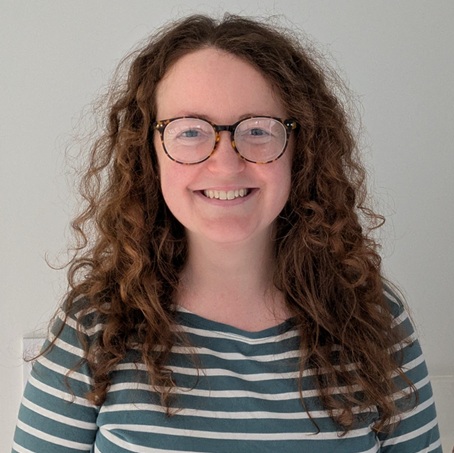
Gráinne McNamara
Karger Publishers
Biography
Gráinne leads the Research Integrity / Publication Ethics team at Karger Publishers, responsible for developing research integrity policies and conducting investigations for all Karger publications and is an elected COPE Council member as of 2025. She completed her PhD in Integrative Neuroscience at Cardiff University in the UK and then spent several years as a researcher at Cardiff University and Imperial College London. Since 2017 she has been working in research integrity teams at publishers and she established the team at Karger Publishers in 2021. In this role, she is particularly interested in research integrity, promoting activities that enhance transparency and the reproducibility of research
Gearóid Ó Faoleán
Jisc
Biography
Gearóid Ó Faoleán is a Licensing Manager at Jisc, where he primarily negotiates and manages licensing agreements with academic publishers on behalf of the UK HEI and research institution sector.
He previously worked for a decade in academic publishing, beginning as a publisher at Frontiers in Lausanne, Switzerland. He moved to London in 2016 to establish and lead their Research Integrity team for five years, before joining Taylor & Francis in 2020 heading up the humanities and social sciences portfolio for their F1000 imprint.
Gearóid holds a PhD in modern Irish history and continues to publish regularly on the period.

Sam Oakley
University of Glasgow
Biography
Sam is the Research Governance and Integrity Manager at the University of Glasgow, leading on research security compliance and Research Integrity training, communications, and Research Misconduct investigations. She originally completed a degree in Ancient History and Archaeology, followed by a PhD in Egyptology. Sam worked as an Analyst Programmer in the finance industry before retraining as a librarian, latterly Research Librarian covering open research, bibliometrics and the REF. She has experience in E-learning and Researcher Development, developing the university’s Research Integrity training. Sam is a qualified Coach and Senior Fellow in the University of Glasgow’s Recognising Excellence in Teaching framework.
Africa in the Open: Reimagining Global Knowledge Beyond Western Publication Models
Academic publishing has long been dominated by Western-centric models that marginalize knowledge produced in the Global South with African researchers facing additional systemic barriers. This presentation explores how open research practices can emerge as viable and transformative alternatives to these hegemonic Eurocentric systems. I examined Global North shifts concerning academic resistances and editorial mass resignations as well as African-led platforms such as UbuntuNet Alliance and AJOL as evidence of resistance and knowledge reimagination beyond ‘APC reforms’. Therefore, this presentation argues for open research as a decolonial and democratic force against global knowledge inequality
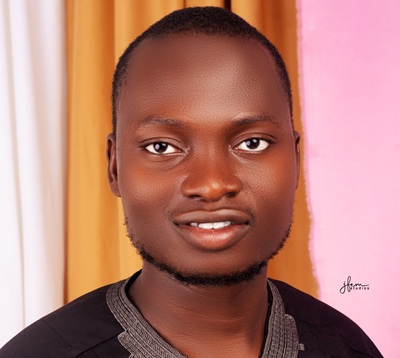
Luqman Muraina
University of York
Biography
Luqman Muraina is a final year Global Development PhD researcher at the Department of Politics and International Relations, University of York. Luqman has four years of teaching and research assistantship experience and is currently engaged as a GTA, Research Associate, and a Graduate Engagement Lead for Open Research at the University of York’s library. He supports the university’s commitment towards making Open Research as a default research practice. He researches on decolonisation, higher education, politics of knowledge, and post-colonial African development and looking forward to research roles in the academia and/or social justice institutions.
More Than Savings: Cultivating Sustainable OER Practices from the Ground Up
The Open Textbook Faculty Incentive Program at the University of Illinois Chicago (UIC) has estimated $6 million savings among students by providing reduced-cost or no-cost access to textbooks. Faculty are incentivized to adopt, adapt, or create OER for the courses they teach. Maintenance and service improvement of OER initiatives is necessary to sustain funding and enthusiasm across campus, and to provide faculty with guidance on copyright, publishing tools, and platforms to disseminate their work. In this panel, we seek to connect with fellow OER practitioners, particularly those in the early phases of implementation to exchange insights, share challenges, and brainstorm actionable strategies for fostering OER growth in our respective institutions.
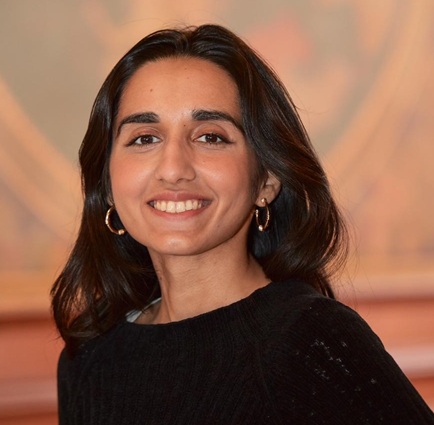
Amina Malik
University of Illinois Chicago
Biography
Amina Malik is a Digital Publishing Librarian and Bridge to Faculty Research Associate at the University of Illinois Chicago. Rooted in cultural heritage work, her research has speculated workflows that steward the ethical hosting and exhibiting of archival materials on or belonging to underrepresented communities in academia. Malik also supports students, scholars and instructors across campus to explore open access publishing trends that best fit their interests in curating their digital scholarly presence and learning environment. Collectively, her service and research interests fall under the umbrella of fostering inclusivity towards expressing oneself, or special collections onto digital publishing platforms.
Sandra De Groote
University of Illinois Chicago
Biography
Sandra De Groote started her career at the University of Illinois Chicago (UIC) in 1998 as a health science librarian. In 2009, Sandy became the Scholarly Communications Librarian. Sandy is currently the Head of Scholarly Communications at UIC, which includes initiatives such as digital publishing, open access publishing, open education resources, impact metrics, data management, and digital scholarship. Her research examines the impact of the library on faculty productivity and student success. Sandy earned her M.L.I.S. and her B.A. in Psychology from the University of Western Ontario, and her M.Ed. from UIC.
“Is it mad to pray for better hallucinations?” Generative AI’s Invention over Information
AI hallucinations are getting worse. These are instances when generative AI programmes fabricate information or makes attempts to guess at users desired answers. OpenAI latest releases, the o3 and o4-mini models, have been reported to hallucinate between 30-50% of the time, though the issue is not limited to Sam Altman software. Hallucination rates are high across companies developing so-called reasoning models that are meant to mimic human thinking. This talk will discuss the perils of out-sourcing lateral modes of thought. There’s been a lot of attention on an AI knowledge crisis in HE brought about by a perceived over-reliance on these tools and how they’ve problematised assessment methods, for example. However, this talk aims to consider the longer-term implications of allocating increasingly complex thought to machines at the cost of our critical thinking capabilities, information skills, and creativity. What role do librarians/information professionals have to play in this increasingly dehumanised information environment?
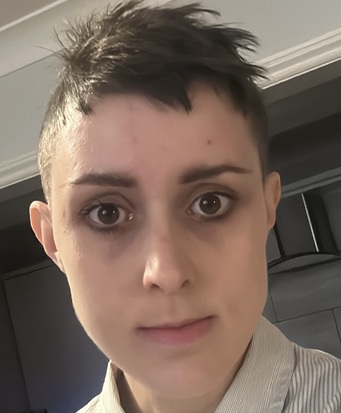
Eilish Purton
University of Sussex
Biography
Eilish Purton is an Open Research & Scholarship Librarian at the University of Sussex. She is also chair of the CILIP LGBTQ+ committee. She has worked in libraries across the UK and is broadly interested in digital technology’s impact on information access. Although she works in Brighton, Eilish lives in Portsmouth. Outside of libraries, she likes spending time at home with her four pet bunny rabbits.