
15 July 2026
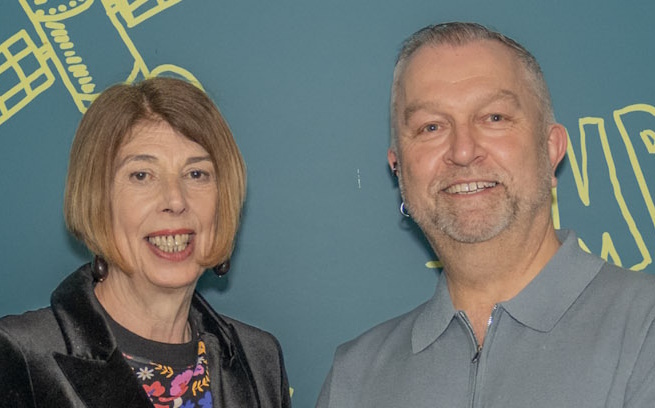
As most of Europe basks in previously unheard of hot temperatures, the team here at Insights continues to keep up the heat on our authors, supporting them to write and submit more informative and challenging articles on all the hot topics in the scholarly communications environment.
Since we last wrote, we have continued to see social, technological and political changes around the world. Higher education in many countries faces challenges from shifts in learning styles and technological change. Publishers face challenges from both technology and the financial pressures on their customers, meaning that the future of transformative agreements remains turbulent. And, of course, we are all grappling with the opportunities and challenges presented by the seemingly unstoppable rise of AI. These, and many other topics, are covered in Insights, and we hope that you continue to find our articles stimulating and thought provoking.
Over recent weeks we have brought you articles which have examined how professional education can be engaged with in differing ways. Laura Tobler’s article ‘Experiencing open access: a role-play approach to practical learning’ looked at how library apprentices at Bern University of Applied Sciences used role-play to simulate the full publication process of a scholarly article, from data collection to repository deposit. Alice Gibson argued that resources from systems change theory can be used to strengthen metascience, discouraging questionable and dishonest research practices and reducing the burden on professional staff in higher education. In a case study from the Bodleian Library at the University of Oxford, David Watson looked at the process of establishing a new structured workflow for assessing open monograph business models, which can vary in cost, transparency and sustainability.
We have continued to explore the world of open scholarship and have published several articles looking at aspects of open research, OA business models and transformative agreements. Katie Vernon, Yorgos Paschos and Luqman Muraina reflected on how engagement with interdisciplinary open research changed the outlooks and knowledge of Graduate Engagement Leads at the University of York and how they hope to promote an open research culture in their professional and academic work. Barbara Class, Denis Bourquet and Thomas Guillemaud presented a case study on Peer Community In and Peer Community Journal: a two-step Diamond OA process which aims to give control back to the research community by allowing authors to organize the open and free peer review of preprints on different thematic platforms. The authors can then choose to submit them to any journal or to Peer Community Journal (PCJ), a diamond open access journal, which publishes any and only PCI-recommended preprints.
We also brought you two articles examining differing issues associated with transformative agreements (TAs). Monica Ward’s study aimed to determine whether library consortia involved in TAs have clear goals and if they assess the agreements they negotiate, while Johanna Säll and Sara Parmhed looked at the financial aspects of transformative agreements from the perspective of two university libraries in Sweden: Karolinska Institutet and Södertörn University. They took comparative cost analyses of four agreements to examine how TAs have affected overall publishing expenditures for the universities and identify the costs and challenges for library budgeting.
We continue to publish as we head for our summer break from publishing, and brought you more exciting and challenging articles during July. These included a case study from Ben Rawlins exploring issues of research integrity and open access models, with specific reference to insights Retraction Watch and OpenAlex while Virgil Grandfield and colleagues considered how integrating apprenticeship into editorial decision-making can help in acquiring scholarly communication skills. Still to come in July, Masaya Ochiai will challenge us to consider how AI training-data licensing can be integrated into scholarly publishing workflows. And, from a global perspective, Fernanda Beigel and Manuel Bruccoleri will be asking ‘Is there a Latin American model of diamond publishing?’ in their article looking at the role of university portals in our first article to be published after the break.
So, there is a lot to catch up on as part of your summer reading, and there will be a lot to look forward to as we move through the remainder of the year, but don’t forget, you too could become an Insights author! If you have something to share – a new initiative, a challenging new business model, or just a piece of work you are really proud of – please get in touch!
Have a great summer,
Lorraine & Steve