
13 November 2026
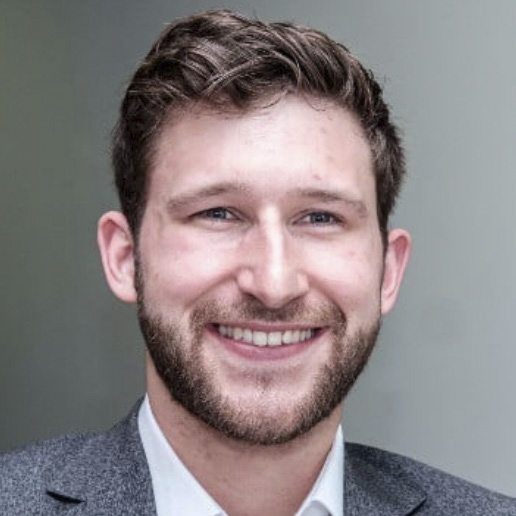
Ben Kaube, Co-Founder, Cassyni
Walk through a university on almost any weekday and you will find the scholarly record in the making. A postdoc is presenting results that will not appear in a paper for another year. A visiting speaker is testing a claim against a room of experts. A conference panel is bringing into the open a disagreement that the published literature has smoothed over.
By the following week, much of this activity is difficult to find. A paper, if one follows, will acquire a DOI, structured metadata and links into library systems, researcher profiles and discovery services. The talk may survive as an unnamed video on a departmental page, a recording in a conference platform or a file in somebody’s cloud storage. It may disappear altogether.
What goes missing is more than a file. A talk lets the speaker explain where an idea came from, why the result matters and what remains uncertain. It can also contain detail, context and caveats that never made it into the paper. The audience questions can be as revealing as the presentation. The live event brings a community together; a recording allows that encounter and discussion to travel. Even an unrecorded talk leaves a scholarly trace worth keeping: who spoke, where, when, and in relation to which research.
Why talks matter now
Researchers use webinars, online seminars and videos as a way into unfamiliar work. Experimental work suggests that video can improve understanding and enjoyment of research. A talk can continue sending people back to the paper after the event ends.
For publishers, convening may matter as much as reach. A live seminar gives researchers a reason to turn up, ask questions, meet editors and peers, and hear about related calls for papers. Talks connect the publisher to the researcher and the community around the work.
For years, a practical obstacle was metadata. It is what turns a recording into a research object: a title and abstract, a persistent identifier, speaker identities and affiliations, event details and links to the research under discussion. A recording also needs captions, a transcript and enough structure to navigate it efficiently. Producing this by hand for every seminar was rarely realistic. At Cassyni, we now use AI to produce most of the record directly from the recording.
AI lowers the cost of description, but it does not decide what should be preserved, under what terms, or who should pay. A speaker may be happy to discuss preliminary work live without wanting that version permanently recorded or citable, or may want a recording released only under embargo once the paper appears. Sometimes the right record is simply that the event happened: who spoke, when, where and about what. Where a recording is preserved, rights, storage and preservation still need to be managed.
Publishers and institutions
My view is that neither publishers nor institutions should try to own this layer alone. Publishers are best placed to connect talks to formal outputs and disciplinary audiences; institutions are best placed to capture the wider research activity around them. Researcher profiles already work this way: institutions, publishers and researchers each contribute different parts of the record. Research talks should be treated similarly.
For publishers and learned societies, the starting point is the paper. They already have the author relationship, identifiers, subject metadata and an existing audience. Author seminars, journal webinars and conference video proceedings follow naturally. Research talks are increasingly becoming part of publishers’ broader researcher engagement strategies. Springer Nature has seminar programmes across subject communities; Cambridge University Press and JMIR Mental Health run journal-linked webinars; and Annual Reviews’ acquisition of Underline Science brings conference and video infrastructure into a journal publisher. The formats differ, but they all extend publishing into the conversations and communities around research.
Some libraries are beginning to preserve and describe talks — seminars, doctoral presentations, visiting lectures, workshops — as research outputs, using repositories and research information systems they already operate. The University of Sheffield deposits recordings from an open-research seminar series and assigns them DOIs. University of Cambridge has infrastructure for both event discovery and preservation: Talks.cam provides a university-wide way to find seminars and events, while Apollo can preserve research outputs including presentations and video. Apollo already contains recorded seminars (including an eight-hour seminar on social change from 1976, later rescued from deteriorating tape!). The broader opportunity is to make preservation and description a routine consequence of scholarly events, rather than a decision made afterwards.
A publisher-led record is strongest around papers and formal conferences; an institution-led record captures a wider range of activity but may lack the disciplinary reach and the direct link to the final paper. How this territory is managed will shape what becomes visible and what researchers receive credit for.
Discovery services are beginning to carry these records beyond the platforms that host them. Inspec now covers conference presentations and multimedia records; Dimensions gives DOI-backed talks full publication records; OpenAlex indexes DOI-backed talk records as works; and Ex Libris makes academic seminar records available through its Central Discovery Index for Primo and Summon.
From recording to record
For talks to be useful in discovery systems, including AI, they need structured records. That means preserving them where appropriate and recording the speaker, event, date and related research. A persistent identifier makes the record citable; transcripts and captions make recordings searchable and accessible.
Crossref already supports typed relationships between research objects, including versions and related material. ORCID can represent conference presentations and moving images. A publisher-created record should reach the author’s institution; a university talk should surface in subject indexes and link to a later paper.
Joined-up infrastructure could increase the use of published work, preserve contributions that now disappear, give researchers credit for more of what they do and offer a richer account of how knowledge develops.
During my PhD, I regularly attended seminars and occasionally gave talks myself. Some of the clearest explanations of research, and some of the sharpest tests of it, happened in those rooms. Once the room emptied, there was rarely a durable record connecting the talk to the speaker or to the research it discussed.
I would like the talk to follow the researcher and the research: from the live room to a recording where one exists; from conference to paper; from publisher to repository; from researcher profile to discovery system. If the systems now being built can do that, research talks could become one of the richest additions to the scholarly record. Otherwise, more research will be recorded without becoming part of the record.