
30 October 2026
Lucy Marr, Library Learning and Development Lead, University of Southampton

Like many academic libraries, we believed mentoring was happening.
People were helping colleagues. Experienced staff were sharing wisdom. Career conversations were taking place. Managers were supporting development.
Yet when we looked more closely, we discovered a different picture.
Although the University of Southampton Library had an established a route to request mentoring, it was almost unused. Since introducing our Career and Skills Development Map, staff had enthusiastically embraced opportunities such as job shadowing and team introductions, but formal mentoring requests simply were not arriving.
At the same time, we knew that mentoring mattered. Across our profession, mentoring is recognised as an important element of professional development, leadership growth and career progression. We were also seeing positive experiences through Research Libraries UK‘s Reciprocal Mentoring Scheme, which demonstrated the value of structured mentoring relationships and learning across different perspectives.
The question was straightforward: if mentoring is valuable, why weren’t people using it?
What we discovered
Through conversations with colleagues, we found that mentoring in our library had become associated with a relatively narrow set of purposes.
When staff talked about mentoring, it was often linked to professional registration, qualification support or preparation for a specific career step. Informal support and advice were common, but these relationships were rarely structured as mentoring and often lacked clear objectives or sustained reflection.
We also identified another challenge. Mentoring was not particularly visible. If you had never experienced mentoring before, it was difficult to imagine what it might offer you. Many staff simply did not see themselves as the sort of person who could benefit from a mentor.
This concerned us because the people least likely to seek mentoring are often those who could benefit most. Staff from less represented backgrounds, people returning from career breaks, colleagues navigating major life transitions or individuals lacking established professional networks, frequently face barriers that structured mentoring could help address.
A different approach
In 2025, after benchmarking and research, we launched a pilot called Meaningful Mentoring.
Rather than simply re-advertising the existing scheme, we deliberately redesigned it.
One of the most significant changes was creating a cohort approach, which enabled us to have a “menu” of mentors. Instead of listing job titles and areas of technical expertise, mentor profiles focused on individual life experiences and diverse perspectives.
Mentors described experiences such as:
- relocating to a new country
- returning to work following parental leave
- managing caring responsibilities
- building confidence in leadership roles
- navigating career change
The aim was to help potential mentees recognise themselves in mentoring opportunities. We wanted staff to think, “That person understands something about my experience”, rather than simply, “That person has a more senior job than me.”
We also broadened the reasons for seeking mentoring. Alongside professional registration and career development, we encouraged mentoring conversations around workplace change, leadership challenges, returning from leave, confidence-building, inclusion and personal growth.
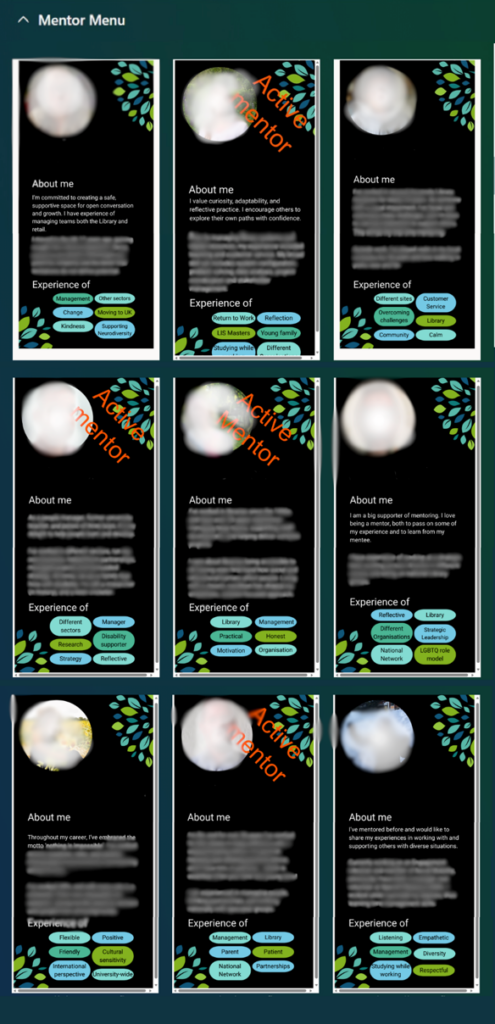
Figure 1 – Meaningful Mentoring tree of mentor skills: Our simple infographic aimed to encourage potential mentors which were beyond the typical management experience. Instead it emphasised transferrable skills, life experience and value of having had to deal with discrimination, which could help someone be a better mentor to others.
What happened?
The pilot attracted ten mentors and five mentoring partnerships, which was exactly the level of participation we had hoped to achieve. All applicants were successfully matched.
More importantly, the feedback was remarkably consistent.
Mentees described increased confidence, greater career clarity, new perspectives and dedicated space for reflection. Some reported taking opportunities they would not otherwise have pursued. Mentors also reported benefits, including stronger listening skills, improved questioning techniques and greater confidence in supporting colleagues.
One participant reflected:
“Without the mentoring, I wouldn’t have taken the opportunities I did take.”
The pilot also generated wider benefits through a set of short learning sessions for mentors. These sessions were opened more widely, attracting participants from across Southern University Libraries (a collaboration of HE institutions in our region), helping to increase sharing of mentoring conversations and skills more broadly.
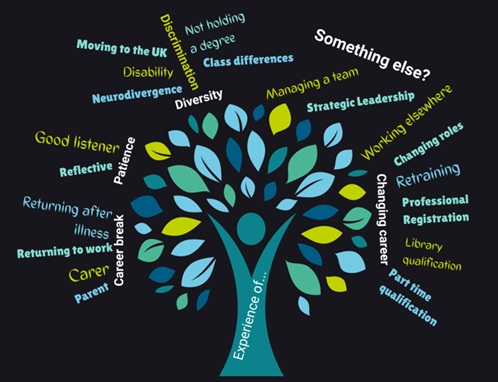
Figure 2- Meaningful Mentoring tree of mentor skills: Our simple infographic aimed to encourage potential mentors which were beyond the typical management experience. Instead it emphasised transferrable skills, life experience and value of having had to deal with
What we learned
Our biggest lesson was that mentoring is not primarily about career progression.
Career development remains important, but mentoring is equally valuable as a space for reflection, confidence-building and navigating change.
We also learned that visibility matters. Staff are much more likely to engage with mentoring when they can clearly see who mentors are, what mentoring involves and how it might relate to their own experiences.
Most importantly, mentoring became something that felt relevant to a wider range of colleagues, not just those pursuing qualifications or preparing for promotion.
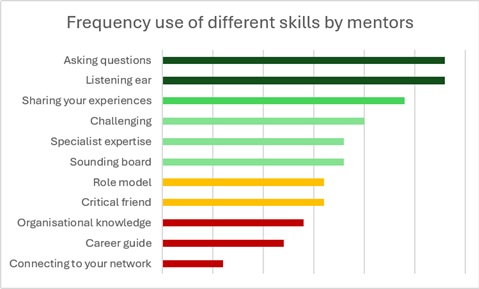
Figure 3- Mentoring skills: Evaluation and feedback were gathered throughout to monitor progress and record impacts. Mentors reported which mentoring skills they were using most as asking questions, providing a listening ear and sharing experiences.
Looking ahead
The pilot has now concluded, and mentoring will continue as part of our learning and development offer. The case studies from the pilot are helping with ongoing promotion, helping mentoring to stays visible and accessible.
Academic libraries are operating in an environment of continual change. We are asking staff to adapt, learn and develop throughout their careers. In that context, mentoring should not be an occasional specialist intervention; it should be a normal part of how we support people to grow.