
3 October 2025
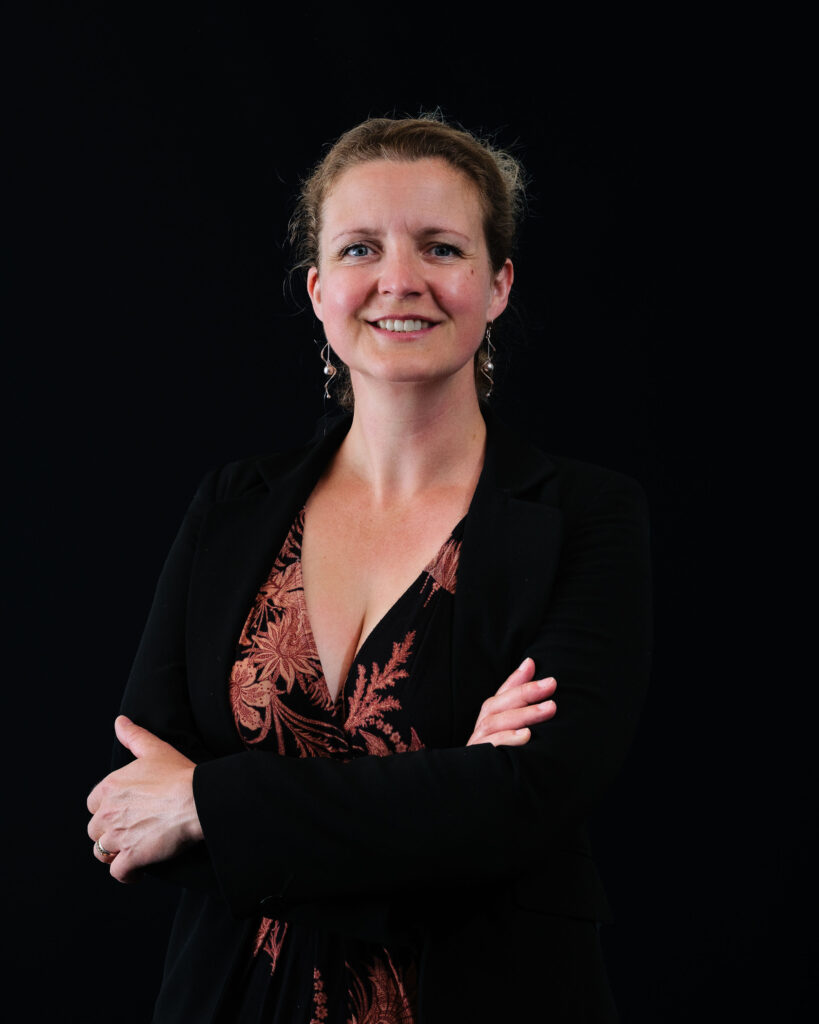
Laura Henderson, Head of Program at Frontiers for Young Minds
Young people today overwhelmingly use online resources to learn, and this trend is sure to continue as an increasing majority of kids carry smartphones from a pre-teen age. As a millennial born in the early 1980s, I and others my age cannot comprehend the impacts of growing up with such technology readily available – nevertheless we must confront and take action upon its consequences. In 2022, 53% of US children had a smartphone by age 11, and in the EU, kids’ daily smartphone use and online time substantially increased from 2010 to 2020.
Online videos, in particular, are the most-used learning materials by K-12 learning groups: up to 82% of European 9- to 16-year olds watch online videos daily. More worryingly within this trend, in a 2023 poll, 56% of 14-18 year-olds said they learn “some” or “a lot” about climate change – perhaps the hottest topic of our world today (pun intended) – from social media videos, particularly YouTube and TikTok.
Misinformation dangers for younger generation
But as we’re all painfully aware, we live in a time of misinformation dubbed the “post-truth era” – the worst examples of which are on unregulated social media. Academics have assessed it as constituting a “major threat to society and public health” and contributing to the erosion of people’s trust in science. Worse still, young children are exposed to this swirling morass of misinformation before they have the capacity or training to judge what is reliable and what is not – though most social media platforms have a required minimum age of 13, almost 40% of children aged 8 to 12 use social media.
Perhaps unsurprisingly, these combined trends of online media-based learning and misinformation spreading freely on social channels, form a major contributing factor to a huge increase in poor mental health in young people. Jonathan Haidt’s recent book “The Anxious Generation” associates the mental health crisis, notably rising since 2010, with smartphone use in young people. If they cannot access good information, but only negative misinformation, this will surely heighten the sense of doom in the age group which Dr. Britt Wray’s research book calls “Generation Dread.”
Wray highlights the key case of climate anxiety – the young feel a paralysing sense of doom, bombarded by bad news of climate change and global crises, and start to believe that no action can make a difference, further reducing their ability to act for improved future outcomes. Wray was part of a research team who surveyed 10,000 young people aged 16-25 in 10 countries to understand this vicious cycle, 56% of whom said they believe humanity is doomed. We are not sufficiently empowering and informing the next generation to take over the badly-needed stewardship of tomorrow’s world.
Action for solutions: open education resources
So what can we do to protect our young people in their online browsing and learning, to ensure that they have access to reliable sources of information, particularly relating to the science fields which they need to understand in order to shape their mindset and decision-making? How can we keep them positively engaged by today’s breakthroughs towards a better planetary future, raising their mental health level and giving them hope, so that they can take informed and socially beneficial steps when they become tomorrow’s voters, activists, policymakers and scientists?
Open education is the key – equitably, freely and digitally accessible, reliable resources which educate positively and include explicit information and recommendations on solutions-focused action. This is gaining recognition and validation as a pedagogical method – providers from UNESCO and OER Commons to BBC Bitesize are sharing free videos as open education resources (OERs), and schools are slowly catching up with the benefits these offer within classrooms.
Thinking bigger, by working with science engagement platforms online we can go even further – providing young learners globally with equal opportunities for direct and active involvement, in order to dispel paralysing anxiety or apathetic disconnection and replace these with lifelong scientific literacy and passion for positive action.
Frontiers for Young Minds: a positive contribution
This is the nexus at which Frontiers for Young Minds provides its unique model: we publish cutting-edge science across the whole of STEMM in one journal, enabling curious young minds to make connections for themselves and eliminating the trickle-down time for inspirational research to get into school textbooks; and then we go further. Each article we publish – re-written into short form from peer-reviewed research by leading academics – is then reviewed and edited by our global network of young students aged 8-15, to ensure that everything is accessible and fun to read for others their own age.
We’ve actively engaged over 10,000 young people from 65 countries since our inception, connecting the Young Reviewers directly with the top scientific researchers who are our Authors, all with the guidance of appointed, expert Science Mentors who work locally with the kids worldwide. The learning the kids take away from being the key part of our peer review process involves not only the science of the article they review, but also a wider understanding of the need for peer review in the scientific process, and for information validation more generally; plus critical thinking and questioning skills which will benefit them all their lives. We believe the addition of active engagement to top-quality resources is an excellent template for the open-education needs of today.
To return, in conclusion, to what our grown-up generations must take action on: we must go beyond undoubtedly important regulations (ongoing globally to protect young people against early social media use and other negative online aspects) and must replace the online resources they can access with fully open, free and top-quality ones, if we are to ensure that our kids are sufficiently empowered take on the challenges of a changing world. By further engaging them actively, we can support the right sort of kid-led, large-scale learning in the online environment of their choosing and – perhaps most importantly – promote a mindset of hope and agency, forming a ripple effect of positive change for tomorrow’s leaders.
Project social links:
X: https://twitter.com/frontyoungminds
FB: https://www.facebook.com/FrontiersForYoungMinds
IG: https://www.instagram.com/frontiersyoungminds/
YouTube: https://www.youtube.com/playlist?list=PLpCH1XIO3lYt_U8ImfILxkOKRWsomY7xH
These views are the authors’ own and do not necessarily reflect the views of UKSG.

This UKSG Editorial is taken from the community newsletter UKSG eNews, published every two weeks exclusively for UKSG members. The newsletter provides up-to-date news of current issues and developments within the global knowledge community.
To enjoy UKSG eNews and other member benefits become a UKSG member.