
The Understanding Resource Discovery seminar aims to expand participants’ knowledge and understanding of the challenges and particularities of a successful discovery experience across different content types, formats, and business models. This year, the Understanding Resource Discovery: Digital Collections seminar will take place over two half-days on Tuesday 17 November 2026 and 18 November 2026.
When
Tuesday, November 17, 2026 – 13:00 GMT
to
Wednesday, November 18, 2026 – 15:15 GMT
Where
Online
United Kingdom
About
Programme
Feedback
Registration
Contact
Share
About the Event
Registration
UKSG membership rate: £70+VAT
Non-membership rate: £82.00+VAT
Details of membership can be found at https://www.uksg.org/join
Event Summary
Across the library and information service landscape, the first quarter of the 21st century has brought a gradual shift towards creating digital collections. These digital collections, which originate from digitalisation projects, institutional repositories, or non-commercial publishing initiatives, co-exist with other library holdings which are subscribed to or purchased.
With pressure on library budgets and shrinking library teams, digital collections could help libraries continue fulfilling their role in supporting research and learning. Digital collections provide unmediated access to known or unknown content Special Collections, manuscripts, maps, theses, academic articles, and out-of-copyright monographs, OER, OA, etc
This seminar will shed light on ongoing work across the sector to improve the discoverability of Digital Collections. Discoverability rests on 4 pillars: metadata, linkability, UI, and data integration. Taking this into account, this seminar will explore libraries’ experiences in managing their digital collections.
Who should attend
This course is valuable to anyone dealing with digital content in libraries, content providers and intermediaries in the information chain.
Both days will be recorded and available for playback on demand post event for registered delegates.
We welcome participants from all corners of the globe to join our seminars, however speakers and topics are generally UK focussed, if you have any doubt about the suitability please don’t hesitate to contact us.
Course level and previous knowledge required
While this seminar does not provide detailed technical solutions to specific problems, it builds a deeper understanding of why related practices and technologies have developed into their current state. It is suitable for anyone working with digital collections in general or those managing departments responsible for building and maintaining digital collections.
If you are an early-career professional or new to the discovery area, it may be worth attending the UKSG Introduction to E-Resources and/or An Introduction to Resource Discovery first. Otherwise, no previous knowledge is required.
Learning Objectives
Delegates will:
- Understand the various types of Digital Collections and the discovery journey
- Understand the library’s role in the discoverability of Digital Collections
- Understand the common problems and limitations in library technology related to the discovery of Digital Collections.
Attendee Information
The webinar tool we use is Go to Webinar. To test your system ahead of time visit https://support.goto.com/webinar/system-check-attendee
Accessibility
UKSG wants to provide the best possible experience for all our delegates, making presentations as accessible and inclusive as possible.
Our intention were possible is to strongly encourage our speakers to provide auto generated closed captioning for both live and recorded events as well as to make sure their slides as easy as possible for all people to read. In addition we can provide auto generated transcripts post event for each of the recorded sessions.
If you have particular accessibility needs or questions about this seminar/webinar, we welcome you to contact events@uksg.org
Recording
The sessions will be recorded and available to all registered delegates only after the event, so if you unable to join us live or want to review any presentation this will be available.
Programme
- Day 1 – 17 November
- Day 2 – 18 November
Time
Programme
Speakers
13:00
Introduction & welcome
All times stated are GMT
.
.
13:15
Connecting Hidden Histories: Creating new discovery pathways for the LSE Suffrage Interviews
Reimagining collections as part of a wider network of people, organisations, events and ideas can propel them from institutional visibility to global discoverability. This case study explores the transformation of metadata for a unique oral history collection into linked open data using Wikidata. Following the journey through metadata reconciliation, enrichment and visualisation, it demonstrates how connected metadata can create new routes for discovery through SPARQL queries and Wikimedia platforms, while surfacing underrepresented individuals. It concludes with practical considerations and benefits of making digital collections more discoverable within the broader knowledge ecosystem
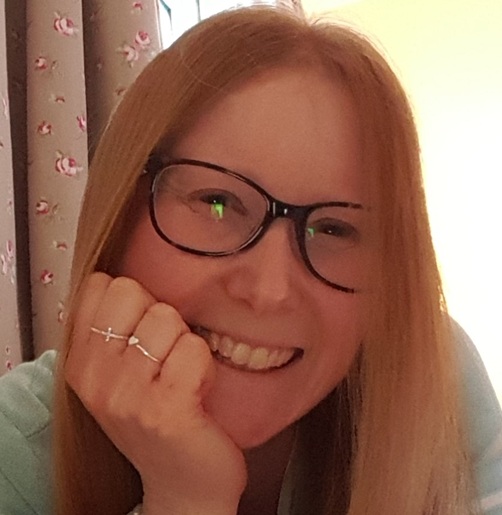
Helen Williams
LSE Library, London School of Economics and Political Science
See Biography
Helen Williams is the Metadata Manager at LSE Library, with responsibility for metadata relating to library collections and institutional research outputs. Her work focuses on developing innovative approaches to metadata that support research, learning and teaching, including linked data, open metadata and research visibility. In 2025 she appointed LSE’s Wikimedian in Residence to work within the Metadata team on improving the visibility and discoverability of institutional research and collections. Helen has contributed to national and international metadata initiatives, published articles and conference papers, and regularly collaborates with metadata practitioners in the UK and beyond.
13:55
Digital repositories as open infrastructure for scholarly resource discovery
Digital repositories have become a key enabling technology within GLAMR sectors and have come to dominate the digital service offering of many organisations. Repositories are beneficial services in which digital content can be ingested, stored, and managed, affording considerable discovery advantages to authors, institutions, and their users. This contribution will provide a brief background to repositories, their emergence, and their typical technical characteristics. Focusing on open scholarly repositories as a case study, the session will explore the concept of repositories as components of open scholarly infrastructure and their role in enabling resource discovery, open scholarship, and data intensive services. Challenges confronting repositories will also be considered, notably matters of sustainability and the impact of LLMs on repository ecosystems.
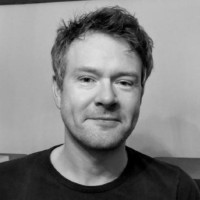
George Macgregor
University of Glasgow
See Biography
| Dr George Macgregor is currently ‘Assistant Director, Digital Library’, based within Information Services at the University of Glasgow. George works and leads on repository and digital library developments while also supporting activities within research discovery, open research, and digital scholarship. He is also a Wikipedian and an advocate of the knowledge commons. Prior to joining the University of Glasgow, George held academic and practitioner positions at several UK HEIs, including as a Research Fellow at the Centre for Digital Library Research, Senior Lecturer in Information Management & Systems at Liverpool John Moores University, and as Open Repository Manager & Technologist at the University of Strathclyde. He has a PhD in Computer & Information Sciences, specialising in resource discovery and information retrieval |
14:35
Break
14:45
Taking action in Europe: Open Textbook Discoverability
Libraries globally find it difficult to provide learning materials which are value for money, sustainable, and offer long term access. Open Educational Resources, and open textbooks specifically, are one solution. For open textbooks to become widespread there are various obstacles to overcome. There are concerns around the quality of open textbooks (there is an assumption that commercially-published material is always better quality), and we struggle to find open textbooks.
Members of the LIBER Educational Resources Working Group outline the work that is taking place to address some of these issues, and how our own institutions are taking steps to improve the discoverability of open textbooks.
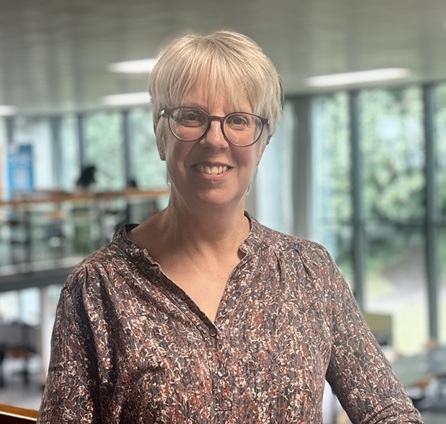
Helen Moore
University of Sheffield
See Biography
| Helen is Faculty Librarian for Engineering & Science at the University of Sheffield. She is a keen advocate of OER and leads the University’s work in this area, co-chairing the University’s OER Steering Group. Helen is a member of the LIBER Educational Resources Working Group (https://libereurope.eu/working-group/liber-educational-resources-working-group/) and is a member of the advisory group for the Open Education Network’s OER Community of Practice for the UK and Ireland (https://sites.google.com/umn.edu/oer-community-uk-ireland |
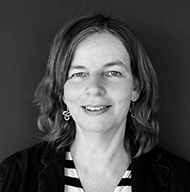
Tamara Pianos
ZBW – Leibniz Information Centre for Economics
See Biography
mara is the head of information provision and access at the ZBW – Leibniz Information Centre for Economics. She started working for ZBW in 2005. Her responsibilities are the product management of the portal EconBiz and information literacy topics. In this context, Open Educational Resources (OER) as well as Open Science become more important to her work in order to improve access to quality information for all users. Another important part of her work is the cooperation with international partner institutions. Tamara received her PhD in Canadian Studies at Kiel University.
https://www.zbw.eu/en/about-us/staff-profiles/profile-dr-tamara-pianos
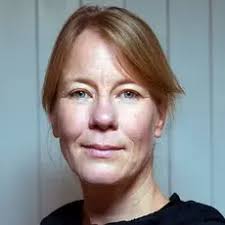
Nicole Kruger
ZHAW Zurich University of Applied Sciences, University Library
See Biography
Nicole Krüger is Librarian and M.A. in European Philosophy. Since 2020 she is Open Science Professional in Open Educational Resources (OER) and Open Access at ZHAW, Zurich University of Applied Sciences, University Library.
Nicole Krüger is co-chair of the Swiss Special Interest Group, SIG OER, member of the LIBER Working Group Educational Resources, and member of the Austrian Advisory Board for the OER accreditation of Austrian universities and teaching staff.
15:25
Summary and Close
Time
Programme
Speakers
13:00
Welcome and Introduction
13:05
Unlocking the Archive: Using AI to Extract Data and Improve Discovery
As digitized archival collections grow, transforming scanned materials into accessible, data-rich records becomes increasingly important. This presentation demonstrates how generative AI can be used to safely support metadata extraction from historical materials through various workflow models depending on the material and the level of AI involvement desired. Emphasizing a human-in-the-loop approach, the project builds on librarians’ existing skills in description, data management, and quality control. Attendees will learn how AI-assisted workflows can expand metadata creation, improve discovery and access, and maintain professional oversight throughout the process.
Aaron Pahl
University of Alabama at Birmingham
See Biography
Aaron Pahl is the Digital Curation Librarian at the University of Alabama at Birmingham (UAB) Libraries, where he works to preserve digital materials and expand access to UAB’s scholarly, historical, and institutional record. His interests include digital collections, metadata creation, data transformation, and sustainable approaches to long-term access. He explores practical applications of artificial intelligence and automation in library and archival workflows, with an emphasis on human oversight and responsible implementation. His work focuses on building upon librarians’ existing expertise to improve discovery, strengthen data stewardship, and create new opportunities for research and digital scholarship.
13:35
Flipping the workflow: Crosswalking OER metadata for discovery
Open educational resources (OER) are often difficult to find because they sit outside traditional acquisitions workflows and lack standardized metadata. To address these challenges, librarians at Georgia Southern University (USA) restructured cataloging processes by first describing OER in the institutional repository using a hybrid metadata schema based on IEEE LOM, then crosswalking these records to MARC 21. This session explores the cross-departmental collaborations, cataloging practices, and workflows that support discovery of Georgia Southern’s growing catalog of OER. Presenters offer practical insights for repository managers and catalogers looking to improve OER discoverability.
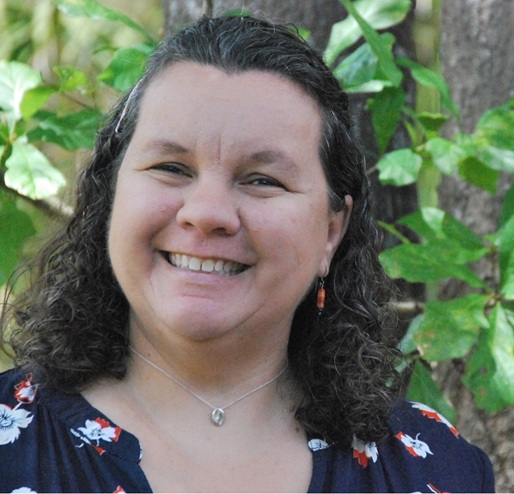
Dawn “Nikki” Cannon-Rech
See Biography
As the Sustainability Librarian, Nikki works closely with faculty helping them explore Open Educational Resources (OER) as options for their courses.
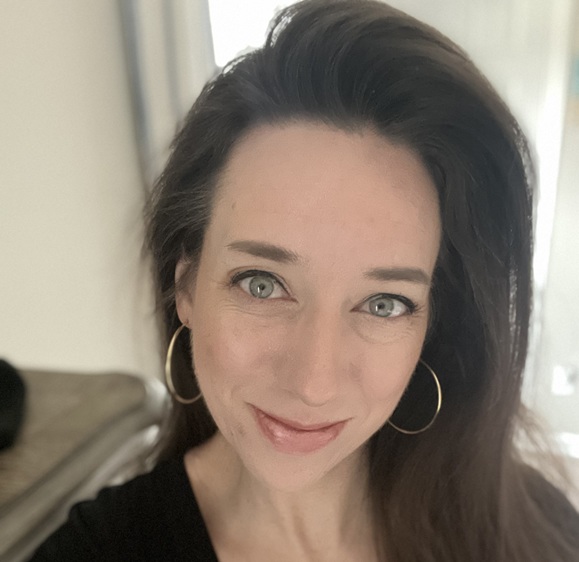
Rebecca Hunnicutt
See Biography
Rebecca Hunnicutt, Associate Professor is the Collections Management librarian at Georgia Southern University (USA). Rebecca leads the cataloging team in cataloging, collections maintenance and projects, and works to ensure discoverability of physical and electronic resources. Her scholarship revolves around cataloging, collection management and resource discoverability.
Jeffrey M Mortimore
See Biography
Jeffrey Mortimore is Digital Scholarship Librarian and Professor at Georgia Southern University (USA). Jeff oversees Georgia Southern’s institutional repository, current research information management system (CRIS), and research data management and curation services. Jeff’s research interests span library technical services’ public service role; technical and public service collaboration; proactive and reactive technical service troubleshooting; patron-led content creation; creation, hosting, and discovery of open educational resources (OER); and technical service assessment.
14:15
Break
14:25
One Search Box, Many Systems: Designing a “Wide Search” for Archival Discovery
How can archives support people with no archival training? The University of Michigan’s Bentley Historical Library and Studio Pence are creating a single “wide” search box in a redesigned WordPress site. It retrieves results across disconnected systems, including ArcLight, Blacklight, LibGuides, digital collections, DSpace, Archive-It, Kaltura, legacy databases, and site content. We’ll explain how user confusion pushed us beyond two partial search boxes toward unified discovery. The session covers defining an ideal experience, inventorying sources, designing and labeling results, and addressing APIs, metadata mismatches, restrictions, ranking, deduplication, and validation through prototypes and user testing
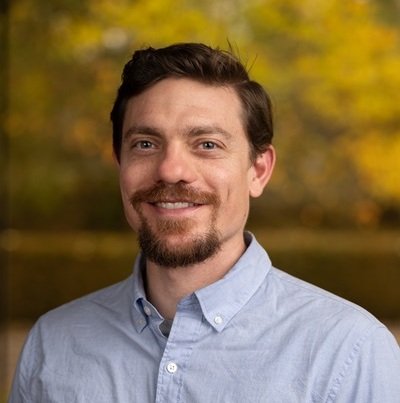
Max Eckard
Bentley Historical Library, University of Michigan
See Biography
Max Eckard, he/him, is the Associate Director for Curation at the Bentley Historical Library at the University of Michigan. He leads the Bentley’s holistic approach to curating archives of all genres and formats, including preservation and access for ~435 TBs of born-digital and digitized collections. He also provides strategic vision for the development, maintenance, and integration of their technical ecosystem, which includes ArchivesSpace, Archivematica, DSpace, Kaltura, Archive-IT, Aeon, and other digital collection and newspaper platforms
Lara Zielin
Bentley Historical Library, University of Michigan
See Biography
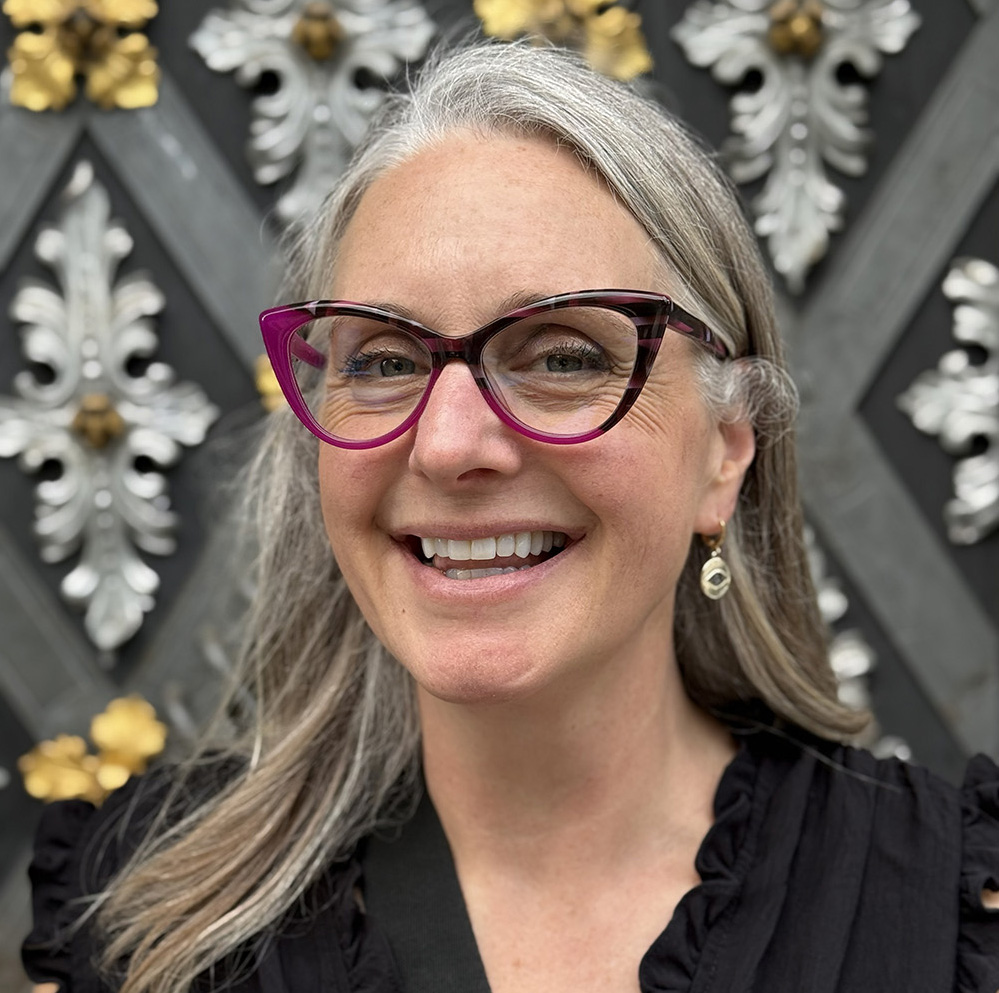
Lara Zielin is the Associate Director of Marketing and Communications at the Bentley Historical Library. Twice each year she produces the library’s award-winning magazine, Collections, while also overseeing the library’s social media and digital storytelling efforts. She currently serves as an editorial board member for the Journal of Advancement, Communication, and Development in Academic Libraries.
Brandon Pence
Studio Pence
See Biography
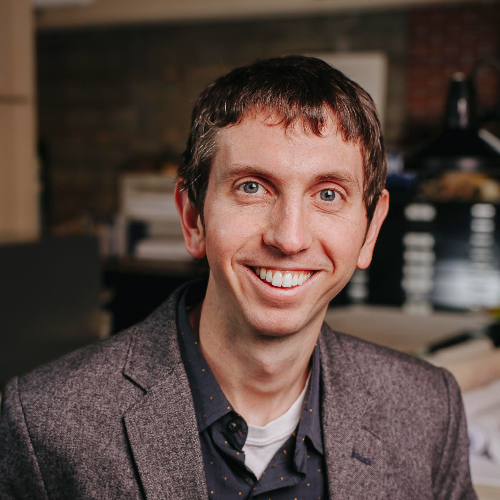
Brandon Pence (he/him) is the founder of Studio Pence, where he directs website strategy, design, and development for organizations with complex content and technical ecosystems. He has led digital initiatives for higher education, public sector, and mission-driven organizations, specializing in design-forward web experiences that bring structure, clarity, and usability to layered systems and expansive bodies of content. His work centers on information architecture, user experience, accessibility, and the translation of institutional complexity into more intuitive, approachable online experiences.
15:05
Summary and Close
Registration
£ 70.00
+14.00 VAT
Member
£ 82.00
+16.40 VAT
Non-Member
NB: UKSG reserves the right to alter or vary the programme due to events or circumstances beyond its reasonable control without being obliged to refund monies.
Contact
General queries – events@uksg.org
Please take a look at our code of conduct
Cancellations
The closing date for cancellations is Friday 30th October, after which date cancellations will not be eligible for a refund. Cancellation should be sent into writing to events@uksg.org.
All registrants will be sent a link to the recording after the event for their personal viewing.
The UKSG terms and conditions can be found here