
Programme
Speaker
Group A
Is your research systems infrastructure fit for purpose?
Guidance for the 2029 REF will be formally finalised in 2026. A final version The UKRI research data policy is expected in 2026. These policies, related technology issues including AI, funding concerns and the wider digital transformation agenda impact a university’s research system infrastructure.
Librarians have taken a significant role especially in terms systems to manage open science policies and open access. But this is just part of the picture. Other university departments manage and support a variety of major solutions. Furthermore the research systems infrastructure must interoperate with a range of university admin solutions as well as external systems. Based on his work with universities and vendors, Ken will outline the challenges and opportunities and analyse market trends for solutions particularly as providers try to develop a more integrated and interoperable research system environment
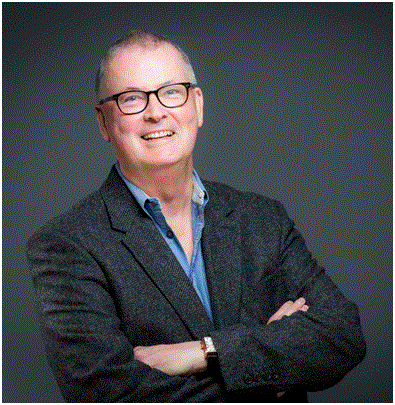
Ken Chad
Ken Chad Consulting
Biography
Ken works with universities, libraries, archives, local and central government, the NHS, sector bodies and businesses to help with strategy, understanding needs, business models, value propositions, user experience and innovation. He also reviews services and helps evaluate and procure new technology solutions. In 2025, in partnership with Helen Anderson Consulting, he set up a new AI initiative – ‘AkroNova’ – to provide effective user insights quickly and economically. Ken has published widely including a number of free, open access library technology ‘Briefing Papers’. He also manages Higher Education Library Technology a free, open community, open data resource.
Han Solo Needs a Hug: What Fandom Communities Can Teach Scholarly Publishing
Scholarly publishing is broken. Despite decades of critique and the promise of Open Access, we still have a system characterised by gatekeeping, inequity, and rigid formats that exclude innovation and marginalised voices. What if the solution doesn’t lie in tweaking existing models, but in learning from an entirely different community that has already solved many of these problems – and just happens to involve a lot of people writing stories about Yoda, James T. Kirk and Buffy the Vampire Slayer?
Archive of Our Own (AO3) is a community-run digital repository hosting over 15 million works of fanfiction. Entirely open access, powered by volunteers, run on donations, and built on open-source principles, it demonstrates what’s possible when platforms are designed by and for their communities rather than for commercial profit.
This session will introduce AO3 and some of its innovative features: from its flexible ‘folksonomy’ tagging system that lets users create wonderfully descriptive and specific tags like “Han Solo Needs a Hug” while maintaining discoverability through smart metadata mapping, to its multiple peer review models, support for diverse content formats, and non-hierarchical recognition systems.
You don’t need to know anything about fanfiction to engage with this session. What you do need is curiosity and a willingness to consider what internet fandom can teach us: how to transform scholarly communication from a gatekept, hierarchical system into a collaborative, community-led ecosystem that actually serves scholars, libraries, and the public, rather than corporate shareholders.
Help us, fandom, you’re our only hope.
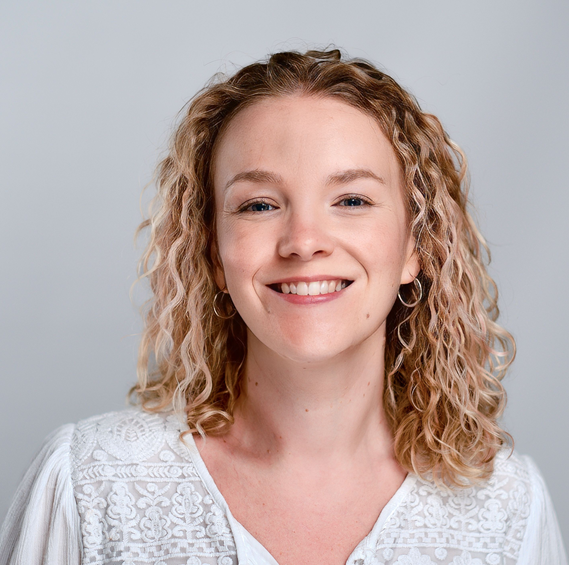
Caroline Ball
Open Book Collective
Biography
Caroline Ball is the Community Engagement Lead for the Open Book Collective, and has previously worked as an academic librarian, copyright and licensing advisor, and lecturer in publishing. Her research interests centre on knowledge equity, information ethics, and democratisation of access to information and learning opportunities, focusing particularly on systemic barriers and biases in dominant knowledge systems. She is also an active Wikipedian, was awarded the UK Wikimedian of the Year award in 2020 and currently serves on the Wikimedia UK board of trustees.
Looking back to look forward – what is the real-world impact of open access on our libraries?
Based on ongoing PhD research into the effects that the rapid shift to open access has had on libraries and services, this breakout will discuss some of the initial results gathered from 25 library research support teams in the UK. It will look at both the role of the university library in the growth of open access in the UK, and the impact of the REF open access policy on services and the way they run. This research into the shift to open in real terms seeks to demonstrate what we can learn from looking to the past to influence our future
Kirsty Wallis
University College London
Biography
Kirsty is currently Head of Research Liaison in UCL Library services where she leads the day-to-day running of the Office for Open Science and Scholarship, coordinating activity and advocacy across all aspects of open science. Kirsty is also a part-time PhD student in UCL’s Department of Information Studies, where she is researching the evolution of research support services in Libraries and the effect the shifting policy landscape around Open Access has had over time.
Community-built Trust in Turbulent Times: How ORCID, Jisc & UK institutions support Research Integrity and Collaboration
Given the rapid changes and multiple pressures on academic research; the need to embrace community-supported solutions that foster research integrity, credit institutions and researchers with their contributions, and facilitate global collaboration, is stronger than ever.
Presented by ORCID & Jisc, with further insights from an information professional at the University of Glasgow, we will explore:
– How the UK ORCID Consortium (led by Jisc) has scaled institutional adoption and best practices for use of ORCID
– Why institutional adoption of ORCID is critical to research integrity, scholarly communications, and global collaboration
– What are some of the insights and lessons learned from the library team at a leading UK research institution when implementing ORCID in systems & workflows
.
Shivendra Naidoo
ORCID
Biography
With over a decade of experience working in the Academic Publishing and Educational Technology industries, Shivendra is passionate about supporting Research and Scholarly Communications. He holds a BSc in Physics with Astrophysics, and postgraduate qualifications in Business, and Accounting & Finance. As an Engagement Manager at ORCID in the Global Direct Members team, Shivendra focuses on growing member & integration adoption; as well as collaborations with Vendors, Service Providers and Publishers who serve the wider research community.
Liz Bal
Jisc
Biography
Liz leads Jisc’s research management product strategy, with a focus on building open and interoperable datasets and services that enable better outcomes for research – driving efficiency, transparency, and collaboration across the sector.
With a background in biology, Liz began her career in academic publishing, gaining expertise in open access and open research practices. This experience sparked her interest in improving the way information flows across the research ecosystem. At Jisc, she brings this perspective to developing data and infrastructure that support the research sector in navigating an evolving policy, funding, and digital landscape
Alastair Arthur
University of Glasgow
Biography
Alastair is a Research Information Administrator in the Research Information Management Team within Information Services at the University of Glasgow. His work with researchers across the University involves facilitating open research, encouraging the adoption of good research practice (such as using persistent identifiers like ORCID), supporting compliance with research funder open access and data sharing requirements. He is also responsible for the administration of research outcomes reporting to funders to demonstrate compliance with these requirements. Alastair has a MA in Politics and Economics from the University of Glasgow and a MSc in Information and Library Studies from Robert Gordon University
Beyond borders: education equity through open education Resources (OER)
This paper will examine the potential of Open Educational Resources (OER) for the promotion of educational social justice, with a particular focus on higher education. The paper will also explore how open knowledge can serve as a catalyst for global equity, collaboration, and innovation in education. It will examine how OER transcends traditional barriers such as geographic, linguistic, economic, and institutional barriers, to create a more just and inclusive learning landscape. It will focus on the evolving role of academic libraries as enablers of equitable access to knowledge and lifelong learning. Framed within the principles of inclusivity and openness. The discussion will situate OER within the broader global movement for educational equity as advanced by the International Federation of Library Associations and Institutions (IFLA) and aligned with the United Nations Sustainable Development Goal 4 (Quality Education).
Drawing on case studies, from a Ghanaian and UK universities. The paper will examine how educators, researchers, students and institutions across diverse regions are leveraging OER to co-create content, decentralise knowledge authority and amplify underrepresented perspectives. It will also explore how OER supports decolonising curricula, expand lifelong learning opportunities and foster sustainable knowledge ecosystems that are adaptable across borders and disciplines.
The paper will further explore how academic libraries are responding to systemic challenges such as resource limitations, textbook scarcity and digital inequities to highlight initiatives through which libraries will localise open content, support faculty in OER adoption, and influence institutional and national policies to democratise education.
The paper will also reflect on the anticipated impact of regional collaborators, particularly with the African Library and Information Associations and Institution (AfLIA) and UNESCO–led OER frameworks. Based on the outcomes of this research, the paper will call for a renewed commitment from the global library community to scale up OER advocacy, invest in capacity development and strengthen cross-border partnerships. It will argue that such effects will be critical for building inclusive and sustainable knowledge societies where learning truly knows no.
Mac-Anthony Cobblah
University of Cape Coast
Biography
Dr. Mac-Anthony Cobblah has a PhD in Information Science and a regular speaker at the UKSG
Conference. He has a strong background in Open Science and Digital Scholarship. He brings on
board perspectives and insights from African continent to UKSG Conferences. Dr. Cobblah is
currently the University Librarian of the University of Cape Coast, Ghana Vice President, Africa
Library Association and Institutions (AfLIA); Chair, Governing Council of the Consortium of
Academic and Research Libraries in Ghana (CARLIGH)
He is also a member of the Advisory Board, DOAJ and the Licensing Coordinator of EIFL for
Gloria Tachie-Donkor
University of Cape Coast
Biography
TBC
Josh Sendall
University of Leeds
Biography
TBC.
Panels with purpose: the art of graphic storytelling in library engagement
Ciara Murray
Lancaster University
Biography
Ciara is Faculty Librarian for Humanities, Arts and Social Sciences at Lancaster University, working in the teaching and engagement team to promote library content; she also teaches library research skills for the Law School. Previously she was Librarian at Queen Elizabeth’s School in Barnet, where she set up a library from scratch and witnessed first-hand the pulling power of graphic novels. Professional interests are information literacy, engagement, and student experience. She is also a keen gardener, folk musician, lifelong reader, and firm believer that access to libraries – and librarians – improves lives.
Gem Sosnowsky
Lancaster University
Biography
Lizzie McCauley is a UX and accessibility specialist, working at the Open University Library. With a background that also includes content and marketing, Lizzie brings diverse experience to the role. She is responsible for the usability and accessibility of Library sites and systems, and incorporates digital sustainability and EDI initiatives into this work
Library-led hosting and publishing: How it started and how it’s going
As diamond OA continues to develop – in funding mandates, institutional policies and publishing – so too does library involvement. Libraries are ideally positioned to support academics and researchers by facilitating diamond OA hosting and publishing, but how does this look in practice and how can we ensure lasting sustainability?
Join us to find out how four UK libraries are doing just that. We’ll discuss: setup and continuity; growth; non-traditional outputs; challenges; ‘the prestige problem’, and more. Come and learn about the variety of scope for library open hosting and publishing, and how libraries can work together to support diamond OA
Rebecca Wojturska
University of Edinburgh
Biography
Rebecca Wojturska (she/her) is the Open Access Publishing Officer at the University of Edinburgh, responsible for managing Edinburgh Diamond: the Library Publishing Partner for Diamond Open Access books and journals created by UoE academics, professional staff and students. Rebecca is also the co-lead of ALPSP Library Publishing SIG and a board member of: JEAHIL; Journal of Information Literacy; the Library Publishing Curriculum, the Open Institutional Publishing Association; the Open Journals Collective; and the PKP Members Committee. In her spare time she loves reading Gothic literature, watching horror films, playing D&D, and crushing her enemies at board games.
Sarah Humphreys
Bodleian Libraries
Biography
An avid hiker and reader Sarah is a relative newcomer to open. She has been working in the field since 2018 and became Open Scholarship Librarian in 2021. Working with a team of experts on all things open at Oxford University and facing the challenges and opportunities that such a research intensive institution can offer.
Cath Dishman
Liverpool John Moores University
Biography
Cath is the Open Research Librarian (Scholarly Communications) at Liverpool John Moores University. She takes the lead for open access advocacy at LJMU and manages the institutional repository and open journals service. Cath has over 25 years’ experience in libraries in a range of roles from academic services, customer services, user support and most recently research support. Cath is also the Chair of CILIP’s Library and Information Research Group (LIRG) and Co-Chair of the ALPSP Library Publishing Special Interest Group
Tom Morley
Lancaster University
Biography
Tom is currently undertaking a secondment as the Research Culture and Open Monographs Lead at Lancaster University Library. Within this role he leads and coordinates programmes of activity to develop an Open Research Culture as well as exploring options to facilitate open monograph publishing. In his substantive post he works across the areas of Open Access, Research Intelligence and Research Data Management to coordinate and deliver a range of projects, services and initiatives as an Open Research Officer. Tom is also co-editor of the UKSG e-News,
Group B
How Jisc implemented a publisher equity framework evaluation over multiple open access agreements
The How Equitable Is It? framework, developed by cOAlition S, Jisc and PLOS, provides a structured approach to evaluating publisher proposals against the principles of inclusivity and transparency in addition to open research practices.
In this session, we will share how Jisc applied the framework to multiple open access agreements, scoring agreements across 7 criteria. We will demonstrate how by working with publishers our evaluations informed negotiations, giving institutions and publishers a more holistic view of a publisher’s offer including progress over time. Finally, we will introduce a dashboard – designed to make our evaluations accessible and actionable for libraries and consortia.
Daniel Spence
Jisc
Biography
Spence is a business intelligence analyst from Jisc’s Licensing team. He specialises in preparing and visualising data to support Jisc’s work, such as negotiations with publishers and software vendors. Before Jisc he gained experience with things like trusted research environments, collection management, reading lists, and inter-library loans for the research and higher education sectors
Caroline Mackay
Jisc
Biography
Caroline is a licensing manager within Jisc’s research licensing portfolio. She has negotiated a range of licensed content more recently specialising in diamond open access and supporter membership agreements. Currently her priorities are highlighting essential open infrastructure to support and applying cOAlitionS’ How Equitable is it framework to Jisc’s open access agreements.
Leveraging Open Data to Evaluate Publisher Agreements: A Transparent Approach to Scholarly Communication
As institutions navigate increasingly complex negotiations with academic publishers, the need for transparent, data-driven decision-making has never been greater. This talk explores how open data sources and methodologies can be harnessed to critically assess publisher offers and agreements. This is achieved through enhancing and validating existing datasets and enabling comparisons across multifaceted deals. We also discuss the benefits and limitations of using open infrastructures and reproducible workflows in this context, and how these approaches can empower libraries and consortia to negotiate more effectively and transparently.
Charlotte Pinder
Jisc
Biography
Charlotte is a Senior Business Intelligence Analyst from the Licensing team at Jisc. She specialises in supporting Licensing’s content and software negotiations with data informed intelligence and insights. Previous to Jisc she has experience of providing bibliometric support in a higher education library.
Bethany Harris
Jisc
Biography
Beth is a Principal Business Intelligence Analyst from the Licensing team at Jisc. She leads the Business Intelligence team to deliver successful data support for content and software negotiations, and provides data and analytics to monitor and assess value and impact.
UWTSD Birmingham & GenAI: Are we STILL in this together?
more details to follow
Olivia Edmonds
University of Wales Trinity St David
Biography
Olivia is currently an Academic Liaison Librarian at the University of Wales Trinity St David (Birmingham) Prior to that, she was a former Secondary English teacher of 10+ years and former Learning Resources Manager at Sixth Form level for 6 years. Her areas of interest include equality, diversity, and inclusion; digital accessibility and the use of Generative AI to support students and staff in a higher education context.
Assembling an Ecosystem around OER Publishing, Discovery and Adoption
This session will explore how Leeds University Libraries is working with partners Sylla and Pressbooks to support the creation, publication, discovery and adoption of Open Educational Resources (OERs). The University Libraries aim to provide all students with their reading list materials. Their approach to OERs is informed by the University’s commitment as a founding member of the Knowledge Equity Network to open and collaborative practices in knowledge creation and dissemination. The panelists will share how they are collaborating to broaden the use of OERs to improve access to relevant, inclusive learning materials in a cost-effective way.
Tom Mosterd
Sylla
Biography
Tom Mosterd is one of the co-founders of Sylla. He has worked for nearly a decade on supporting Higher Education – and libraries in the transition towards Open Science & Open Education. At Sylla, Tom works closely with its libraries and partners in HigherEd on advancing open and affordable learning for all.
Başak Büyükçelen
Pressbooks
Biography
Başak Büyükçelen is the Chief Executive Officer of Pressbooks, an open-source digital publishing platform widely used in higher education to create and share interactive learning and scholarly materials. Başak leads Pressbooks in advancing open-source digital publishing solutions that support teaching and learning. With more than a decade of experience in organizational leadership and strategy, she brings a global perspective shaped by cross-cultural collaboration and speaks four languages.
Jane Saunders
University of Leeds
Biography
To follow
Kirstine McDermid
University of Leeds
Biography
To follow
Knowledge Under Attack: Defending Research in an Era of Censorship
Since February 2025, US authorities have systematically removed, modified and censored research data, affecting global access to public health, climate science, and social research. This session examines these developments through three perspectives:
findings from a scoping study mapping types and patterns of knowledge censorship;
insights from the Defend Research movement mobilising international resistance; and
the experience of a US library leader navigating compliance pressures whilst upholding institutional mission. Attendees will understand the scale of these changes, learn about coordinated responses, and explore implications for information professionals worldwide, including practical actions our community can take to counter censorship
Rob Johnson
Research Consulting
Biography
Rob Johnson is the Managing Director of Research Consulting, a mission-driven business which works to improve the effectiveness and impact of research and scholarly communication. He began his career with KPMG, the international professional services firm, before working in a senior research management role at the University of Nottingham. Since founding Research Consulting in 2013 he has led more than 150 projects in the fields of research and scholarly communication. Rob is Vice Chair of UKSG, a Fellow of the Institute of Chartered Accountants in England and Wales and holds an MSc in Higher Education Management from Loughborough University.
Sara Rouhi
DefendResearch.org
Biography
Sara Rouhi is a co-author of the 2025 Declaration to #DefendResearch from US Govt Censorship, released Feb 13, 2025. With 15 years of experience in scholarly publishing, she has undergraduate and graduate degrees in political science and political theory. She brings a social science lens to the challenges of building an open science future in a shifting socio-political landscape, one very much under financial, legal, and governmental pressure. Her scholarly publishing work primarily focuses on making access to knowledge creation as sustainably open as possible by exploring partnership and non-traditional business models to enable greater participation in knowledge creation. Sara’s work with DefendResearch.org is done privately and has no relationship with her employer.
In February 2025 she joined with Lisa Schiff, Catherine Mitchell, Alice Meadows, and Peter Suber as a co-author of the Declaration to #DefendResearch Against US Government Censorship. The DefendResearch.org group is dedicated to educating the public on the dangers of censorship in science. The website includes testimonials from researchers, toolkits for lobbying and educating in local communities, and resources around data rescue and cataloging of public statements/positions that #DefendResearch against government attack. Follow the team @DefendResearch.bsky.social and Sara, herself, @RouhiRoo.bsky.social on Bluesky
Doug Way
Biography
Doug Way is the Dean of Libraries and William T. Young Endowed Chair at the University of Kentucky. He has previously held positions at the University of Wisconsin Madison and Grand Valley State University. Doug has written and presented widely on topics related to the use and management of library collections and scholarly communications. He has a bachelor’s degree from Grand Valley State University and a Master’s degree from Wayne State University
‘I Got 99 Problems and Researchers are Number 1’: My failed attempts to convert and wrestle researchers from their ‘top’ commercial open access publishing options
Open access advocates across the scholarly communications landscape shout loudly to encourage researchers to think more widely about where they publish. Yet, those on the ‘coalface’ of open access advocacy often see researcher colleagues gravitate towards the same commercial places to publish.
How can we change advocacy so researchers value ‘other’ options? How do we help authors see the truth behind trawling emails? How can we dismantle dependence on ‘routine’ publishing options? This will be an honest discussion on failures encountered, frustrations of open access advocacy, ways to avoid advocacy fatigue and routes to staying positive about openness, when you frequently fail
Katherine Stephan
Liverpool John Moores University
Biography
Katherine Stephan is the Open Research Librarian (Development) at Liverpool John Moores University in Liverpool, United Kingdom. She is an advocate for open research, responsible metrics, and author choice in publishing. She is the co-organiser of Open Research Week with Liverpool, Edge Hill and Essex Universities. She is a member of the UKSG Outreach and Engagement Subcommittee and is the librarian member of Think.Check.Submit. A keen gig goer, most years Katherine goes to more gigs than her age. Inconceivably, she has seen Liverpool legend Michael Head 37 times, with Bill Ryder-Jones a distant second
Diversifying Library Collections: Planning for Change
This session explores how to move from a commitment to authentically representing missing voices and perspectives from your library collection, to real, actionable steps that can address Diversity, Equity, and Inclusion (DEI) goals in collection development.
Join the science and humanities coordinators for one of North America’s largest library collections to talk about the University of Toronto Library’s Collection Diversity Plan. The session covers strategies and challenges for gathering collections-focused user feedback, using that feedback to identify gaps in print and electronic library collections, and action-oriented strategies to build a library collection that supports all community members in fulfilling their academic, research, and employment goals. Participants will leave with adaptable strategies they can implement in their own local contexts.
Naz Torabi
University of Toronto
Biography
Naz Torabi serves as the Collections Coordinator, Sciences at the University of Toronto, where she is responsible for overseeing the development of a coordinated and sustainable approach to library collections across the university’s extensive library system. Her responsibilities include the acquisition, management, and assessment of electronic resources, vendor relations. She works closely with science librarians to support the evolving information needs of students and faculty. She is a 2022–2023 Association of Research Libraries (ARL) Leadership and Career Development Program (LCDP) fellow and currently serves as co-chair of VimLoC (Visible Minority Librarians of Canada
Exiting the Roundabout: career navigation through peer networks
Being in information and education centered fields, there are nearly endless training sessions and webinars. One of the tools to help you survive and thrive through change and stages of advancement is to develop a Professional Peer Network. These networks can offer more consistent and interpersonal engagement that support your journey of growth and learning. More than friendship, less than coaching, a peer network provides connection to people at the same career stage, a support system that understands your work, and two-way learning giving as much as you receive. At this interactive session, attendees will have the opportunity to share their experiences with networking and crowdsource additional advice for developing their networks.
Sarah Sogigian
Massachusetts Library System
Biography
Sarah Sogigian, based in Marlborough, MA, U.S., is the Executive Director at the Massachusetts Library System (MLS). Sarah leads MLS in the offering of critical and signature services for over 1500 libraries, working closely with library staff and local, national and international organizations. She brings experience from previous roles at public libraries and nonprofits to her work. Sarah holds an MLIS in Library and Information Science from the University of Rhode Island and has been honored by local and national library organizations for her collaborative and leadership work. Sarah recognizes that interpersonal relations and ongoing professional learning are crucial to professional success.
Denise Lyons
Kentucky Department for Libraries and Archives
Biography
Denise Lyons serves as the State Librarian and Commissioner of the Kentucky Department for Libraries and Archives in Frankfort, Kentucky. She brings extensive experience in library administration and management, strategic planning, family literacy, and advancing library leadership and resiliency during disasters. Over the past 30 years, she has worked in a wide range of libraries and nonprofit organizations and remains active in several library associations. Denise holds a MLIS from the University of South Carolina and a MS in Public Services Management from DePaul University. She has also taught as a lecturer in the Information Science program at UNC Greensboro.
Matt McLain
Salt Lake County Library
Biography
Matt McLain has worked in libraries for 29 years, including academic, public, and state libraries. His experiences connecting with colleagues at conferences and expanding his peer network have been re-energizing. He delights in sharing the experiences of others and incorporating the best ideas in his work
Michelle Willis
Scotch Plains Public Library
Biography
Michelle Willis currently serves as the Director of the Scotch Plains Public Library, where she oversees library operations, staff development, and strategic initiatives to meet the evolving needs of the community. Before stepping into the director role, she served as the library’s Youth Services Manager, establishing a strong reputation for innovative programming and collaborative partnerships. She holds an MLIS in Library and Information Science from Rutgers University. Michelle is active in the Public Library Association, the Association of Library Services to Children, and serves on the executive board of her local library consortium.
How do clicks become COUNTs
Another in the popular series of practical UKSG breakouts on COUNTER, in this session we’ll take a tour through a few publisher websites to look at how user activity gets tracked and turned into COUNTER metrics. We’ll cover searches, denials, and of course investigations and requests. On the way we’ll gather some insights into how browse is different from search and why books get special treatment.
Tasha Mellins-Cohen
COUNTER Metrics
Biography
Tasha Mellins-Cohen, Executive Director at COUNTER Metrics and Founder of Mellins-Cohen Consulting, joined the knowledge community in 2001. She has held roles within learned societies and commercial publishers across operations, technology, editorial and executive functions, while donating time to key initiatives and bodies such as UKSG, COUNTER, ALPSP and STM. In 2020 she started consulting in response to requests for help in developing and implementing OA business models in not-for-profit groups. In 2022 she stepped up from volunteering to run COUNTER, the standard for usage metrics, alongside her consulting work.
Group C
Research Integrity and Open Access Models: Insights from Retraction Watch and OpenAlex
Research integrity is crucial for fostering trust in scholarship. Despite retractions being a small fraction of the scholarly literature, the impact on undermining trust is significant. Factors like AI, predatory publishers, and paper mills, just to name a few, contribute to research integrity concerns. This presentation focuses on the intersection of OA models, particularly gold and hybrid OA, and research integrity. Using data from Retraction Watch and OpenAlex, this study examined the link of retractions and OA models, including APCs and trends by publisher, journal, subject, country, and reason. The session will show how research integrity intersects with OA publishing.
Ben Rawlins
University of Kentucky
Biography
Ben Rawlins is the associate dean for Outreach, Engagement, and Collections at the University of Kentucky Libraries. Ben has served in various leadership roles in academic libraries, including library director at Georgetown College, SUNY Geneseo, and Texas A&M International University. In his current role, Ben leads a diverse portfolio that includes reference services, educational services, collections, acquisitions, liaison services, interlibrary loan, electronic resources, open educational resources, assessment, and the branch libraries (Education, Fine Arts & Design, and Medical Center).
Navigating the Storm: How Non-APC Models are Becoming a
Lifeline for Non-profit Publishing Sustainability
The proliferation of new, non-APC OA business models reflect pressures on publishers from multiple directions. Libraries seek to save on costs and expect models to be transparent and equitable. Funders demand that publishers bear the burden of enabling un-funded mandates from Plan S to the Nelson memo. Institutions have transferred the burden of research integrity management and monitoring to publishers despite research assessment incentives that drive many of these questionable behaviors.
This panel discussion will focus on how and why non-profit publishers are taking these approaches, the risks involved, how the library community views non-APC models particularly from non-profit publishers, what works/doesn’t, and finally – what the prognosis for long term sustainability looks like for this segment of the scholarly communications ecosystem. This will be a moderated discussion facilitating audience participation.
Christine Orr
BioOne
Biography
Christine Orr serves as BioOne’s Senior Director of Business and Community Development, driving strategic initiatives designed to advance the mission of sustainably maximizing access to research. Her portfolio includes leading efforts to achieve revenue targets, driving corporate communications, raising the profile of BioOne among strategic communities, and supporting organizational transformation via the creation of Open Access pathways and product diversification.
Sara Rouhi
American Institute of Physics (AIP) Publishing
Biography
Sara Rouhi is the Director of Open Science and Publishing Innovation at AIP Publishing. A political science by training, she joined the scholarly publishing community as a publisher starting in 2008 and has been working at the nexus of community engagement, product development and equitable business models
Driving AIPP’s open science strategy, she focuses on developing new publishing models and sustainable business strategies to accelerate AIPP’s mission to advance pragmatic, researcher-focused open science.
Rouhi joins AIP Publishing from Public Library of Science (PLOS) where she held business development and publishing development leadership roles. Her work centers at the nexus of new business models, open science/access, and equity. She’s a vocal advocate for pragmatic, sustainable, community-driven open science strategies. She has a track record of leading agile, award winning teams at PLOS and Digital Science and received numerous awards and recognition for her work in scholarly publishing. After hours, outside of AIPP, she is a free-speech activist and co-author of the Declaration to Defend Research from US Government Censorship alongside the team at DefendResearch.org. She is also long-form improviser in the DC comedy scene and rants on all things #scholcomm, politics, free speech, and comedy on Bluesky @RouhiRoo.bsky.social
Adam Der
Max Planck Digital Library
Biography
To follow
Scott Delman
Association for Computing Machinery
Biography
To follow
“The Red Thread” at Malmo university: curating collections intertwined with research communication
Emma Nolin
Malmö university Library
Biography
Emma Nolin is Head of Information Resources and Scholarly Publishing at Malmö University Library, a position she has held for seven years. The library maintains both extensive electronic and physical collections, which are essential for students and researchers alike. While significant development has taken place in the electronic collections, the past two years have seen a renewed focus on the print collections. As the library operates without closed stacks, active management of the physical collection is a key priority.
Emma is a member of the UKSG Education and Events Subcommittee and the LIBER Open Access Working Group. At the conference, she will share how Malmö University Library has approached curating collections in close connection with scholarly communication.
Leading Introverts (and Being an Introverted Leader) in Libraries and Publishing
Leading people who are naturally shy or introverted carries with it certain challenges — ones that may be compounded when you, the leader, tend towards shyness and introversion yourself. Given that the fields of librarianship and scholarly publishing tend somewhat to attract quiet, bookish types who test on the “introverted” end of the introversion-extroversion spectrum, what are some of the challenges that leaders deal with in this space, and what are some ways to meet them? Join a discussion of this topic led by a self-identified “off-the-charts introvert” who has learned from over 20 years’ experience as a library leader
Rick Anderson
Brigham Young University
Biography
Rick Anderson is University Librarian of Brigham Young University. He has worked previously for YBP, Inc., the University of North Carolina, Greensboro, the University of Nevada, Reno, and the University of Utah. He is a regular contributor to the Scholarly Kitchen and has served as president of NASIG and of the Society for Scholarly Publishing. Rick is the author of three books, including _Scholarly Communication: What Everyone Needs to Know_ (which has been published in three languages) and of the twice-weekly blog _Vision & Balance: Leading and Managing in the Academic Library.
Beyond Compliance: Academic Libraries and the New Era of Digital Accessibility
With the European Accessibility Act now enforced and other international regulations gaining momentum, academic libraries across the UK and Europe are entering a new era – one where accessibility is no longer a checkbox, but a core responsibility. Ensuring that all students, regardless of ability, can fully participate in digital research and learning is both a legal obligation and a moral imperative. In this session, library leaders and industry experts will unpack what these shifts mean for the ebook ecosystem and digital library services. We’ll explore how inclusive design, accessibility metadata, and cross-sector collaboration are helping libraries lead the way in creating equitable digital experiences.
Ruth Starr
Clarivate
Biography
Ruth serves as Senior Accessibility Program Manager at Clarivate, where she partners with Academia & Government product teams to embed accessibility across product ecosystems. Prior to Clarivate, her work spans technology and public service, delivering accessibility strategy and program development at the Smithsonian, NASA, and the National Science Foundation. Across these environments, Ruth has advanced inclusive design through a sustainable approach to accessibility that shapes complex products and experiences at scale
Lizzie McCauley
The Open University
Biography
Lizzie McCauley is a UX and accessibility specialist, working at the Open University Library. With a background that also includes content and marketing, Lizzie brings diverse experience to the role. She is responsible for the usability and accessibility of Library sites and systems, and incorporates digital sustainability and EDI initiatives into this work
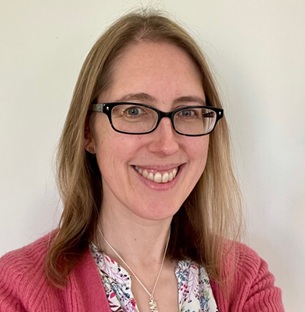
Frances Machell
University of Birmingham
Biography
Frances has 25 years of experience working in academic libraries in a variety of roles relating to academic engagement, acquisitions, metadata, print and electronic collection management, and library systems. She is currently working at the University of Birmingham in a role which includes oversight of the library’s digital systems and web sites.
Networking for Imposters: Making Connections Without the Fear
Many of us feel like we don’t quite belong at conferences, especially when attending a multi-stakeholder event like UKSG for the first time. Through honest stories from library, publishing, and consultancy professionals, attendees will explore the value of cross-sector networking and learn how seemingly casual conversations can lead to career development, collaborative solutions, and broader sector understanding. Practical, supportive exercises will help participants discover networking styles that suit their comfort, offering strategies for meaningful engagement. The session aims to reassure attendees that uncertainty is normal, providing tools to make valuable connections and benefit from shared knowledge – regardless of role or experience level.
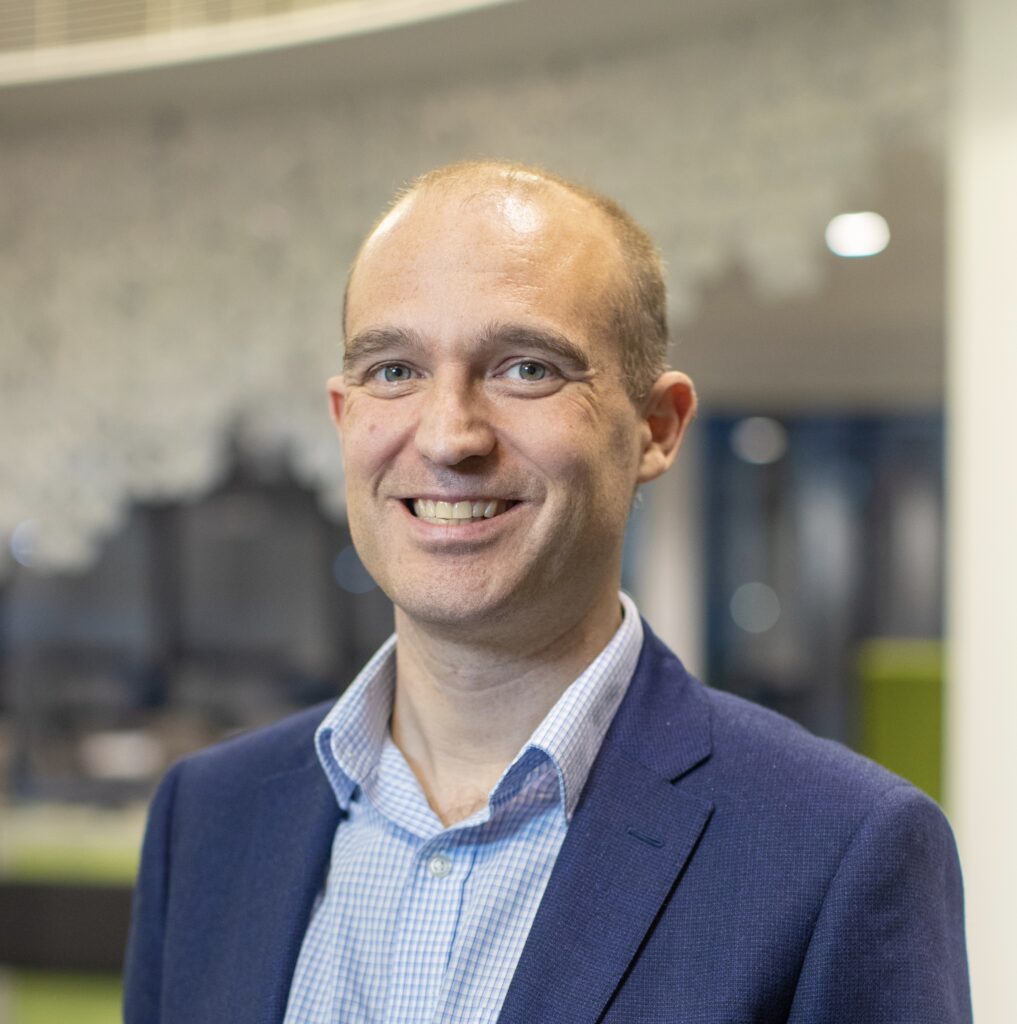
Rob Johnson
Research Consulting
Biography
Rob Johnson is the Managing Director of Research Consulting, a mission-driven business which works to improve the effectiveness and impact of research and scholarly communication. He began his career with KPMG, the international professional services firm, before working in a senior research management role at the University of Nottingham. Since founding Research Consulting in 2013 he has led more than 150 projects in the fields of research and scholarly communication. Rob is Vice Chair of UKSG, a Fellow of the Institute of Chartered Accountants in England and Wales and holds an MSc in Higher Education Management from Loughborough University
Becky Hill
Taylor & Francis
Biography
Becky Hill has worked in academic publishing since 2011, with roles spanning Editorial, Business Development and Open Research. Her current role as Head of Open Research at Taylor & Francis, focuses on building open research publishing partnerships with research communities across Europe and the Middle East (spanning open access journals, books, and other imprints). Prior to her role at Taylor & Francis, Becky spent several years at the open research publisher, F1000, and before that held editorial roles at Routledge and Maney Publishing, working on scholarly journals within the Humanities and Social Sciences.
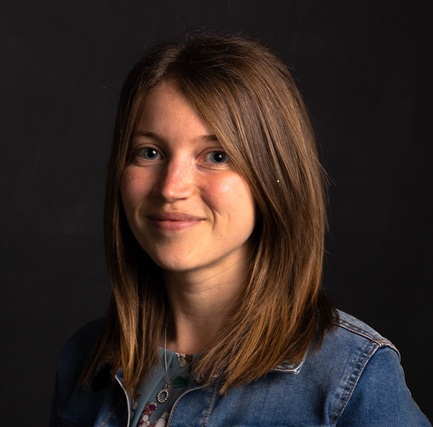
Hannah Crago
University of Essex
Biography
Hannah’s role as Open Research Development Librarian includes the management, development, and delivery of the University of Essex’s services in open research, publishing, and research visibility. Hannah also manages the Research Services Team, which builds knowledge and skills of staff and students in open research, and facilitates open access publishing
Trust but Verify: Preventing Fakesters in the Research Ecosystem
In an era where AI generated content can be passed on as a genuine author, affiliations and citations faked, and credentials fabricated, how can we be sure that the person behind a paper is real—and who they claim to be?
This presentation brings together a librarian and a society publisher to explore the growing challenge of identity verification in scholarly publishing. We’ll unpack the tools and protocols that can help ensure trust in authorship and accountability in research.
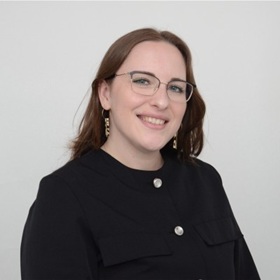
Lauren Flintoft
IOP Publishing
Biography
Lauren Flintoft, Research Integrity Manager, IOP Publishing
Lauren manages the Research Integrity Team at IOP Publishing, which is responsible for investigating ethical cases and developing policies and processes to uphold research integrity. After completing her master’s degree in modern history in 2017, she has worked in research integrity focused roles at both Emerald Publishing and IOP Publishing. She is currently involved in several initiatives, including the NISO CRediT taxonomy group and an STM Integrity Hub working group. Her particular areas of interest include special issue ethics and papermill prevention.
Armin Glatzmeier
Free University of Berlin
Biography
Armin Glatzmeier is based in Berlin and works at Freie Universität Berlin’s Library as a member of the Teaching and Learning Services team. Holding a PhD in Comparative Politics, he brings an academic perspective to his role. Armin specializes as a trainer in good scientific practice, focusing on academic writing skills and the responsible use of AI tools in research and education. He develops workshops for students, educators, and practitioners that address research integrity, practical skills, and the ethical use of emerging technologies.
Hands across the faultlines
Are you a librarian interested in putting faces to the publishers who email you? Are you a publisher who wants to know if it’s all cats and cardigans? Or maybe you’re an intermediary looking to connect with everyone? If so, this fun and interactive session is for you!
Modelled on the idea of speed networking, we will facilitate a series of quickfire rounds to encourage all UKSG conference attendees to connect, meet, and discover likeminded colleagues in a light-hearted environment. This is about understanding our different roles, our interests, and our motivations and finding others within our UKSG family who share something similar. We appreciate that networking might not be for everyone with this in mind we will deliver two versions of our session across the conference breakout track. The first is guaranteed to be chaotic, loud, and involve moving around the space. The second will be a quieter and more inclusive session, with the same speed rounds and fun elements but with reduced chaos, need for mobility, and noise/lighting. We want everyone to be able to take part and meet each other in a fun and supportive environment, please just bring along an open mind for a different kind of networking.
Jennifer Bayjoo
Manchester Metropolitan University
Biography
Jennifer has worked at Manchester Metropolitan University library since 2023, first as Head of Open Research Services and more recently as Head of Digital Services and Transformation. She has previously held open research roles at the University of Salford and Leeds Beckett University. Jennifer is a UKSG Trustee and a chair of the Global Equity Network (GEN).
Group D
Insights into a Scalable, Sustainable, and Pedagogy-Led ‘Open First’ Learning Resource Approach with Sylla
To follow
Dal Badesha
Coventry University
Biography
Dal is the Head of Learning Resources and Student Experience at Coventry University, focusing on Open Education Resources. With a career in academic libraries spanning nearly three decades, Dal was also Project Manager for one of Europe’s largest textbook schemes providing students with seamless access to essential learning materials.
Passionate about accessible learning, she is dedicated to exploring emerging technologies and enhancing student experience through innovative resource strategies
Sam Eerdmans
Sylla
Biography
Sam Eerdmans is one of the co-founders of Sylla and the Director of Business & Operations. At Sylla, Sam works in a dynamic role across business, customer success and operations. In this role, he works closely with Sylla’s library partners around the world in the US, UK and Australia – helping them to drive and grow OER success locally.
Beyond Compliance: Integrity as a Research Cornerstone
Research integrity is often exclusively discussed in the context where something has gone wrong in the research process or publication. This can lead to an environment in which those engaged in the doing and support of research don’t see research integrity is part of their day to day. The third edition of The Concordat to Support Research Integrity was published in 2025 and reemphasises the importance of a culture of research integrity for supporting the trustworthiness of UK research.
From reading research to research proposal to publication, the principles of research integrity can create a positive environment in with trustworthy research is built. From accessing relevant literature, to preparing comprehensive funding proposals to conducting and publishing robust research outputs, support stretches across the research ecosystem. No participant in this process is an island and the ecosystem is full of symbiotic and interacting factors that can strengthen and challenge trust in research outputs. In this session, we will hear from key participants across the research process, libraries, governance, funders, and research managers, about the unique and collaborative ways they create the environment in which research integrity can flourish and how factors up and downstream make this work harder and easier.
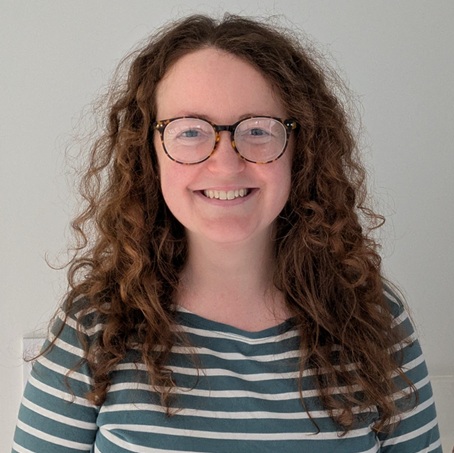
Gráinne McNamara
Karger Publishers
Biography
Gráinne leads the Research Integrity / Publication Ethics team at Karger Publishers, responsible for developing research integrity policies and conducting investigations for all Karger publications and is an elected COPE Council member as of 2025. She completed her PhD in Integrative Neuroscience at Cardiff University in the UK and then spent several years as a researcher at Cardiff University and Imperial College London. Since 2017 she has been working in research integrity teams at publishers and she established the team at Karger Publishers in 2021. In this role, she is particularly interested in research integrity, promoting activities that enhance transparency and the reproducibility of research

Gearóid Ó Faoleán
Jisc
Biography
Gearóid Ó Faoleán is a Licensing Manager at Jisc, where he primarily negotiates and manages licensing agreements with academic publishers on behalf of the UK HEI and research institution sector.
He previously worked for a decade in academic publishing, beginning as a publisher at Frontiers in Lausanne, Switzerland. He moved to London in 2016 to establish and lead their Research Integrity team for five years, before joining Taylor & Francis in 2020 heading up the humanities and social sciences portfolio for their F1000 imprint.
Gearóid holds a PhD in modern Irish history and continues to publish regularly on the period.
Africa in the Open: Reimagining Global Knowledge Beyond Western Publication Models
Academic publishing has long been dominated by Western-centric models that marginalize knowledge produced in the Global South with African researchers facing additional systemic barriers. This presentation explores how open research practices can emerge as viable and transformative alternatives to these hegemonic Eurocentric systems. I examined Global North shifts concerning academic resistances and editorial mass resignations as well as African-led platforms such as UbuntuNet Alliance and AJOL as evidence of resistance and knowledge reimagination beyond ‘APC reforms’. Therefore, this presentation argues for open research as a decolonial and democratic force against global knowledge inequality

Luqman Muraina
University of York
Biography
Luqman Muraina is a final year Global Development PhD researcher at the Department of Politics and International Relations, University of York. Luqman has four years of teaching and research assistantship experience and is currently engaged as a GTA, Research Associate, and a Graduate Engagement Lead for Open Research at the University of York’s library. He supports the university’s commitment towards making Open Research as a default research practice. He researches on decolonisation, higher education, politics of knowledge, and post-colonial African development and looking forward to research roles in the academia and/or social justice institutions.
Beyond APCs, beyond my power? Advancing Equitable Open Access Through Collective Action.
John Edwards
University of Edinburgh
Biography
Rebecca Wojturska (she/her) is the Open Access Publishing Officer at the University of Edinburgh, responsible for managing Edinburgh Diamond: the Library Publishing Partner for Diamond Open Access books and journals created by UoE academics, professional staff and students. Rebecca is also the co-lead of ALPSP Library Publishing SIG and a board member of: JEAHIL; Journal of Information Literacy; the Library Publishing Curriculum, the Open Institutional Publishing Association; the Open Journals Collective; and the PKP Members Committee. In her spare time she loves reading Gothic literature, watching horror films, playing D&D, and crushing her enemies at board games.
More Than Savings: Cultivating Sustainable OER Practices from the Ground Up
The Open Textbook Faculty Incentive Program at the University of Illinois Chicago (UIC) has estimated $6 million savings among students by providing reduced-cost or no-cost access to textbooks. Faculty are incentivized to adopt, adapt, or create OER for the courses they teach. Maintenance and service improvement of OER initiatives is necessary to sustain funding and enthusiasm across campus, and to provide faculty with guidance on copyright, publishing tools, and platforms to disseminate their work. In this panel, we seek to connect with fellow OER practitioners, particularly those in the early phases of implementation to exchange insights, share challenges, and brainstorm actionable strategies for fostering OER growth in our respective institutions.
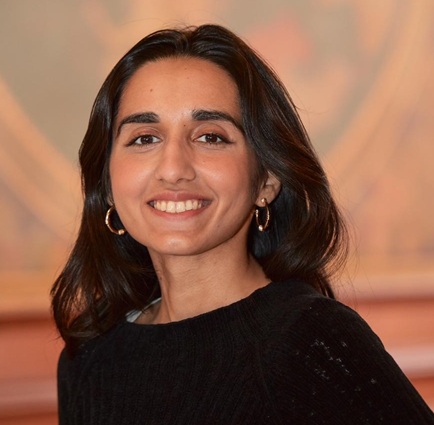
Amina Malik
University of Illinois Chicago
Biography
Amina Malik is a Digital Publishing Librarian and Bridge to Faculty Research Associate at the University of Illinois Chicago. Rooted in cultural heritage work, her research has speculated workflows that steward the ethical hosting and exhibiting of archival materials on or belonging to underrepresented communities in academia. Malik also supports students, scholars and instructors across campus to explore open access publishing trends that best fit their interests in curating their digital scholarly presence and learning environment. Collectively, her service and research interests fall under the umbrella of fostering inclusivity towards expressing oneself, or special collections onto digital publishing platforms.
Sandra De Groote
University of Illinois Chicago
Biography
Sandra De Groote started her career at the University of Illinois Chicago (UIC) in 1998 as a health science librarian. In 2009, Sandy became the Scholarly Communications Librarian. Sandy is currently the Head of Scholarly Communications at UIC, which includes initiatives such as digital publishing, open access publishing, open education resources, impact metrics, data management, and digital scholarship. Her research examines the impact of the library on faculty productivity and student success. Sandy earned her M.L.I.S. and her B.A. in Psychology from the University of Western Ontario, and her M.Ed. from UIC.
“Is it mad to pray for better hallucinations?” Generative AI’s Invention over Information
Elish Purton
University of Sussex
Biography
Eilish Purton is an Open Research & Scholarship Librarian at the University of Sussex. She is also chair of the CILIP LGBTQ+ committee. She has worked in libraries across the UK and is broadly interested in digital technology’s impact on information access. Although she works in Brighton, Eilish lives in Portsmouth. Outside of libraries, she likes spending time at home with her four pet bunny rabbits.