- This event has passed.
Shifting power centres in scholarly communications – The One Day Conference 2019
November 13, 2019 @ 09:00 – 17:15 GMT
A joint UKSG/ALPSP One Day Conference: The pace of change in our sector has accelerated – and that change has also become more wide-reaching. We are moving beyond the “fall out” from the digital revolution – and its implications for user behaviours, customer expectations, product formats and business models – into a much bigger shift, where established roles and accepted models are being questioned. Boundaries are blurring, with funders and universities taking greater ownership of how research is communicated, and publishers and libraries exploring new areas in which they can provide services and support. Where does all of this change leave researchers – are they already realising new benefits, or are they suffering from having one foot in the old world and one in the new? What will happen next, and how should scholarly publishers and librarians prepare?
When
April 08 2024 – 08:00
to
April 10 2024 – 13:30
Where
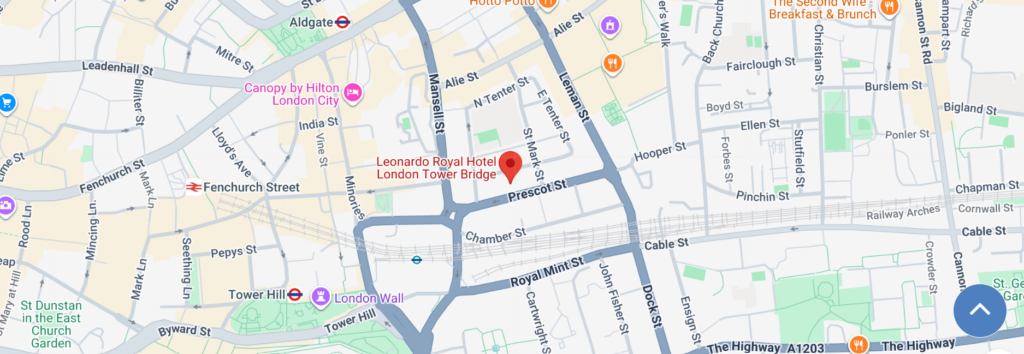
Scottish Event Campus (SEC)
Glasgow, G3 8YW
United Kingdom
About the Event
Event summary


Bookings have now closed for this event if you would like to be added to the waitlist please register here
Shifting power centres in scholarly communications: Implications and future roles for libraries and publishers.
This year’s One-Day Conference is a partnership between UKSG and ALPSP, two organizations well placed to understand and address the scholarly communications’ community’s needs and concerns in this rapidly evolving ecosystem. The event promises strategic insight, practical takeaways and robust discussion among research funders, academics, librarians and publishers.
Thanks to our lunch sponsor

With thanks to our sponsors





Programme
- Wednesday 13 November
Time
Programme
Speakers
09.30
Registration and refreshments
10:00
Welcome from the chair

Andrew Barker
Lancaster University
See Biography
Andrew Barker has been Director of Library Services & Learning Development at Lancaster University since September 2019. Prior to that he held a number of senior roles within diverse university libraries, including the University of Liverpool and Liverpool John Moores University. Andrew was Chair of UKSG between 2018 and 2022, and has been Vice-Chair of SCONUL since December 2021.
10.10
Emerging opportunities for libraries – implications and future directions for scholarly communications

Beth Montague-Hellen
University of Nottingham
See Biography
Dr Beth Montague-Hellen started off academic life as a Molecular Biologist studying at Manchester University. The next 14 years were spent as a bioinformatician, accruing an MSc and a Phd on the way.
Following this, Beth decided that supporting others to do excellent research was far more rewarding than actually doing the research and so moved into Libraries and Research Support. Beth takes an as open-as-possible, EDI focused approach to research support and is a big advocate for green OA alongside a completely transparent research cycle including radically open data and software sharing.

Regina Everitt
University of East London
See Biography
Dr Beth Montague-Hellen started off academic life as a Molecular Biologist studying at Manchester University. The next 14 years were spent as a bioinformatician, accruing an MSc and a Phd on the way.
Following this, Beth decided that supporting others to do excellent research was far more rewarding than actually doing the research and so moved into Libraries and Research Support. Beth takes an as open-as-possible, EDI focused approach to research support and is a big advocate for green OA alongside a completely transparent research cycle including radically open data and software sharing.

Carly Lightfoot
University of East London
See Biography
Dr Beth Montague-Hellen started off academic life as a Molecular Biologist studying at Manchester University. The next 14 years were spent as a bioinformatician, accruing an MSc and a Phd on the way.
Following this, Beth decided that supporting others to do excellent research was far more rewarding than actually doing the research and so moved into Libraries and Research Support. Beth takes an as open-as-possible, EDI focused approach to research support and is a big advocate for green OA alongside a completely transparent research cycle including radically open data and software sharing.
11.00
UNIVERSITY JOURNALS: An efficient and convenient open access publishing platform owned by universities
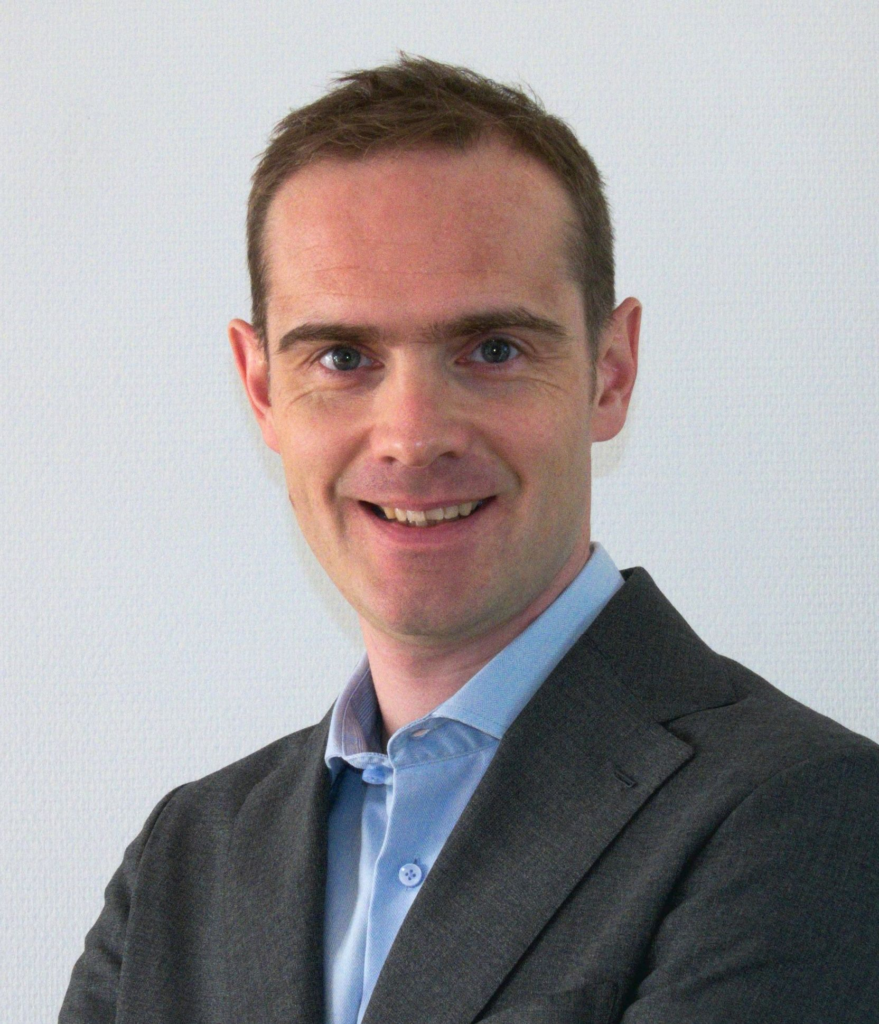
Max Haring
University of Amsterdam Libraries
See Biography
Max Haring works at the library of the University of Amsterdam as project manager for the University Journals platform initiative. Max has more than 12 years’ experience in academic publishing: he worked at Springer(-Nature) in several publishing positions and was responsible for setup and operations of an Open Access mega journal and linked manuscript cascade strategy. At Amsterdam University Press he developed Open Access policies and acquisition strategies for books and journals. He also provides consultancy for learned societies on how to developing their publishing portfolios and he educates junior publishers. Max has a PhD in biochemistry.
11.30
Break
12.00
Society Publishers Accelerating Open Access and Plan S (SPA-OPS) project
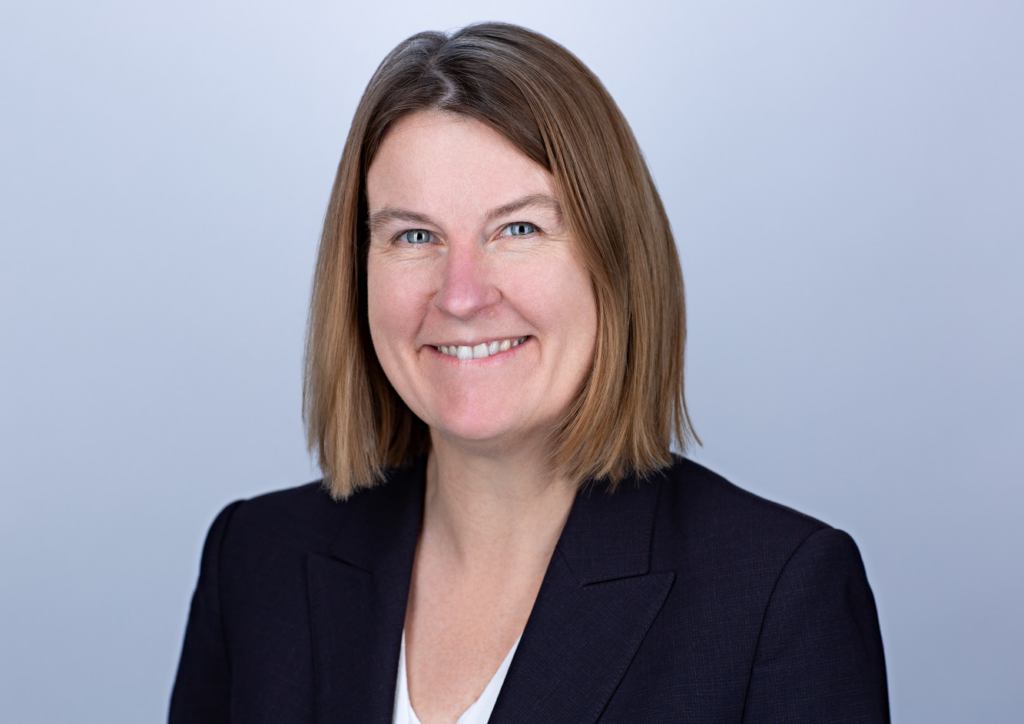
Alicia Wise
Information Power
See Biography
Alicia Wise is Executive Director of CLOCKSS, a community of research libraries and academic publishers working together to ensure the long-term preservation of the scholarly record. She has been active in increasing access to research information for 20 years in roles within our publishing community (e.g. with Elsevier, the Publishers Association, the Publishers Licensing Service) and also within the library community (e.g. Jisc, a range of universities). Her Ph.D. is in Anthropology and focussed on the Roman invasion of Scotland and resistance to this.
12:20
Transformative journals – a publisher perspective
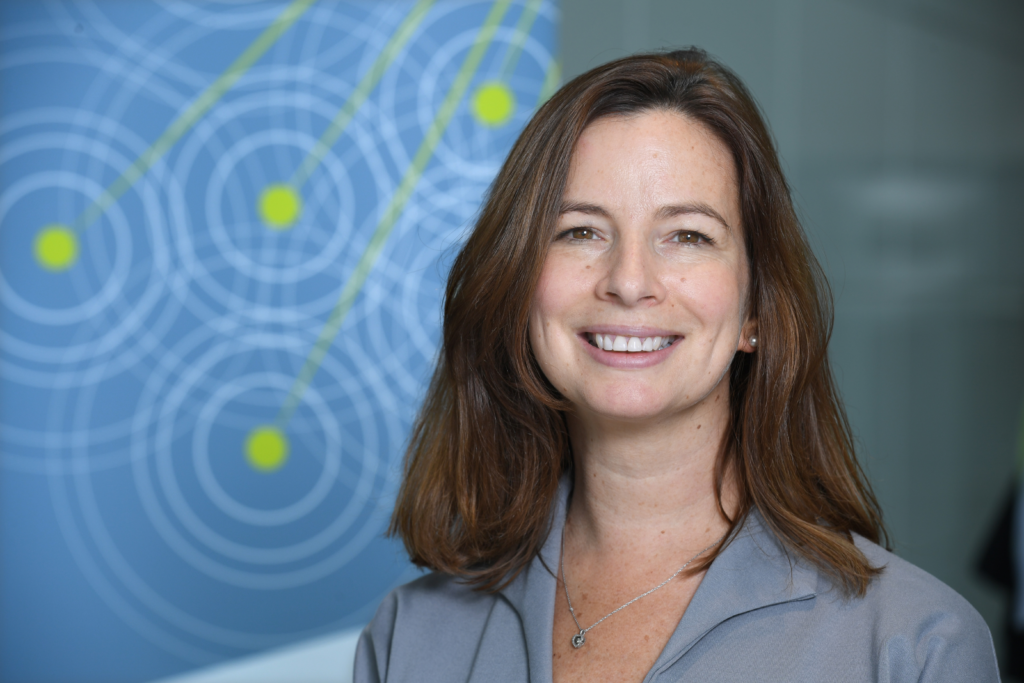
Susie Winter
Spring Nature
See Biography
Susie Winter is Director of Communications and Engagement, Research at Springer Nature where she heads up external communications for Springer Nature in its position as a leading research publisher.
Susie joined Springer Nature from the Publishers Association, the trade association for the publishing industry in the UK where, as Director of Policy and Communications, she was responsible for developing and leading the PA’s work across the policy agenda as well as promoting the contribution made by the UK publishing industry at both a UK and European level.
Prior to that she was the first Director General for the Alliance for Intellectual Property, working to ensure that the importance of IP rights to the UK economy is recognised. Having begun her career as a Press and Broadcasting Officer for the Liberal Democrat Party she then spent several years at communications consultancy Luther Pendragon.
12:40
How publishers are adapting to the shifting scholarly impact landscape

Ian Mulvany
Sage Publishing
See Biography
Ian Mulvany is head of transformation at SAGE Publishing. He helped setup SAGE’s methods innovation incubator SAGE Ocean following a lean product development approach. Previously he ran technology operations for eLife, was head of product for Mendeley and ran a number of early web2.0 products for Nature Publishing Group.
He is passionate about creating digital tools that support the research enterprise. He is interested in the interplay between different stakeholders that can lead to the sustainably of these kinds of tools.
13:00

14:00
The Funder perspective on owning OA platforms

Jocelyn Leblanc
Association of Medical Research Charities
See Biography
Jocelyn LeBlanc is the Research, Data and Impact Manager at the Association of Medical Research Charities (AMRC), a membership organisation representing over 145 charities in the UK. She is responsible for demonstrating the impact of charity-funded medical research and connecting and supporting members on issues related to research and impact. She coordinates AMRC Open Research, an F1000 platform for author-led publication and open peer review of research funded by AMRC member charities. AMRC Open Research was launched in early 2019 by 24 AMRC members.
Before joining AMRC, Jocelyn earned her PhD in neuroscience from Harvard Medical School and spent several years as a research fellow at Boston Children’s Hospital studying brain development. Her work with children and families affected by neurodevelopmental disorders inspired her to pursue a career in the medical research charity sector. She is passionate about accelerating research progress and bringing impact to people sooner.
14:30
The European perspective
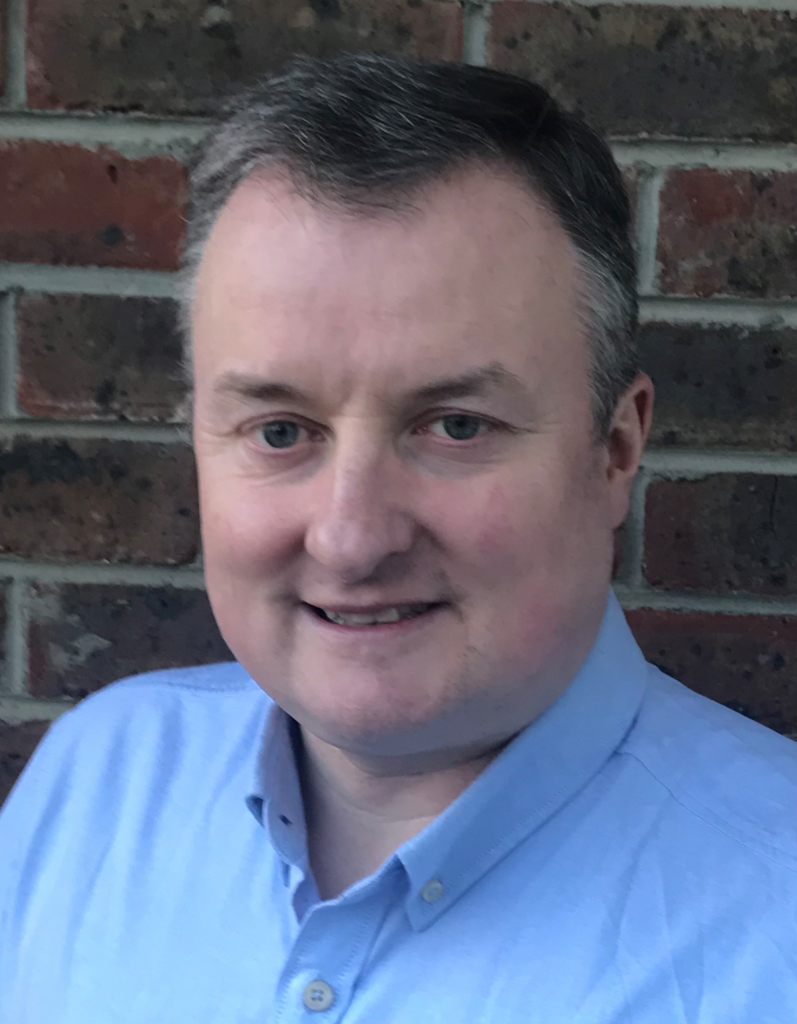
Cathal McCauley
Maynooth University
See Biography
Cathal is University Librarian at Maynooth University (MU), Ireland. He previously worked in University College Dublin (UCD) Library. Prior to joining UCD, he worked for FGS (now Grant Thornton) as Director of Consulting. He is Vice President and Council Member of the Library Association of Ireland, a former Chair, of the Irish Universities Association (IUA) Librarians’ Group and current Treasurer of the Consortium of National and University Libraries in Ireland. He is the Director of the Irish University Libraries Collaboration Centre at MU which houses the IReL initiative. He represents the IUA on the European Universities Association ‘Big Deals’.
15:00
Break
15:30
Voices from the global south
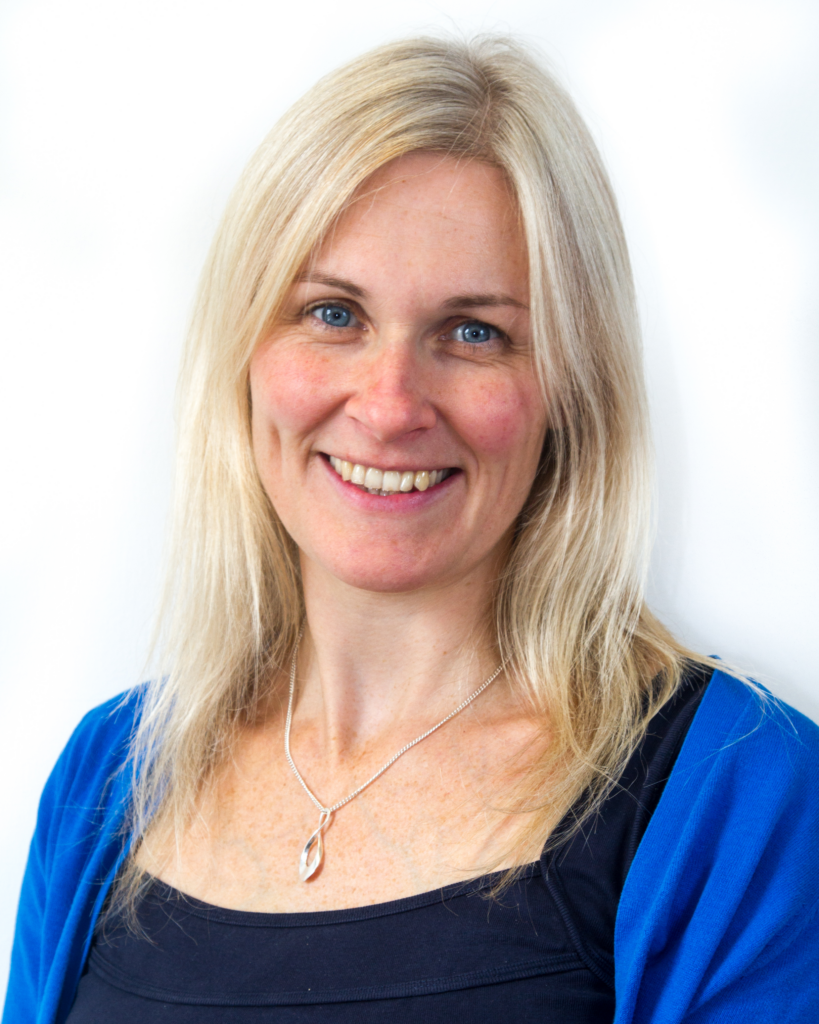
Sian Harris
INASP
See Biography
Siân has worked for INASP since 2014 and is responsible for communications within INASP and in programme work with the people and organizations that INASP works with in Africa, Asia and Latin America. In addition, she has been involved in the development and launch of Journal Publishing Practices and Standards (JPPS), represents INASP in the Think. Check. Submit. committee and serves as a mentor in the AuthorAID project. She is a chef on Scholarly Kitchen and, prior to joining INASP, was editor of Research Information magazine for more than a decade. She has also worked as a science and technology journalist and has a PhD in inorganic chemistry.
16:00
Panel: The implications of change for researchers
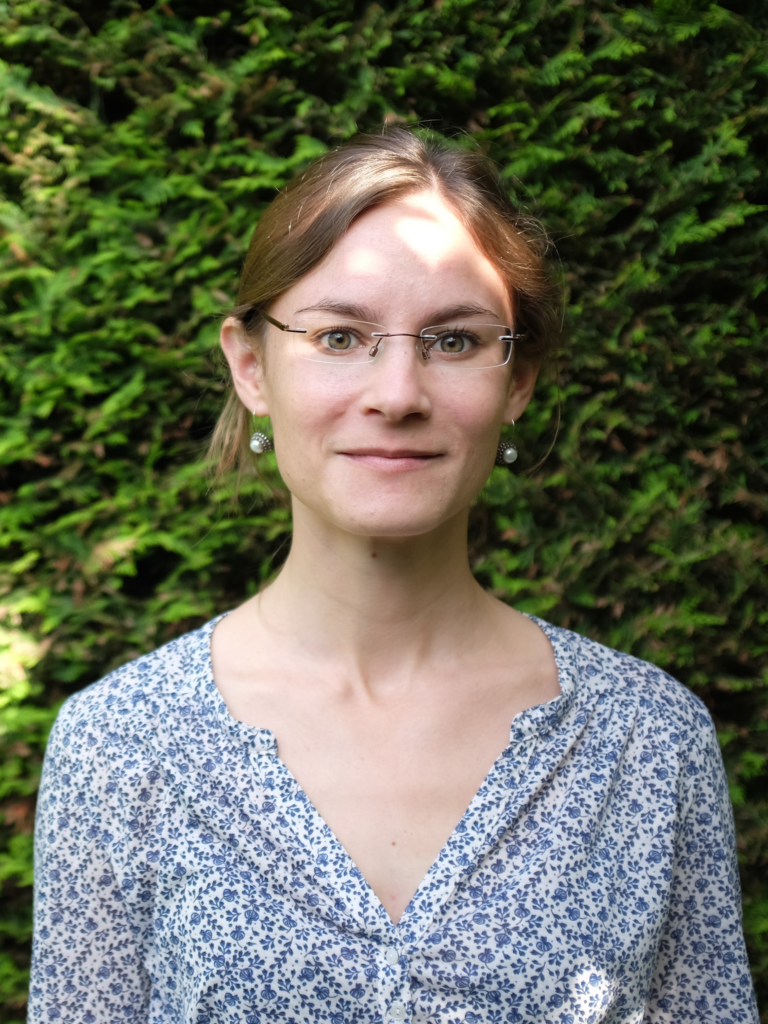
Anja Felmy
University of Oxford
See Biography
Dr Anja Felmy is an evolutionary biologist. She obtained her Ph.D. from ETH Zurich, Switzerland, studying mating-system evolution in a hermaphroditic freshwater snail. Her doctoral thesis was honoured with the Silver Medal of ETH Zurich for being outstanding. After a maternity leave, Anja was awarded a Tailwind Grant to work as a postdoctoral researcher at EAWAG, Department of Aquatic Ecology, Switzerland. Since early 2019 she is a postdoctoral researcher at the Department of Zoology, University of Oxford, funded by an Early Postdoc Mobility Fellowship from the Swiss National Science Foundation. Her current research focuses on developing a more accurate method to predict short-term evolutionary change in natural populations, using Trinidadian guppies (small tropical freshwater fish) as a study system.
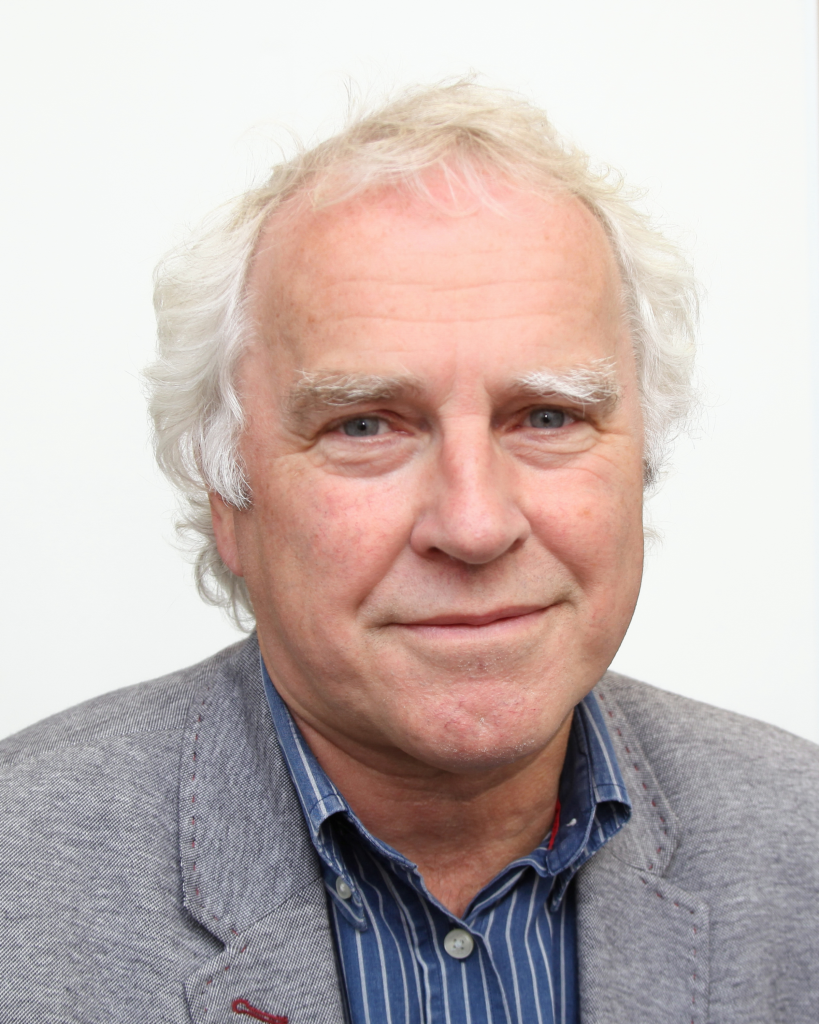
Alan Warde
University of Manchster
See Biography
Alan Warde is Professor of Sociology at the University of Manchester. His expertise is in cultural sociology, the sociology of consumption and the sociology of food and eating. He has published widely, acted as principal investigator of many research projects, and has had positions of director of research at institute and faculty levels. He has previously served on the Executive Committee and as a trustee of the British Sociological Association with responsibility for publications. He currently has such a role with the European Sociological Association. He has just stepped down from the being Co-Editor in Chief of the journal Sociology. He has had a long career in research and writing and is in a good position to reflect on new pressures on social science researchers and changes in ways of reporting and publicising scholarly research.

Bryonny Goodwin-Hawkins
Aberystwyth University
See Biography
Dr Bryonny Goodwin-Hawkins is a social anthropologist specialising in rural and regional development in the UK and Central Europe. She joined the Department of Geography and Earth Sciences, Aberystwyth University, after previous appointments at the University of Melbourne. Her current research is part of IMAJINE and ROBUST – two major consortium projects funded by the EU Horizon 2020 research and innovation programme, and working across sixteen and eleven countries respectively. Bryonny is an affiliate of the Wales Institute of Social and Economic Research, Data and Methods (WISERD), and was recently recognised as one of the Welsh Crucible’s thirty emerging research leaders in Wales.
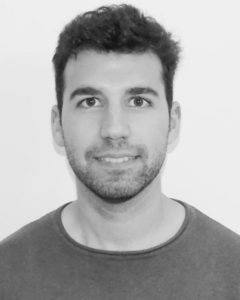
Sergio Menchero-Fernandez
The Francis Crick Institute
See Biography
I am a postdoctoral researcher in James Turner’ laboratory at the Francis Crick Institute (London, UK). My scientific interests include developmental biology and cell fate choices, specially from a transcriptional regulation perspective. My research training started at the Pierre et Marie Curie University (Paris, France) thanks to the Erasmus program, where I could join Muriel Umbhauer’ group for a few months. I obtained my Degree in Biology from the Autonomous University of Madrid (Spain) in 2012. As an undergrad student I joined Miguel Manzanares’ laboratory at CNIC (Madrid, Spain) to study the regulation of the trophectoderm lineage in the mouse preimplantation embryo. I stayed in the same lab to perform a PhD thanks to a “FPI-Severo Ochoa” fellowship, and I focused on the transition of the totipotent embryo towards the activation of the first lineages. During my PhD, I had the opportunity to carry out a short stay in Kat Hadjantonakis’ lab at the Sloan Kettering Institute (New York, USA) learning live imaging. Currently, I am studying epigenetic mechanisms regulating X-chromosome inactivation during mammalian evolution.
17:00
Wrap Up

Wayne Sime
ALPSP
See Biography
Wayne Sime is the Chief Executive of the Association of Learned and Professional Society Publishers (ALPSP), the international trade body for non-profit organisations and institutions that publish scholarly and professional content.
Previously, he was the Director of Library Services for the Royal Society of Medicine. Wayne is an accomplished Executive who has extensive experience in financial, IT and people management. Wayne has worked within the NHS and the financial sector.
Wayne has been a chartered Librarian since 2001 and became a Fellow of CILIP (Chartered Institute of Library & Information Professionals) in 2009.
17:15
Networking drinks reception
18:00
Close of Conference
Time
Programme
Speakers
13.30
Welcome and Introduction
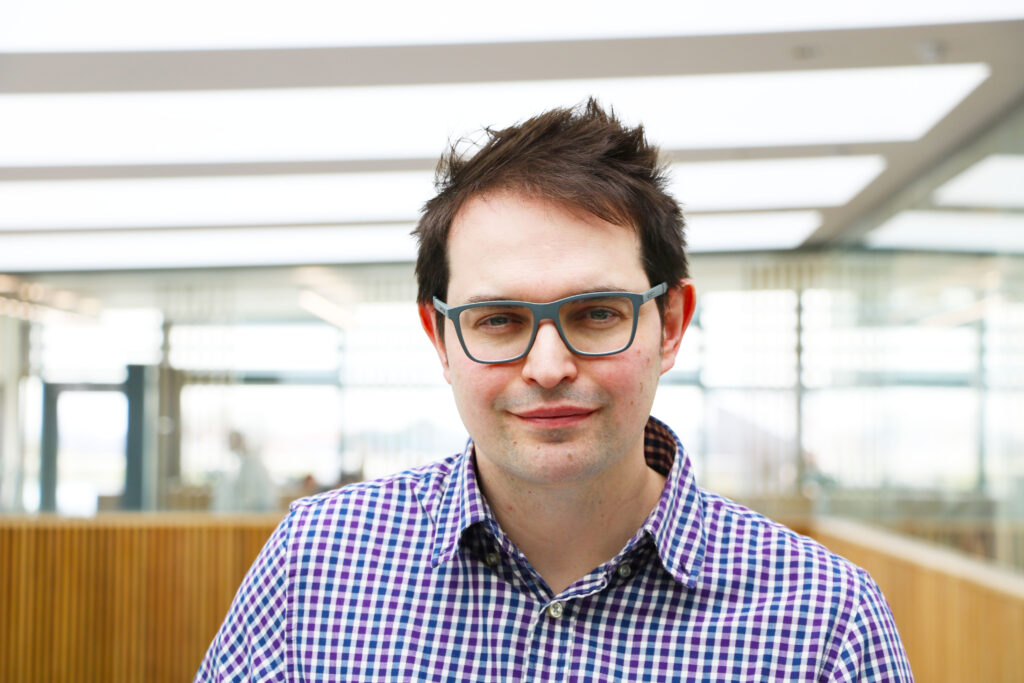
Liam Bullingham
Counter
See Biography
Until recently, Liam managed research support in Library and Learning Services at Edge Hill University. At Essex, he leads the Academic and Research Services team in Library and Cultural Services; this includes academic liaison and information literacy team and also research services. He is a member of the LIS-Bibliometrics Committee and is a Trustee of UKSG..
13.40
Responding to attacks
To be confirmed
14.05
Cybersecurity and research data management: benefits of introducing The UoM Data Management Planning Compliance Platform

Bill Ayres
The University of Manchester Library
See Biography
As part of the University of Manchester Library, Bill is Strategic Lead for Research Data Management. Focus areas for RDM services include open data publishing, data management planning, training, advocacy and support for our research community across all disciplines. He is part of the Research Lifecycle Programme management team and the renewed programme will continue to remove barriers for research over the next five years. With nearly 20 years’ experience in the sector Bill delivered IT infrastructure services and projects at faculty level (storage, compute, networks, desktop) before moving to the library side and developing a passion for open research.
14.30
Break
14.40
Everyone’s Problem: Cross-sectoral responses to content challenges and bans
While book bans and content challenges may have a more visible, dramatic impact on libraries, vendors and publishers also need to confront the implications these restrictions and bans might have on their operations. User data retention policies, publishing practices, and system features tied to content curation are just a few areas where library, vendor, and publisher concerns might coalesce in response to content challenges. This session will consider cross-sectoral implications and strategies that could help us all pursue our shared commitment to information access and knowledge dissemination

Courtney McAllister
Atypon
See Biography
Courtney McAllister has worked in many areas of the knowledge landscape, ranging from public library stacks maintenance to publishing technology services. She is the author of Change Management for Library Technologists and the Associate Editor of The Serials Librarian and Serials Review. Her current project is an upcoming co-edited monograph entitled, From Chaos to Order: Addressing Cognitive Overload in the Learning Journey. Courtney loves to spoil her cat, go hiking, and watch documentaries (true crime and cult topics are her favorites, of course!).
15.05
Cybersecurity in Higher Education – Protecting Users with Decentralised Digital Identities
Higher Education has become ever more complex with the expansion of global supply chains with numerous connected organizations, technological advancements, the recent demands of educational hybrid learning, and the growing importance attached to individuals’ data and its security. In many ways, the pandemic has accelerated the acceptance of remote learning and faster technological advancements. Still, in other ways, it has exposed areas of weakness concerning data security/privacy in education and its supply chains. Besides education entities taking up more traditional and resilient security measures/frameworks, there can also be an approach to deploy innovative technologies such as blockchain or decentralized networks and utilize decentralized digital identities (DID).
In the education sector, digital identities can be used for various purposes such as verifying academic qualifications, authenticating students and staff, and managing educational resources. It could also create a secure, decentralized system for storing and sharing academic research. This would make it easier for researchers to find and access the data they need and would help to prevent fraud.

Stefan Kendzierskyj
Maverick Publishing Specialists
See Biography
Stefan Kendzierskyj has an extensive commercial, consulting, and strategic leadership background, holding senior and executive-level positions with technology solution-led companies servicing the publishing, fintech, government, and cybersecurity sectors.
Stefan holds a master’s degree in Cybersecurity and is an accomplished author in emerging technology subjects, such as governance/risk/compliance, privacy, blockchain, self-sovereign identity, AI, cyber warfare, and cyberattacks/threats – with published works through world-renowned publishers such as Springer, Elsevier, Taylor & Francis, IGI, and World Scientific.
His latest research involves GRC frameworks and cybersecurity for ground-to-space satellite systems.
15.30
Break
15.40
Closing keynote
Kathleen McEvoy
The EveryLibrary Institute
13.30
Wrap up and close
Liam Bullingham
Counter
See Biography
Until recently, Liam managed research support in Library and Learning Services at Edge Hill University. At Essex, he leads the Academic and Research Services team in Library and Cultural Services; this includes academic liaison and information literacy team and also research services. He is a member of the LIS-Bibliometrics Committee and is a Trustee of UKSG..
Registration
Sunday, August 4, 2024 – 00:00 BST – Monday, November 18, 2024 – 22:10 GMT
Member
Non-Member
NB: UKSG reserves the right to alter or vary the programme due to events or circumstances beyond its reasonable control without being obliged to refund monies.
Contact
General queries – events@uksg.org
Bookings have now closed for this event – If you have any further queries please contact events@uksg.org or if you would to be placed on the waitlist please register here
Cancellations
By Friday 1st November 2019 – Full refund
From Saturday 2nd November – No refund