

- This event has passed.
Bridging the divide between the media and research: building trust in better communication webinar
July 3, 2024 10:00 15:30 BST
Media interest in research has never been greater due to the global impact of the Covid-19 pandemic and Climate Change, among other topics. How research is communicated varies from an international scale down to local level, as also reflected in the quality of coverage from in-depth news features to poorly referenced, click-bait churnalism. Join us for this online seminar.
Register for this recording
You may still register for the recording of the webinar by visiting the GoToWebinar site.
Programme
Please scroll down for further details of the programme.
Summary
Societal and media interest in research has never been greater due to the global impact of Covid-19 and Climate Change, among other topics. How research is communicated should be of the greatest importance to academics, their organisations, funders and publishers.
The relationship between journalists and researchers is an important one, but they are not the only stakeholders invested in this process. How research is communicated varies in quality and scale from international to local coverage. The quality of research-related news also varies in the quality of coverage from in-depth news features to poorly referenced, click-bait churnalism. Join us to hear from experts as to how research is being shared and what can be done to improve that process.
Those working in the publishing, media communications, library and journalism sectors share common ground and there are benefits for attendees in gaining a greater understanding of how each part of this communication cycle works and how they can collaborate better.
Librarians and journalists both work to analyse and deliver factual and timely information, yet that can be undermined by missing out key components that can underpin a news story, such as a research article or funder link. Academics looking to capture pathways to impact miss out on evidence if there is no audit trail relating to the coverage due to the lack of proper media coverage.
The lack of substantial evidence within a news story has the potential to generate fake or poorly reported news, which can have a damaging impact on the reputation of research. This seminar will highlight good examples of working practice as well as explore what more can be done to improve this ever-changing ecosystem.
Who should attend?
This seminar is aimed at journalists, research managers and administrators, librarians, publishers and communications professionals in universities and publishing.
Programme
- Morning
Time
Programme
Speakers
10:00
Introduction & welcome
All times stated are GMT
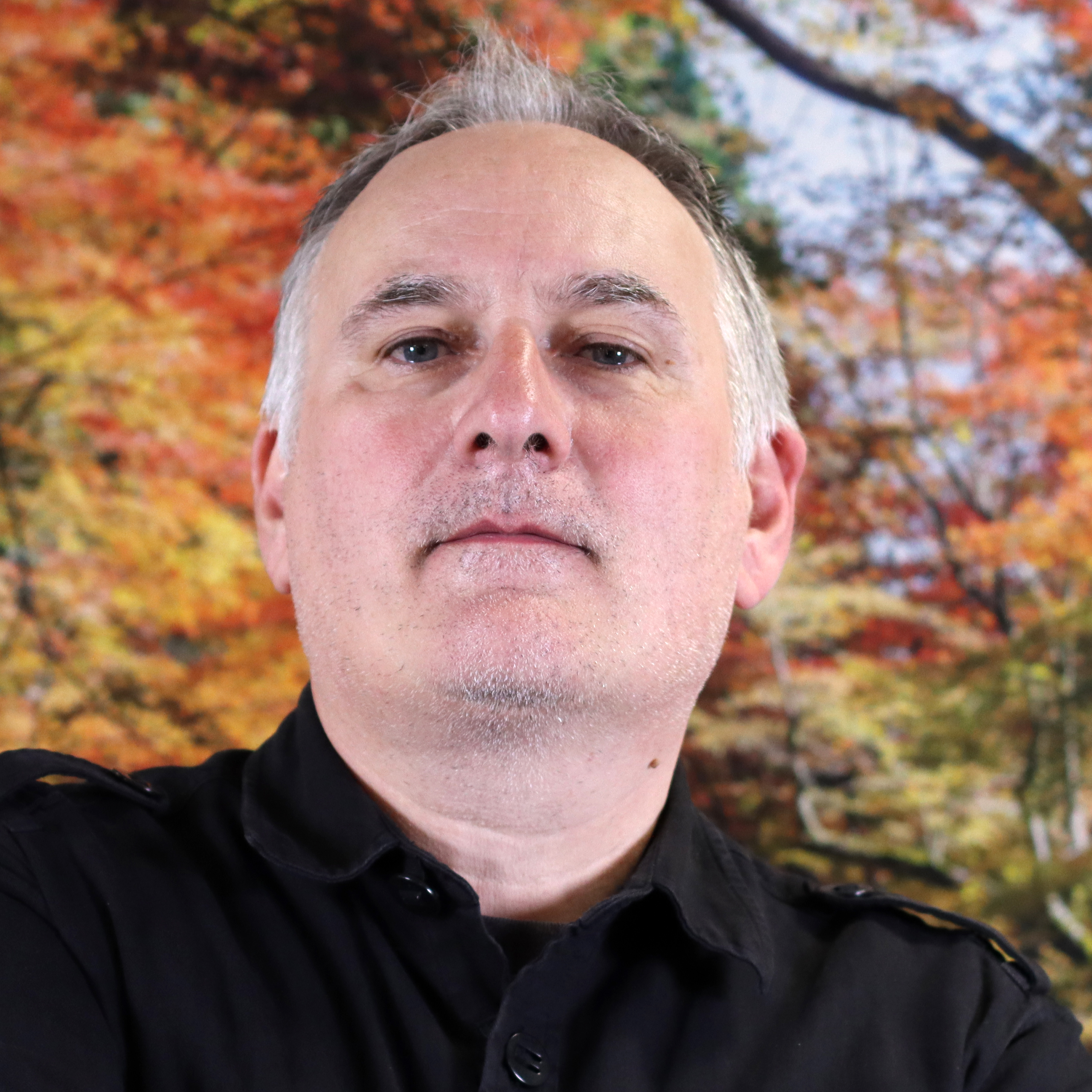
Andy Tattersall
University of Sheffield
See Biography
| Andy Tattersall is an Information Specialist at the Division of Population Health at The University of Sheffield. Andy writes, teaches and delivers talks and training about research communications (including podcasting, blogging, social media, video/animation, infographics), digital academia, open research, web and information science and altmetrics. In particular, their application for research, teaching, learning, knowledge exchange and collaboration. Andy received a Senate Award from The University of Sheffield for his pioneering work on Massive Online Open Courses (MOOCs) in 2013 and is a Senior Fellow of the Higher Education Academy. Andy was named in Jisc’s Top 10 Social Media Superstars. He was a member of the Cilip Digital Technology Committee (MmIT) for 10 years (2 as Chair) and is a member of the UKSG Events and Education Committee. Andy co-wrote and edited a book on Altmetrics for Facet Publishing which is aimed at researchers and librarians. https://linktr.ee/andy_tattersall |
10:15
Empowering researchers in media and storytelling
The value of public engagement in academia is widely recognised however, some researchers remain uncertain about how to interact with the media, engage on social media and tell their stories.
Creative editorial processes, open channels of communication and supportive training are all key to empowering researchers to get their science out there.
In this short talk, Kathryn will discuss how her team work with scientists to understand their ambition, capture their stories and equip them with the tools they need to engage directly with journalists and other channels of communication – from press releases to podcasts and even live TV.
Kathryn Ingram
Francis Crick Institute
10.40
The Publisher Press Office: Current practice and future potential
Why does some research make The Guardian’s front page, while other papers sink without trace? Successful science communication requires a strong chain of interactions between multiple scicomm roles; as a press officer at a publisher, I get to be one link in that chain.
Here, find out how my team and I play our role: choosing which papers to promote, collaborating with researchers and other press officers, and communicating research to journalists – and also, how we might do better, whether aided by improved processes, by stronger relationships, by new technologies… or by you!
Bethany Baker
PLOS
See Biography
Beth has a scientific background but after her degree, she decided to focus on communicating research rather than creating it! Beth started at PLOS on the publishing side, then moved into the Media Team in 2015 and has been promoting papers to journalists and the public ever since.
Beth lives in Cambridgeshire and when not at her desk, she is usually to be found gardening, cooking or whizzing around on a bike, sports court or ice rink!
11.05
Break
11.20
Where science meets journalism
Striking scientific claims abound, but great science does not. Consumers of news rely on the expertise of science journalists to unpick and present both the triumphs and failures of research, holding the scientific community to account for work that could quite literally change how we live. But how does research turn into headlines? What do journalists expect from scientists? Find out all that and more in this talk.
Nicola Davies
The Guardian
See Biography
Nicola Davis is the Guardian’s science correspondent and presenter of the Science Weekly podcast. Previously she was commissioning editor of the Observer’s Tech Monthly Magazine, and worked at The Times for the science magazine, Eureka. She has a MChem and DPhil in organic chemistry from the University of Oxford.
11.45
How to tell science stories in video
Don’t just read about science: see it for yourself! Video is a great way to show your audience science in action – from the processes and discoveries to the scientists themselves. And science documentary shorts can reach huge audiences on YouTube, news sites, institutional pages and social media.
Shamini Bundell is part of Nature’s multimedia team, producing short-form (2-15 minute) mini-documentaries about breaking science news and STEM topics. In this talk she’ll go over the basics of how to make a science video – as well as why you’d want to. Bring plenty of questions and discover the world of online science video production!
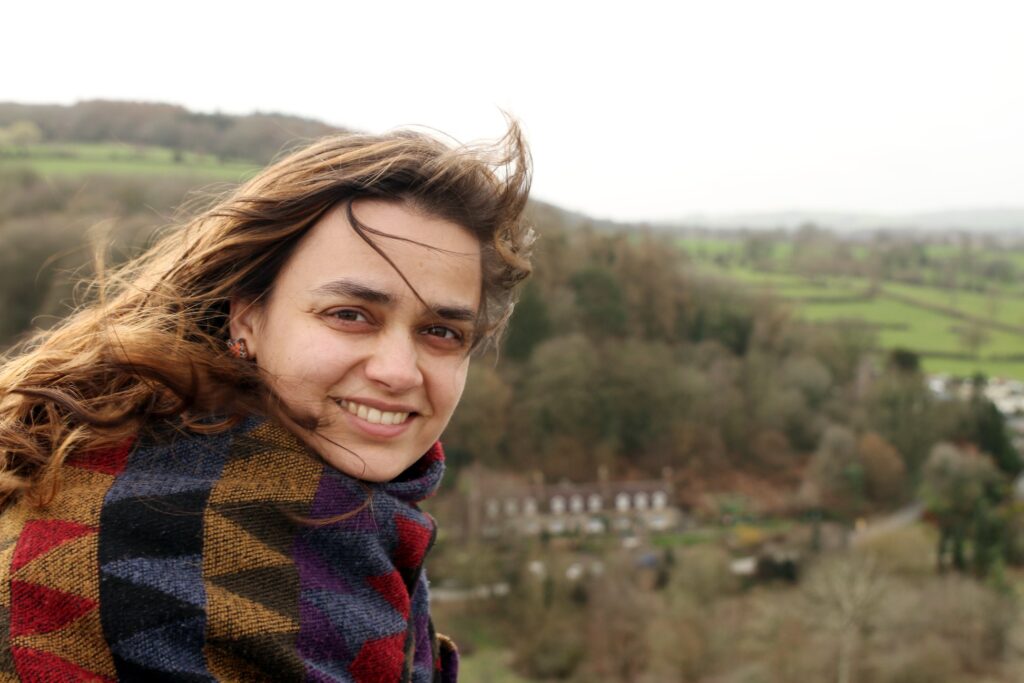
Shamini Bundell
Nature
See Biography
Shamini Bundell is a Senior Multimedia Editor at Nature, producing content for the Nature Video Channel on YouTube, as well as Nature’s social media feeds and working on the Nature Podcast.
Her background is in biology and film-making, having studied first Zoology, then Science Media Production. She then worked in TV for several years, researching on science documentaries for the BBC, Channel 4, Discovery Channel and others. In her spare time she brings nerdy science facts into tabletop role-playing games such as ‘Dungeons & Dragons’.
12.10
Break
13.00
How can libraries help? Fostering information quality from the fringes of the cycle
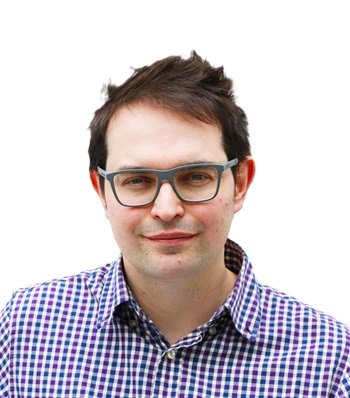
Liam Bullingham
University of Essex
See Biography
Until recently, Liam managed research support in Library and Learning Services at Edge Hill University. At Essex, he leads the Academic and Research Services team in Library and Cultural Services; this includes academic liaison and information literacy team and also research services. He is a member of the LIS-Bibliometrics Committee and is a Trustee of UKSG..
13.35
Why are many academics so bad at handling “attention points”? And how can they get better in the open science era?
Handling attention points such as Figures, charts, tables, diagrams, images and photos is an increasingly important part of modern academic research communication. Yet many researchers continue to handle this aspect very poorly, completing these elements in a rush or with little attention. In addition, some widely used advice on how to format attention points in ways that might assist policy makers and general readers are not well thought through, clashing with other open science imperatives.
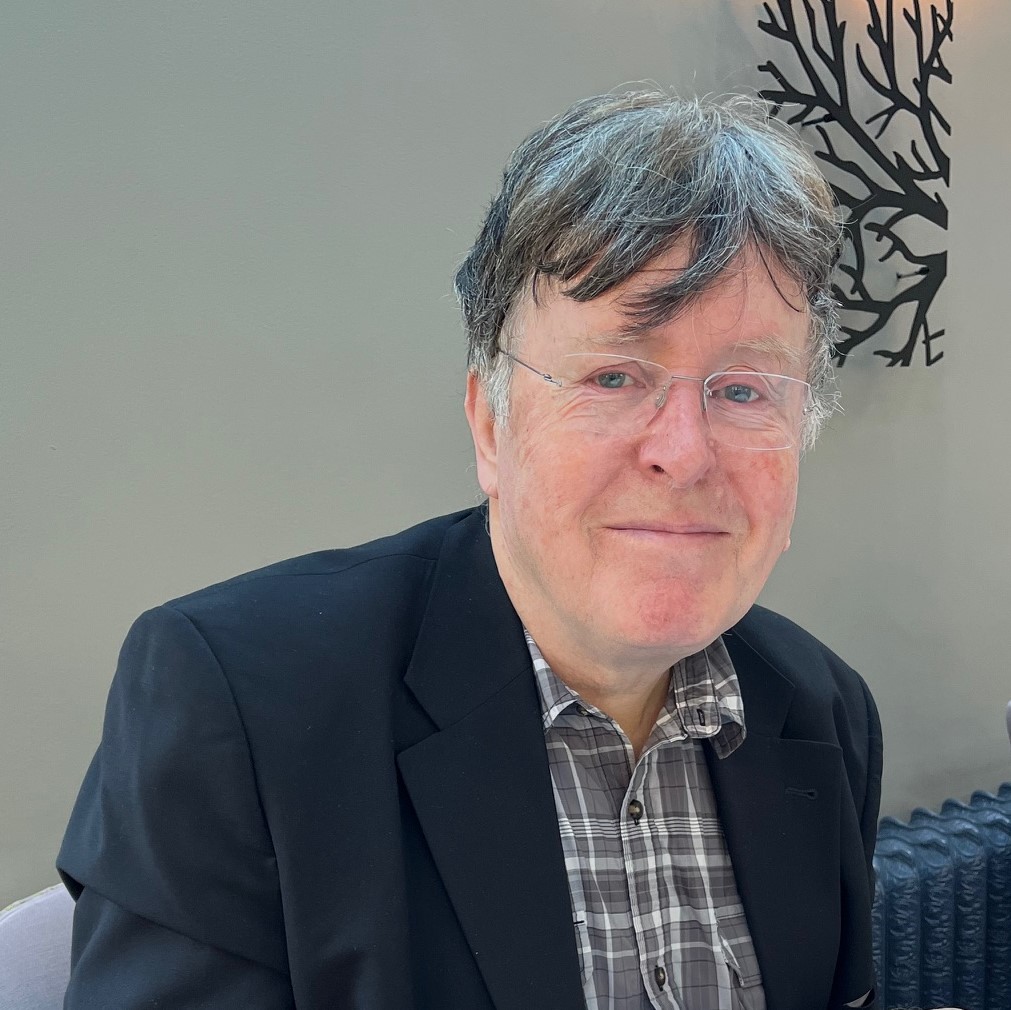
Patrick Dunleavy
London School of Economics
See Biography
Professor Dunleavy is a Fellow of the British Academy and of the Academy of Social Sciences and the author of numerous books and research articles, including Maximizing the Impact of Academic Research (London: Bloomsbury Press) (with Jane Tinkler)
13.50
Break
14.05
How should researchers deal with inaccuracies in the media?
The profession of journalism includes a commitment to accuracy. However, there are many daily examples of inaccurate and misleading coverage of research by the UK media. How should researchers respond to this problem? Engagements with the media’s regulatory processes are often highly unsatisfactory. Disengagement from the media does not result in improvements. Instead enhanced engagement with the media to challenge inaccuracy and misinformation does yield some positive results, but the media’s attempts to justify inaccurate coverage as “press freedom” or “reasonable comment” remain a significant threat to the public interest.
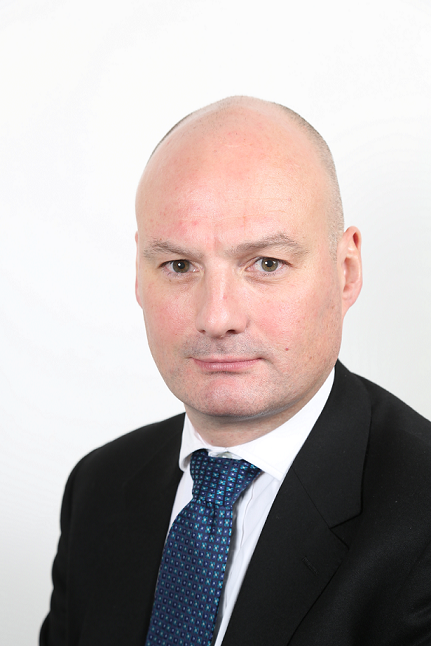
Bob Ward
Grantham Research Institute on Climate Change and the Environment, LSE
See Biography
Bob joined the Grantham Research Institute on Climate Change and the Environment and when it was founded in 2008 at the London School of Economics and Political Science. He previously worked at Risk Management Solutions, the Royal Society, the Higher Education Careers Services Unit, and The Daily Telegraph. He is also Chair of the London Climate Ready Partnership. He is a Fellow of the Geological Society, the Royal Geographical Society, and the Energy Institute, and is a member of the board of the Association of British Science Writers. Bob is also Vice Chair of Burton Bradstock Parish Council.
14.30
Panel Session: Communications beyond the campus: What more can be done to improve their reach?
A panel session chaired by Andrew Tattersall.
Bob Ward
Grantham Research Institute on Climate Change and the Environment, LSE
See Biography
Bob joined the Grantham Research Institute on Climate Change and the Environment and when it was founded in 2008 at the London School of Economics and Political Science. He previously worked at Risk Management Solutions, the Royal Society, the Higher Education Careers Services Unit, and The Daily Telegraph. He is also Chair of the London Climate Ready Partnership. He is a Fellow of the Geological Society, the Royal Geographical Society, and the Energy Institute, and is a member of the board of the Association of British Science Writers. Bob is also Vice Chair of Burton Bradstock Parish Council.
Liam Bullingham
University of Essex
See Biography
Until recently, Liam managed research support in Library and Learning Services at Edge Hill University. At Essex, he leads the Academic and Research Services team in Library and Cultural Services; this includes academic liaison and information literacy team and also research services. He is a member of the LIS-Bibliometrics Committee and is a Trustee of UKSG..
Patrick Dunleavy
London School of Economics
See Biography
Professor Dunleavy is a Fellow of the British Academy and of the Academy of Social Sciences and the author of numerous books and research articles, including Maximizing the Impact of Academic Research (London: Bloomsbury Press) (with Jane Tinkler)
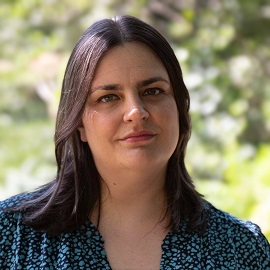
Hayley Dunning
Imperial College London
See Biography
Hayley Dunning is Science Communications Lead at Imperial College London, promoting research from the Faculty of Natural Sciences. She ran the Imperial College Podcast for eight years and manages an internship program supporting minoritised groups to become communicators. She has a background in Earth Sciences and Journalism, and previously worked at the Natural History Museum.
15.00
Summary and Close
Registration
Member
Non-Member
NB: UKSG reserves the right to alter or vary the programme due to events or circumstances beyond its reasonable control without being obliged to refund monies.